



Story by Yolanda Moyo
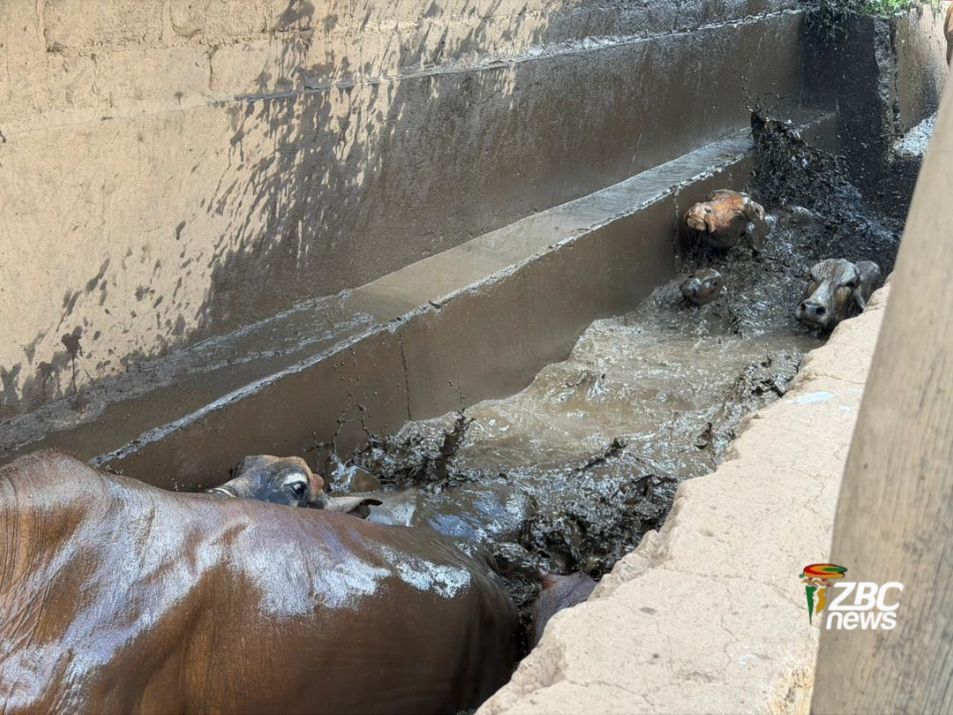
GOVERNMENT has stepped up efforts to combat tick-borne disease, commonly known as January Disease, in Matabeleland North Province, intensifying coordinated livestock health interventions in Bubi District following the death of more than 1,000 cattle.
The outbreak has raised concern in a province where livestock is not only an economic asset but a critical source of livelihood. Authorities say the disease persists largely due to non-compliance with dipping programmes rather than shortages of chemicals.
In response, government has strengthened continuous dipping cycles and rolled out awareness campaigns urging farmers to adhere strictly to established livestock health protocols. Officials have warned that non-compliance will not be tolerated.
Deputy Minister of Lands, Agriculture, Fisheries, Water and Rural Development, Honourable Davis Marapira, said 12 of the district’s 59 dip tanks have recorded cases of January Disease.
“Out of about 59 dip tanks in the district, we have about 12 that have experienced cases. In some areas within the district, it is totally absent. Being a tick-borne disease, distribution depends largely on the dipping regime and the dipping culture of communities around the different dip tanks,” he said.
“To date, the district has lost more than 1,000 cattle. We have vaccinated 5,000 out of an estimated population of 80,000 in the district. Our goal is zero tolerance for non-compliance. We have the chemicals and the expertise; what we need is the total cooperation of every farmer to ensure that the national herd in Matabeleland North remains healthy and productive,” he added.
Villagers have welcomed the intensified intervention, saying awareness meetings have helped change attitudes towards dipping.
“The awareness meetings are helping us a lot. Even those who used to ignore dipping are now participating because they see the benefits,” said one villager.
Another added: “We are happy with this programme because our cattle were dying before. Now we understand the importance of dipping, and the government is assisting us.”
The Department of Veterinary Services has adopted a multi-pronged strategy to curb the outbreak. This includes standardised weekly dipping schedules aimed at breaking the life cycle of the brown ear tick, intensive farmer education on the “5-4-4” dipping regime and the science of tick resistance, as well as firm enforcement measures against defaulters.
Authorities have also assured farmers of consistent distribution of high-efficacy acaricides to community dip tanks to ensure uninterrupted dipping cycles.
The January Disease control programme will continue across Matabeleland North as government seeks to safeguard and grow Zimbabwe’s national herd, which remains central to rural livelihoods and the broader agricultural economy.

