



Story by Fungai Jachi
ZIMBABWE constructed more than 900 schools between 2021 and 2025 under the National Development Strategy One (NDS1), marking a significant expansion of education infrastructure as the country pursues its Vision 2030 goal of becoming an upper-middle-income economy.
The programme, launched in 2021 as a five-year economic blueprint, prioritised access to education, particularly in newly established residential areas and historically underserved communities, where pupils often travelled long distances to attend school.
Minister of Primary and Secondary Education, Honourable Torerayi Moyo, said infrastructure development was a cornerstone of NDS1, driven by the need to bring learning facilities closer to communities while improving the quality of education delivery.
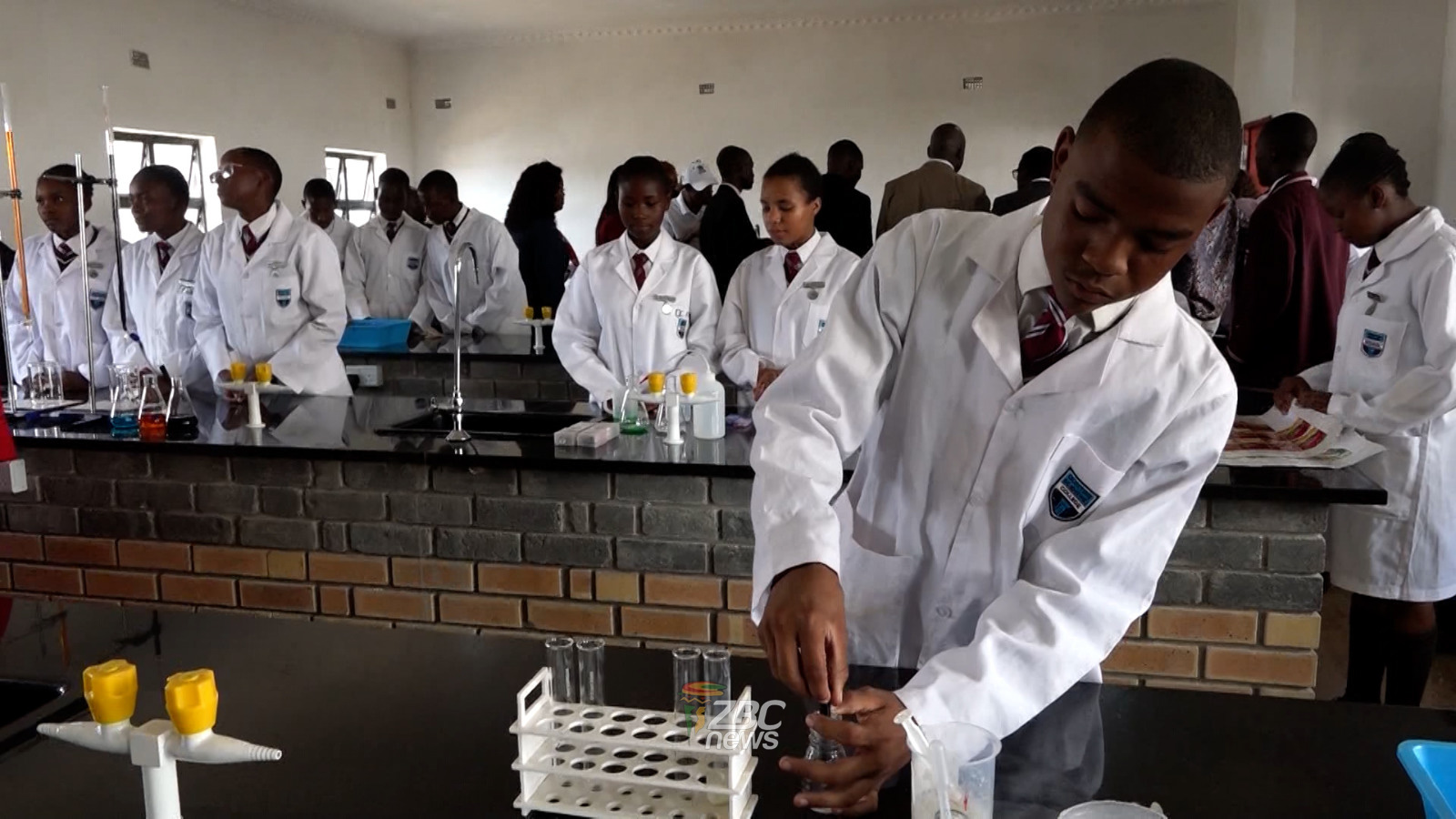
“One of the major areas we focused on was infrastructure development because we want to see more schools being constructed so that learners do not have to walk long distances to access the nearest school. Through partnerships with development partners and the church, at least 900 schools were built since 2021 and these were built in new residential areas as well as underserved areas. These schools constructed are not just classroom blocks but modern infrastructure, which has science laboratories, ICT labs and specialised facilities to improve access and quality.
Beyond bricks and mortar, the Ministry also focused on strengthening human capital and aligning education with national development priorities.
“We also prioritised teacher training, and we sent teachers for training in Russia. We also integrated technical vocational education training (TVET) and digital literacy from early stages to equip students the 21st century skills. Because we are prioritising STEM subjects, we trained specialised teachers for these subjects to meet the growing demands. We successfully introduced the Heritage-Based Curriculum, moving away from the competence-based curriculum.
As NDS1 draws to a close, government says the gains achieved will be consolidated under the National Development Strategy Two (NDS2), which places renewed emphasis on closing remaining infrastructure gaps.
“Now moving forward, the school’s deficit is still there, and we will continue to construct modern learning facilities with our target being to construct at least 150 new schools by the end of 2026,” he said.
Education reforms under NDS1 have been positioned as central to building an inclusive, skills-driven economy, addressing long-standing infrastructure shortages while reshaping the curriculum to meet contemporary and future demands.

