



Story by Tichaona Kurewa
ZIMBABWE has unveiled an intelligent, solar-powered traffic control system designed to ease congestion, enhance safety and strengthen the efficiency of the country’s rapidly modernising road network.
The innovation comes as government continues extensive rehabilitation of national roads and constructs new infrastructure, including the flagship Trabablas Interchange. The newly launched system marks a major step forward in traffic management technology.
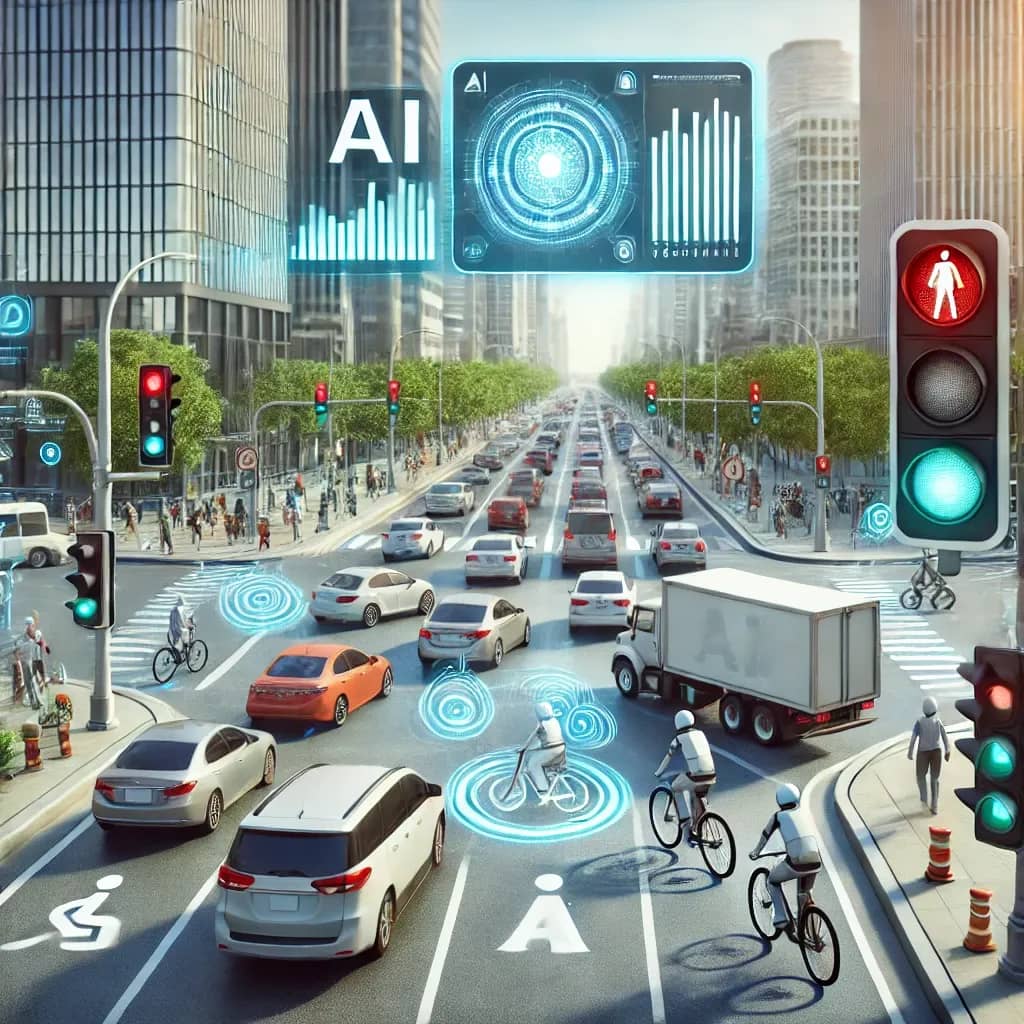
Known as the Intelligent Traffic Controller (ITC3), the locally developed device differs significantly from conventional traffic lights, which operate on fixed timing. The ITC3 instead uses artificial intelligence to learn, think and adapt to real-time traffic conditions.
Director of Global Sun Tech, Engineer Emmanuel Mungofa, said the introduction of the ITC3 represents a major advancement for Zimbabwe’s transport systems.
“Our Intelligent Traffic Controller is a major step up from normal controllers. Traditional controllers only follow a fixed programme. But the new ITC3 can learn, adapt, think and execute traffic movement according to live conditions. The ITC3 knows where traffic is heavier by using loop detectors or smart cameras. With that input, it extends the green time where there is more traffic so vehicles keep flowing and congestion is reduced,” Engineer Mungofa said.
Using smart cameras and loop detectors, the ITC3 senses traffic volume at each approach and automatically adjusts green-time allocation, allowing heavier flows to clear more efficiently.
“Using those detectors, this controller can also optimise the green times. If traffic volumes seem similar in all directions, the controller can intelligently optimise the flow to ensure smooth movement. This can happen at one intersection. If there are several intersections along a road, we can create a smart corridor where the controllers communicate, with one acting as a master and the others as subordinates,” he added.
In addition to managing traffic flow, the ITC3 is cloud-connected. Engineers can monitor performance remotely, adjust timing plans in real time and access accurate traffic data to support planning. The system can also assist motorists by directing them to alternative routes when congestion builds.

