



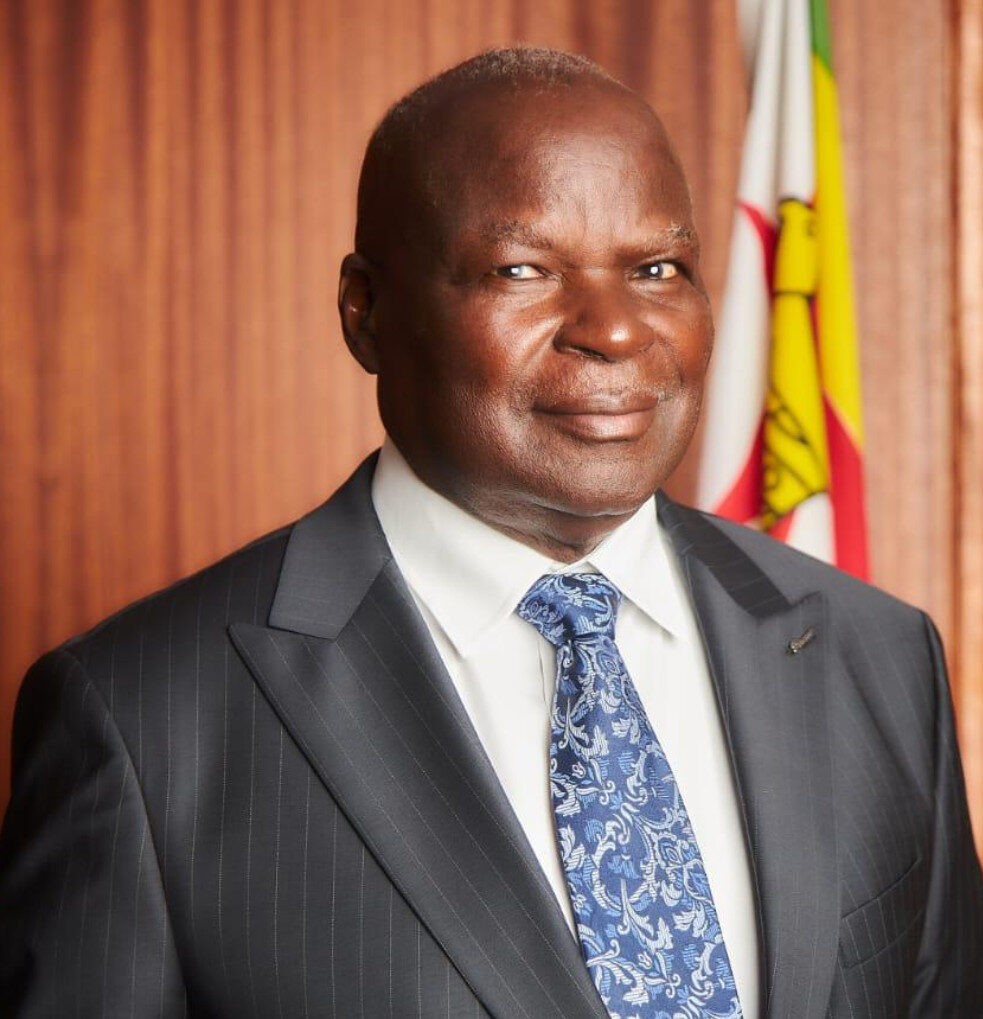
By Zimbabwe’s Minister of Energy and Power Development, Honourable July Moyo
Our compact is built on five pillars, consistent with the agreements at the Dar es Salaam Summit earlier this year. Following the summit, we ensured the compact was both accepted locally and enriched with input from the international community.
We convened a broad meeting of stakeholders, over 200 participants from the private sector, government, and development partners, to present the commitments and gather feedback.
Institutions such as the World Bank, African Development Bank, and UN system actively participated, strengthening the compact and aligning it with national priorities and global frameworks.
By March, the government formally accepted the compact for dissemination and broader consultations. In April, we engaged the World Bank during mid-term consultations, receiving valuable feedback. By June, we presented to a panel in London and again received constructive engagement. I thank all participants for their contributions, your insights continue to shape the compact’s success.
Captive Power and Economic Support
To support economic growth, we have created a window requiring large consumers to build their own captive power within two years—whether through solar or thermal solutions. Many private sector companies have already begun developing these facilities, alongside Independent Power Producers (IPPs).
We have also set aside dedicated power supply for over 21,000 hectares of wheat nationwide. This has been achieved through close coordination between the Ministry of Agriculture, utilities, and stakeholders, ensuring reliable energy for agricultural production.
Dark Cities and Household Electrification
We are addressing the challenge of “Dark Cities” housing developments long without electricity. Currently, 371 unreticulated set-ups exist.
Private players are being licensed to reticulate these areas, build infrastructure, and recover investment through our prepaid billing system. Electricity can initially be provided by other means, while grid expansion occurs later.
We have also piloted bank-financed community projects successfully, showing that government, private sector, and financial institutions can collaborate to bring power to households that have long been in the dark.
Regulatory Support for Renewable Energy
As the regulator, we facilitate sector growth. Developers are allowed to import equipment and components for projects, with tax exemptions, VAT deferments, and national project status for renewable energy initiatives.
License fees for renewable technologies have been significantly reduced, and the Government Implementation Support Agreement ensures that if an off-taker fails to meet obligations, the government steps in. This gives developers the confidence to invest and expand the sector.
Project Financing and Investment
Our large projects use diverse financing models:
Hydro power station extension ($350 million) financed through a concessional loan.
Hwange 670 MW expansion, commissioned in 2023 at over $1 billion, executed through a TPP model, with 54% government equity and 46% partner equity, raising about $300 million toward our equity.
Captive power and IPPs use their own financing, diversifying investment in the sector.
The total investment required is $9.13 billion, with $4 billion sought from partners and stakeholders to support implementation.
Conclusion
Distinguished guests, the National Energy Compact of Zimbabwe is more than a policy—it is a blueprint for energy security, economic growth, and social progress. It demonstrates the power of government, private sector, and international partnerships.
We invite investors, financiers, and development partners to join us as we light up Zimbabwe, strengthen Southern Africa’s energy landscape, and create a brighter, sustainable future for all.

