



Story by Tichaona Kurewa
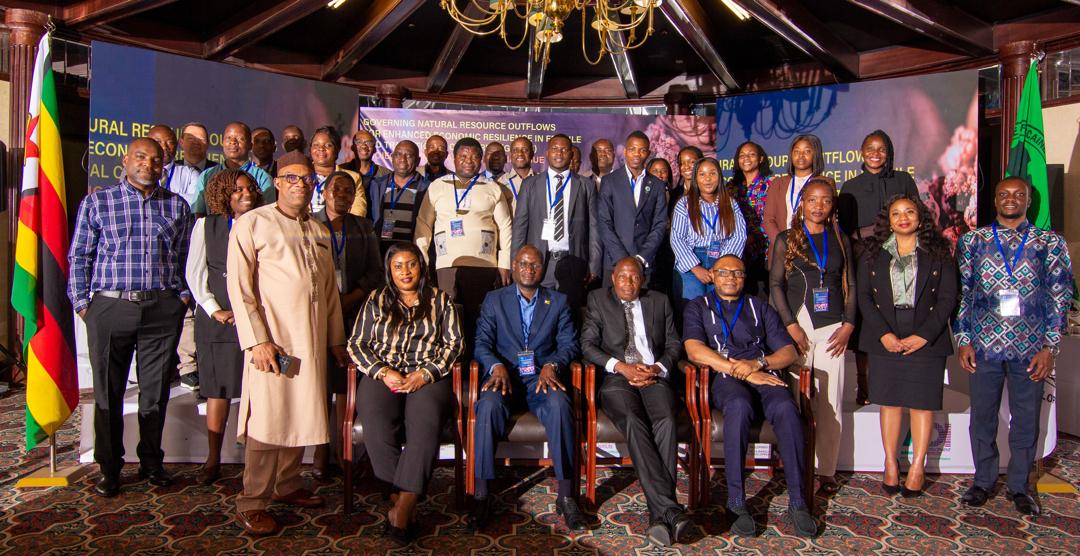
THE Governing Natural Resource Outflows for Enhanced Economic Resilience in Fragile and Transitional Countries (GONAT) training programme kicked-off in Victoria Falls this Wednesday.
The initiative is expected to play a critical role in informing the crafting and implementation of Zimbabwe’s National Development Strategy 2 (NDS2).
The GONAT project, funded by the African Development Bank through the Transition Support Facility, aims to enhance economic resilience by strengthening domestic resource mobilisation and improving debt management in fragile and transitional countries.
The Zimbabwe training marks the fifth cohort in a six-country series, after successful sessions in the Central African Republic, Chad, Mozambique and Sierra Leone.
Each session has reportedly laid a solid foundation, and Zimbabwe is optimistic it will reap similar benefits.
“As we develop our NDS2, it is government’s thrust to devise innovative solutions to tackle challenges in the environmental sector. GONAT is providing that critical platform for developing and strengthening innovative approaches and collaboration in managing natural resource outflows,” the Director for Environment in the Ministry of Environment, Climate and Wildlife, Mr Edward Samuriwo noted.
The training programme is targeting officials from various government ministries and departments.
Regional cooperation was also highlighted as a vital ingredient in tackling illicit financial flows and enhancing resource governance.
“I wish to emphasise that addressing illicit financial flows can only be achieved through joint action. No single country, government, or institution can tackle this challenge alone. Strong alliances among governments, regional bodies, the private sector, and development partners are indispensable. This training not only builds capacity, but also serves as a rallying point for cooperation to safeguard Africa’s resources for generations to come,” African Development Bank’s Chief Capacity Development Officer, Dr Adeleke Salami said.
Africa is home to nearly 30% of the world’s mineral reserves, including cobalt, diamonds, platinum, uranium and vast gold deposits.

