



Story by Abigirl Tembo, Health Editor
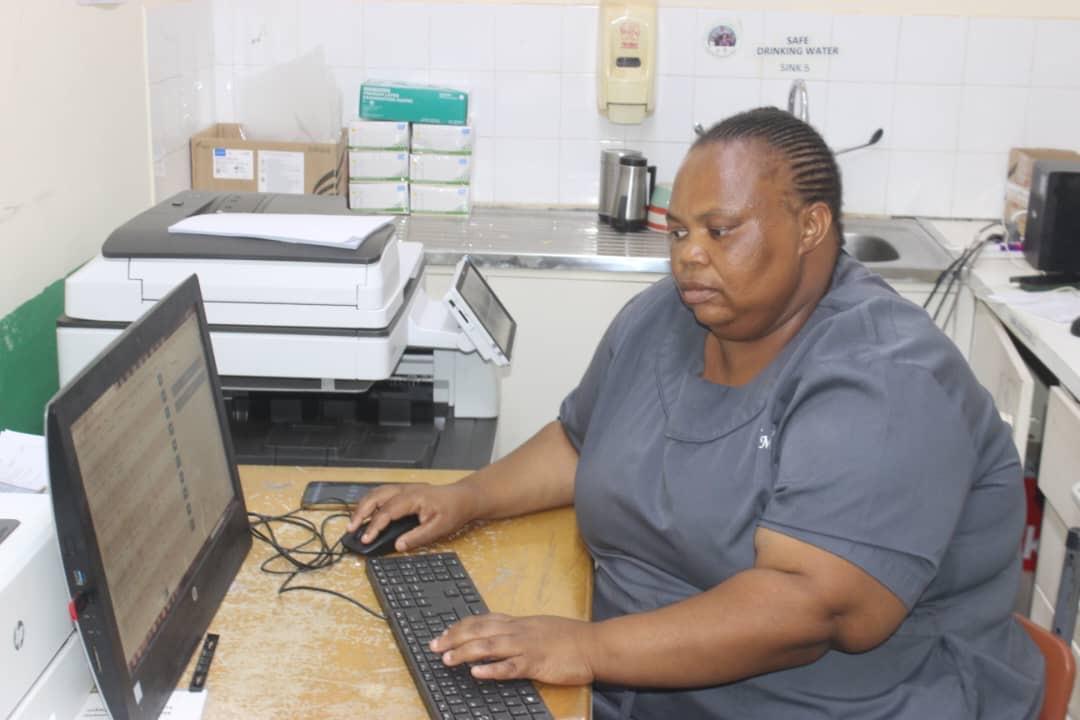
Zimbabwe’s healthcare sector has significantly leapfrogged, with over one thousand healthcare facilities now embracing digital health technologies to transform the delivery of health provision countrywide.
The Impilo Electronic Health Records (EHR) system, which was piloted in Uzumba Maramba Pfungwe District in 2016, is now available in over 1 100 health centres countrywide.
According to the Deputy Director of Health Informatics and Data Analytics, Dr Robert Gongora, government is committed to expanding digital health services to all health care facilities.
A key benefit of the EHR system is that patients’ records can now follow them as they move from one healthcare facility to another.
“If a person moves from one health care facility to another, their records should follow them. Of course, it’s a transition because the faster we roll out internet connectivity, the faster your record will move with you. But we have already developed applications that will also enable for the first time the patient to have their personal health record on their phone, if they have a smartphone and keep it on their phone. We also want to replace the patient booklet because if your record is now electronic, you can also move with it. So we are also going to ride on the connectivity that’s coming to offer telehealth.
“There is a platform that I think it was spoken about yesterday. It’s called Impilo Engage. So, Engage will enable you to, if you are a patient, look for a health service provider, a doctor, a nurse, a pharmacist and book an appointment or get your prescription filled. And you can even order someone to deliver it to you. And the other thing is you should be able to book an appointment, have a virtual consult with a doctor. We are confident that because of that, a lower health facility should be able to call the district and say, I have a patient here, I need assistance. The doctor here doesn’t need to go to Tsokodeka. The ambulance doesn’t need to drive all the way so they can bring the patient. The doctor can just dispense some advice over video. So all of that is becoming increasingly possible,” he explained.
Mashonaland East has been at the forefront of the digital healthcare journey, with nearly all health facilities in the province now using the electronic health records system.
Mashonaland East Provincial Medical Director, Dr Paul Matsvimbo said, “This is a province which has pioneered the journey of electronic health records, which started in 2016 in the UMP district. So we have rolled these electronic health records to other four districts in the province, which include Goromonzi district, Seke district, Murehwa district and Marondera district. So we have a total of five districts that are implementing the electronic health records. So healthcare workers in all these districts have been trained to utilise the electronic health records. What we have also realised or benefited from the electronic health records is the improvement in terms of quality of care or adherence to set standards.”
He added, “When a health care worker, you know, inputs certain symptoms. They are assisted by the system to conduct certain standard investigations so that they can fully explore the problems and challenges that one patient is experiencing. So this in itself enables the health workers to adhere to a certain standard of care, both diagnostics and treatment, so that we can have the best possible outcomes to the patients that we are seeing. But generally our expectation is that when we digitise this experience between the exchange between a patient and a health provider, we are also going to realise a benefit of reduced waiting time because there would also be some time spent time recording during or after the patient, you know, has gone. So we are also conceptualising that in itself, you know, a reduction of waiting time is also an indicator to do with quality of care and improve client satisfaction. And analysis generally of data or follow through of certain outcomes. The EHR will enable practitioners and healthcare workers to follow through and understand the outcomes of their patients and so that they can also identify any areas of suboptimal care or any areas of best practices in terms of their care providers.”
UMP district pharmacist, Ms Chenai Kamudyariwa also weighed in, “So when we receive our goods, we enter in the EHR system, and then we update everything that is in the stores using EHR. So when they come to order, we dispense through the system. The system is meant in such a way that it gives us the average monthly consumption in terms of medication and it also shows us the minimum and maximum order. So when we reach the minimum order, it reflects that we are now below the minimum order. And when we reach the emergence order point, that’s one month of stock, it also reflects that we are now below the emergence order. The system has lessened our workload like when we are dispensing we don’t have to check like using the books to flip around to check the last like the last date the person came for ordering of medicine. So it prevents dual or multiple dispensing. Once you open the system, it tells you this person came this month, this person came last week, so if the person comes in and says they lost their books or they lost their records, we’ll check in the system and then it will tell us no, we gave this person three months’ supply, so the person is due to collect their medical supplies maybe next month. Then we’ll notify them that you’ll be due next month.”
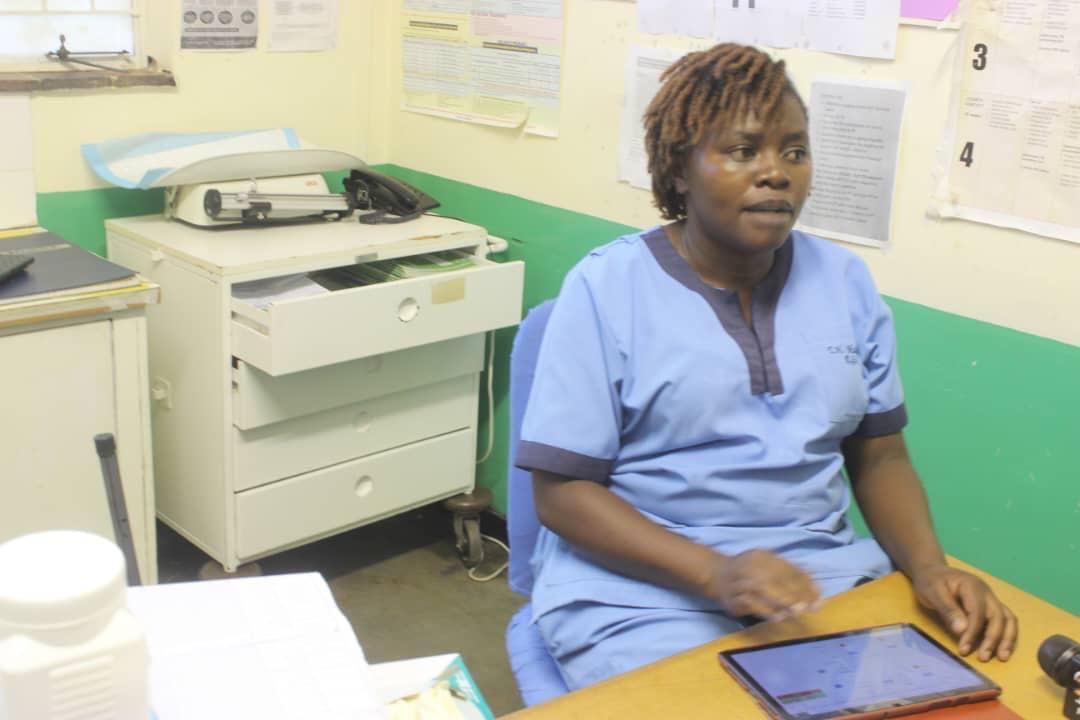
The system will also help in monitoring pregnant mothers.
“EHR helps us because we can track the patient‘s records if it’s a pregnant patient, we can monitor her pregnancy and the child‘s development. If it’s a child, it shows us where the child is and what vaccine to administer. It also lessens our workload because everything will be in the system,” family child health specialist, Sister Tatenda Mudanda said.
Zimbabwe’s digital healthcare programme is poised to revolutionise the country’s healthcare landscape, making quality medical care more accessible and efficient.
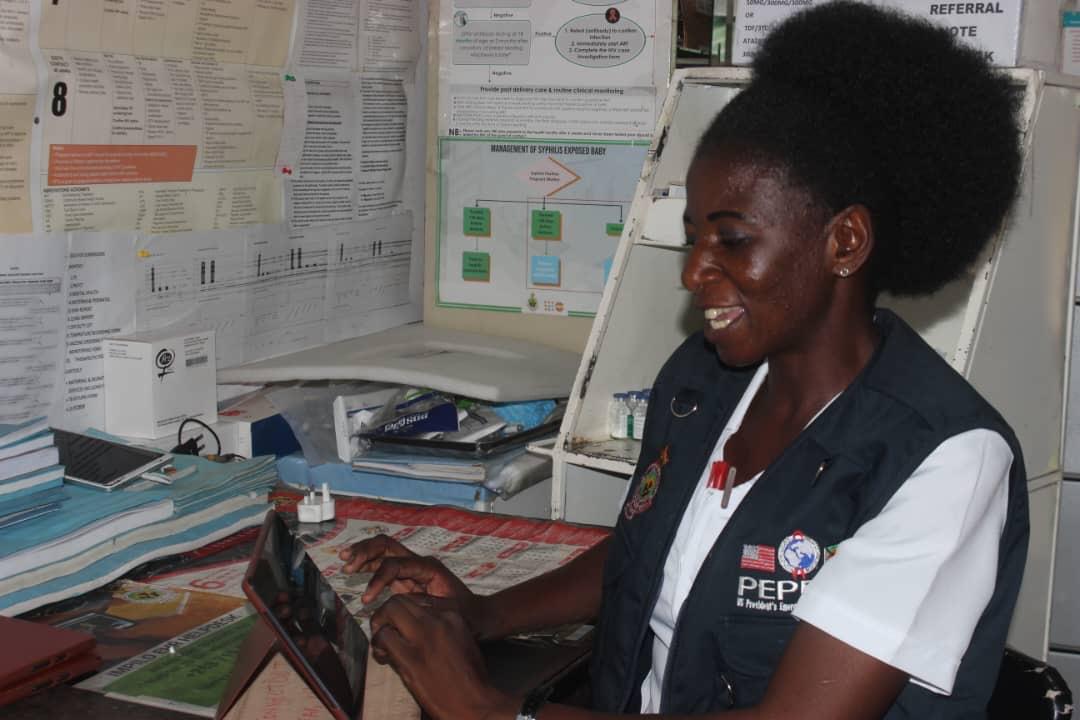
With over 1 100 healthcare facilities now leveraging digital health technologies, patients will benefit from reduced travel times and improved service delivery.
Government’s development of telehealth applications enabling virtual consultations with doctors further enhances the programme’s impact, promising a transformative shift in the way healthcare services are delivered nationwide.

