



Story by Wellington Makonese
THE Government in collaboration with development partners, is set to review taxation and other regulatory frameworks that may hinder the growth of women-led Small to Medium Enterprises (SMEs).
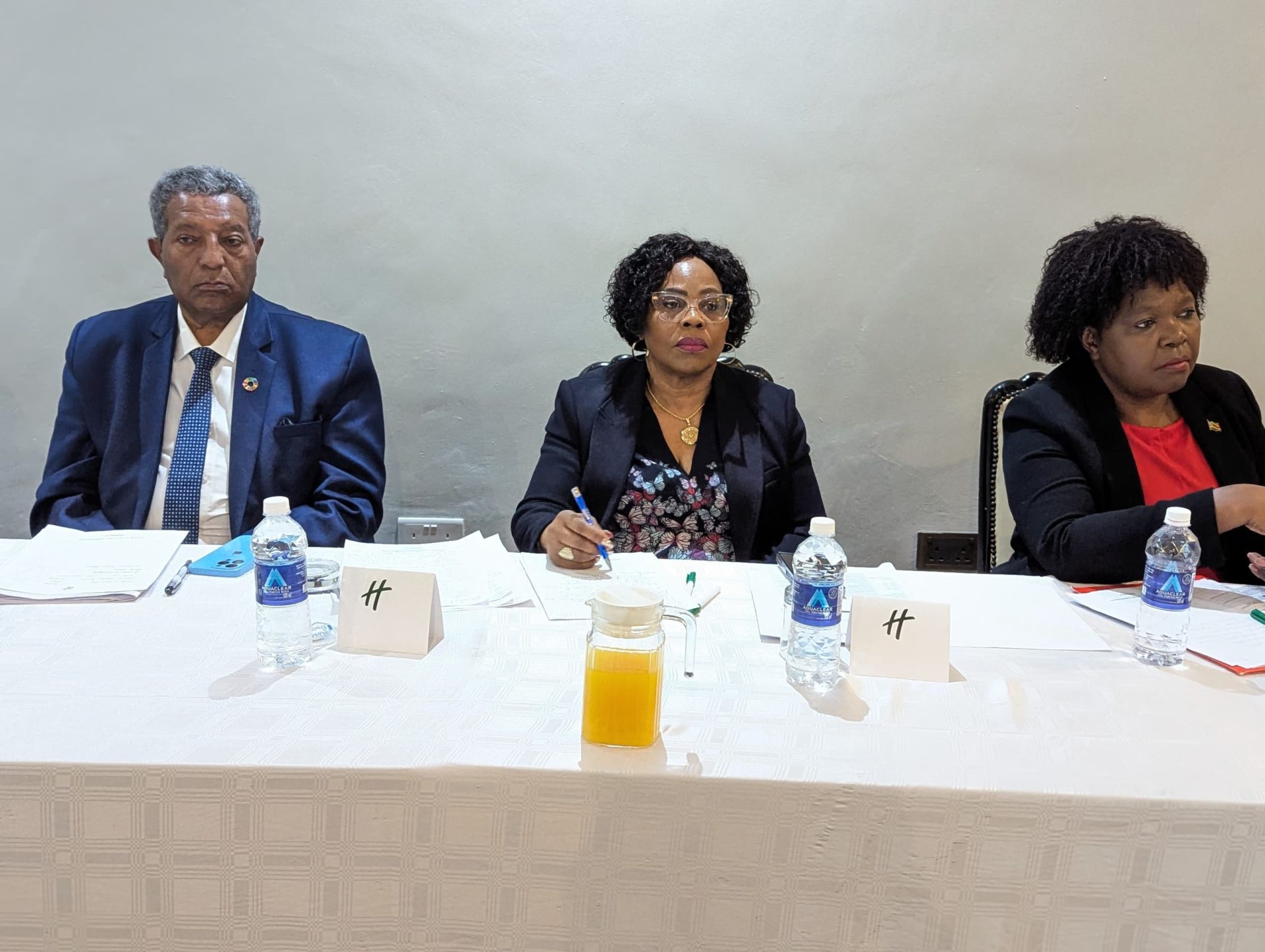
This follows a multi-stakeholder dialogue hosted by the Ministry of Information, Publicity and Broadcasting Services in partnership with the United Nations Development Programme (UNDP) at the Zimbabwe International Trade Fair (ZITF) in Bulawayo.
Deliberations focused on taxation and policy reform to enhance the capacity of SMEs, particularly those led by women, to grow beyond their current 60% contribution to the national Gross Domestic Product (GDP).
This is being done to ensure Small to medium enterprises go beyond their current 60% contribution to the country’s Gross Domestic Product with women constituting the largest population.
“We want to remove compartments around the business, so we brought in ministries and all, who are going to look at barriers we have. We are looking at our fiscal policies, the identify barriers and rectify them,” the Minister of Women Affairs, Small to Medium Enterprises Development, Senator Monica Mutsvangwa said.
There is a consensus that taxation has to be looked at on different levels from SMEs to established enterprises.
“The progress has been made in segmenting processes for women in businesses, the cost of regulation has been high, there is an intersection in terms of sizes of enterprises, and there are policy interactions to ensure the peculiar circumstances are looked at. We are glad that the various ministries are here to look into that, but we need to align to the fact that women-led businesses have to let off in terms of some taxes as they grow,” Confederation of Zimbabwe Industries (CZI), CEO, Ms Sekai Kuvarika said.
“The SMEs are a key pillar with limited funds, we have been working with the Ministry of Women Affairs, Industry, and Finance to look at how they can be best assisted particularly on reducing tax and bringing more revenue,” National Coordinator Tax for SDGs, UNDP, Mr Melusi Tshuma said.
The platform presented an opportunity for women in business to air their concerns and what could be cemented here may lead to a collective position in terms of policy direction.

