



Story by Oleen Ndori
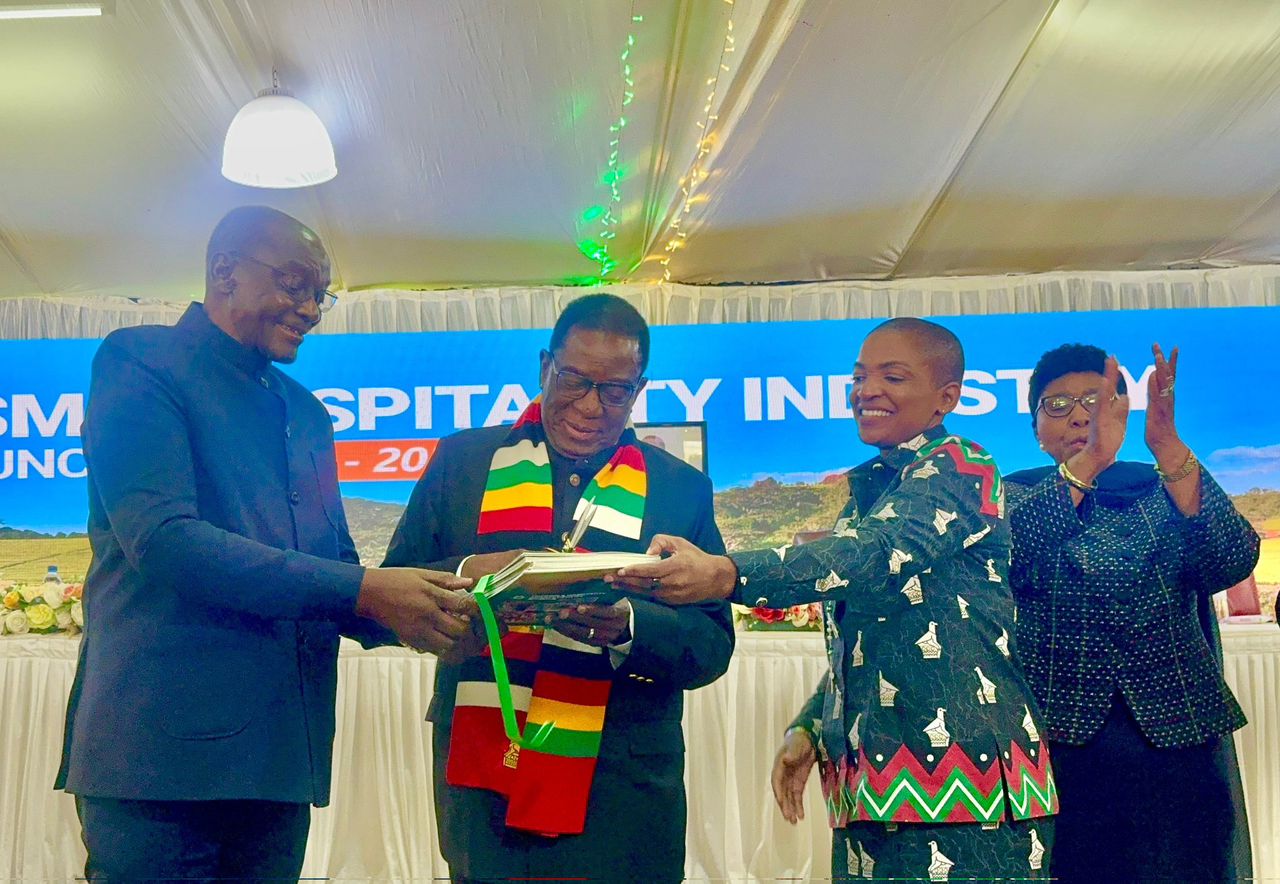
HARARE – TOURISM players say the future is bright for the country, with the just-launched Tourism and Hospitality Industry Policy set to direct investments into the sector.
Spanning six main priority areas that include human capital development, digital infrastructure, innovative frameworks to accelerate tourism and hospitality industry among others, the Tourism and Hospitality Industry Policy set to run from 2025 to 2030, focuses on improving tourism infrastructure along with streamlining regulatory processes to attract investors in the tourism sector.
Players in the sector are equally excited about the potential presented by the policy.
“We are looking forward to achieving more in the tourism sector, and we are ready to put the policy into action and deliver towards the economic growth of the country as we journey towards 2030,” tourism expert, Dr Emmanuel Fundira said.
“As an industry, this policy is a step in the right direction. It unpacks our forward thinking and vision for Zimbabwe and our tourist destination sites like the Victoria Falls,” Tourism Business Council of Zimbabwe’s president, Mr Clive Chinwada noted.
The Minister of Tourism and Hospitality Industry, Honourable Barbra Rwodzi, says the policy will drive the sector in contributing towards the envisioned US$44 billion Gross Domestic Product.
“Starting from now, as we launch our policy, we have a number of strategies that are going to be directed by the policy to be transformed into strategies so that we can achieve that goal by 2030. ICT is at play across the world, with artificial intelligence playing a big role. We want to ensure that our tourism industry gets into this innovation landscape that is coming across. AI is playing a big role in tourism, and we have best-in-class practices that we want to tap into and ensure we apply in our country,” she said.
“We now want to introduce strategies that ensure that customer service at every point of tourism is seamless. Whether it is at the borders, at the airports, in our facilities, accommodation, restaurant, or activities that our tourists will go through. Human resources, sports tourism and finance infrastructure are also very key. Yes, the government has its own strategies through the treasury to ensure that we feed into our infrastructure.
“It is another objective to increase the infrastructure of tourism in the country, particularly for MICE tourism. We want to ensure that we have a whole-of-government and a whole-of-society approach in this. Working with our business industry for tourism, we want to work together with them to ensure the growth of our tourism sector.”
Minister Rwodzi says the policy is a guiding map towards Zimbabwe achieving its vision of becoming a premier tourist destination.
“The last on our objectives is integration with international and regional. As you have seen what we are doing in Osaka, apparently we thought we are learning, but we are leading, particularly in the African countries that are participating. People are using the initiatives of the ICT, as we have said, to view our country as if they were already in Zimbabwe.
“Our stand is being visited by average 4 500 people every day, which is beating several stands in Osaka. It means people have so much interest in Zimbabwe. Once you mention Victoria Falls, it is a seller for us, and people want to come and experience Victoria Falls. Integration with regions and internationally is helping us in knowing the new trends and in knowing how best we can attract and market our destinations in Zimbabwe.”
Statistics indicate the country has received increased visitors from countries such as China and Europe, with the policy aiming to deliver a responsive and innovative tourism and hospitality industry that promotes culture, heritage and community participation.

