



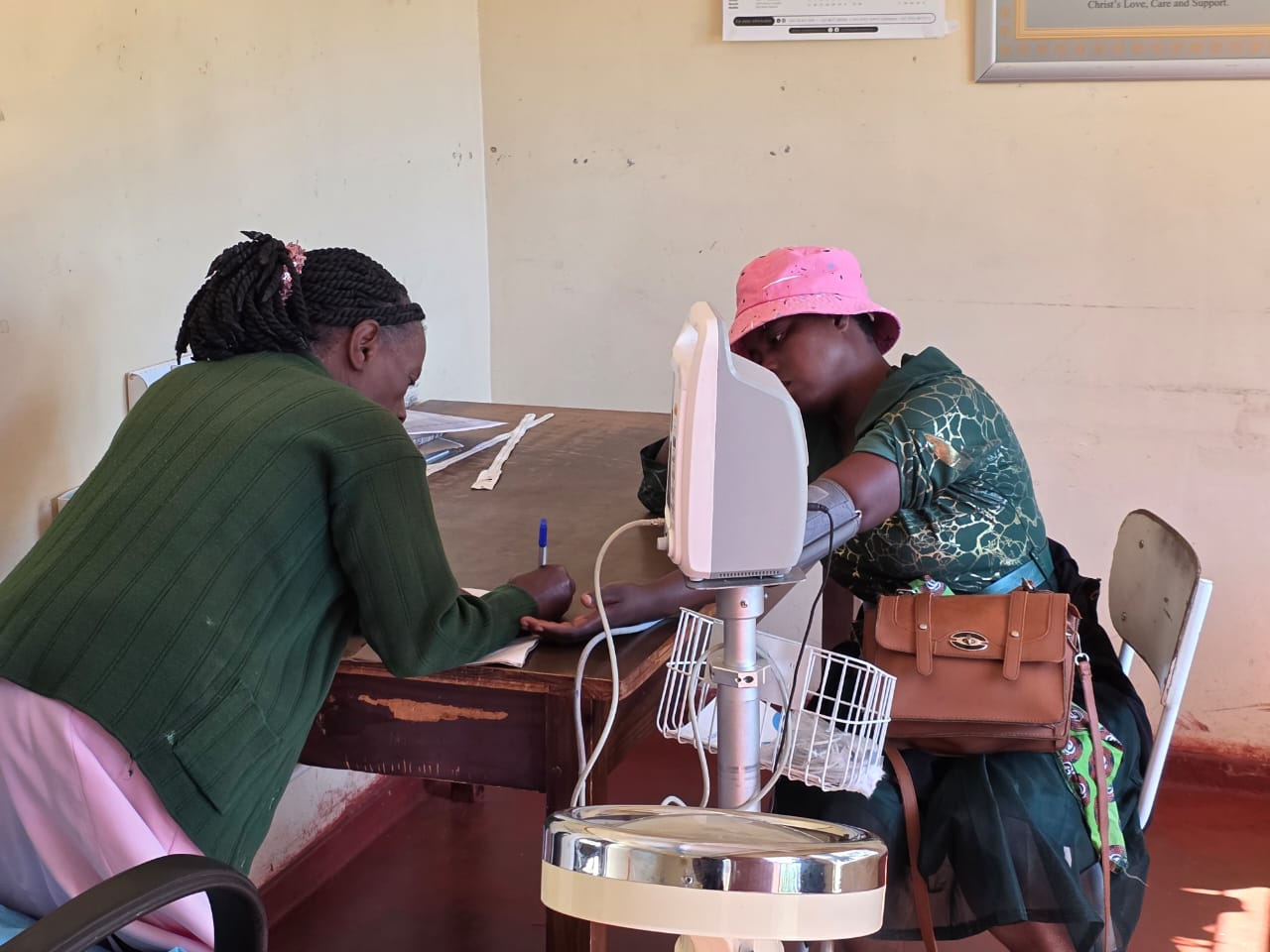
Story by Abigirl Tembo, Health Editor
FROM solar-powered clinics to modern pharmacy infrastructure and improved access to life-saving medicines, Zimbabwe’s rural healthcare transformation is drawing admiration across the continent, with eight African nations keen to adopt the country’s model under the COVID-19 Response Mechanism programme.
Zimbabwe’s healthcare delivery system is undergoing a major transformation through the partnership between Government, the Global Fund and the United Nations Development Programme (UNDP) under the COVID-19 Response Mechanism programme, an initiative that is strengthening health infrastructure, improving access to medicines, expanding clean water supplies and powering rural clinics through sustainable energy solutions.
In the Midlands Province, the impact of the programme is now visible, with upgraded pharmaceutical facilities improving medicine storage capacity and enhancing the availability of essential drugs, a development health authorities say is strengthening service delivery and improving patient care.
“Our catchment population is 11 525. The services we offer here range from maternal healthcare to treatment of general ailments, and they are provided free of charge. On average, we receive around 2 000 patients. The solar system is helping us a lot because it serves as a backup, especially now that we have implemented the electronic health records system, Impilo. The solar system ensures that we remain online 24 hours a day as we treat our patients.
“It is also greatly assisting us in the maternity ward, especially during electrical faults or blackouts, while our vaccines are kept safe in refrigerated storage. The pharmacy that was constructed is also helping greatly because it is equipped with air conditioning, ensuring that medicines are kept at the appropriate temperatures. The borehole also ensures that we have water 24/7, even during dry periods,” Sister-in-charge at Lower Gwelo Clinic, Sister Ever Tendai Sithole said.
Nationwide, the programme has delivered 327 modern pharmacy stores, improved diagnostic facilities and strengthened supply chain management systems to reduce stock losses and improve efficiency across the public health sector.
The initiative has also seen more than 215 health facilities connected to solar power, while over 400 boreholes have been sunk countrywide, ensuring uninterrupted electricity and clean water supplies at clinics.
Patients and community members say the interventions are improving access to healthcare services, reducing referral challenges and restoring confidence in local health institutions.
“Over the last two years, we have seen a lot of great improvements here at our clinic and we are truly grateful to government and its partners for the wonderful work they are doing here at our clinic,” a community member said.
“This borehole has ensured that we have water 24/7. We used to struggle a lot when we came to the clinic for maternity booking, especially during the dry periods, but now the water is right at our doorstop and it is a great advantage,” another added.
“Ever since this pharmacy was built, medication is now readily available because the pharmacy store, which was built, is big and accommodates a lot of medicine.”
UNDP Zimbabwe Resident Representative, Ayodele Odusola says the partnership has evolved from an emergency COVID-19 response into a long-term healthcare strengthening programme that is now attracting international interest.
“My joy is that I go to all the provinces and districts in this country and realise that this partnership is touching the lives of communities everywhere. The beauty of it is that no matter how remote the place is, communities that never imagined they would have boreholes or electricity are now benefiting through these clinic interventions.
“The kind of facilities we have here are highly commendable. Eight countries are planning understudy visits to Zimbabwe to see how the solar-for-health initiative is being implemented because they know such progress has not yet been achieved in their respective countries. Countries such as Nigeria, Mozambique and Malawi want to come and learn from Zimbabwe.”
As Zimbabwe continues to strengthen its healthcare delivery systems through strategic partnerships, the collaboration between Government, the Global Fund and UNDP is emerging as a model worth emulating, not only for its impact on communities, but for demonstrating how sustainable investments can transform public healthcare and accelerate the country’s Vision 2030 aspirations.

