



Story by Bruce Chahwanda, Political Editor
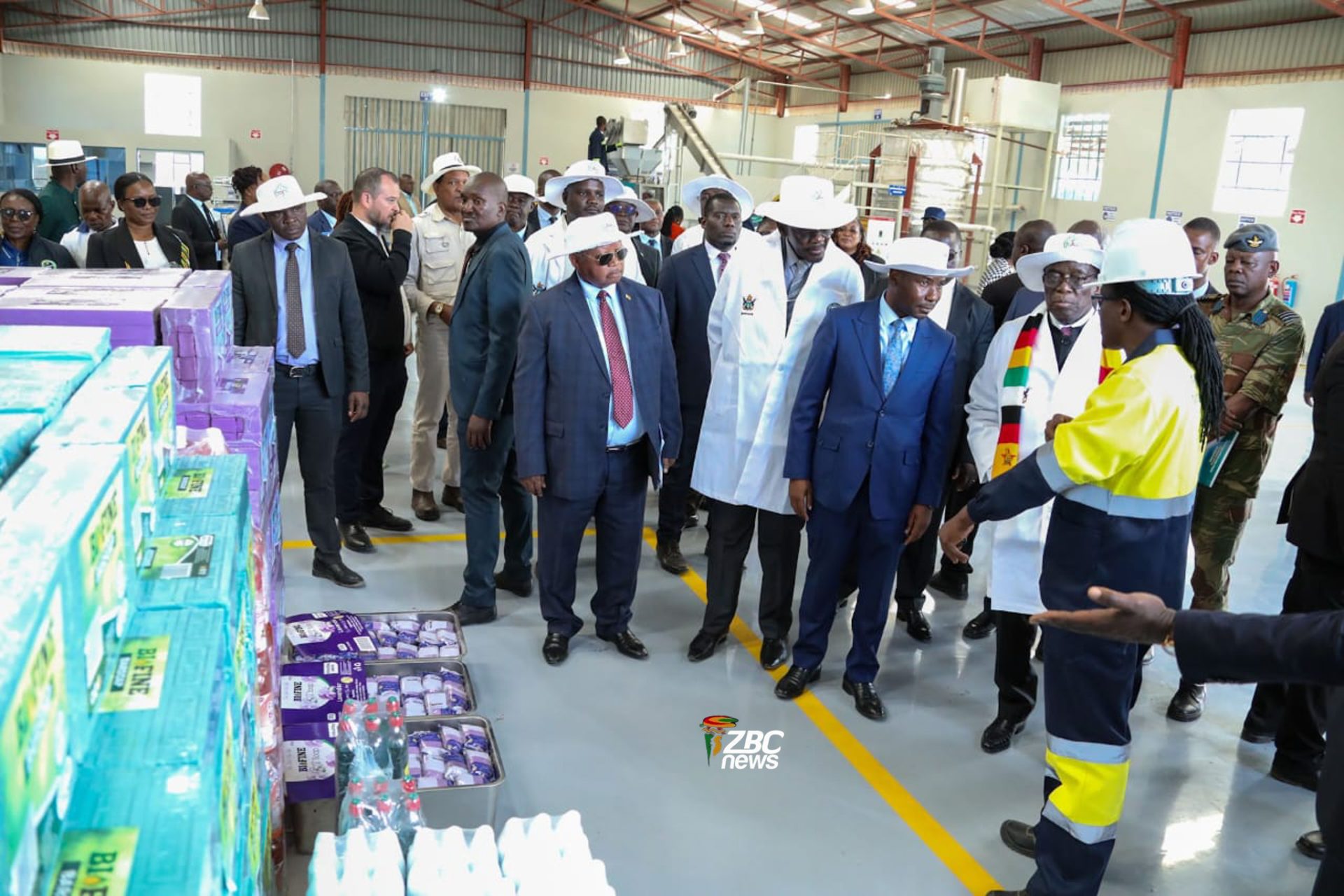
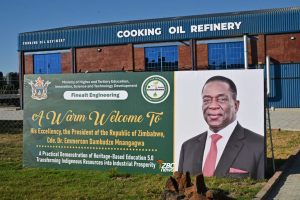
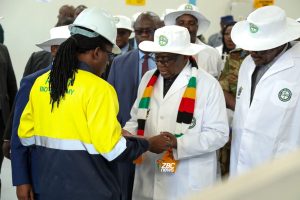
HERITAGE-BASED Education 5.0 is enabling Zimbabwe to build a knowledge-based economy driven by its own people, President Dr Emmerson Mnangagwa said on Thursday as he officially opened the Finealt Engineering Mutoko Bio-Economy Industrial Park, describing the facility as another milestone in the country’s rural industrialisation drive.
Addressing the commissioning ceremony in Mutoko, the President said the country’s education reforms were transforming research and innovation into industries capable of creating jobs, boosting production and accelerating economic growth.
“The Heritage-Based Education 5.0 is enabling our great motherland to build a knowledge-based economy, driven by our own people,” President Mnangagwa said.
He said the industrial park demonstrated the practical results of Zimbabwe’s investment in science, technology, innovation and quality education.
“It is pleasing that as we press on towards Vision 2030, this innovation-driven academic revolution remains the bedrock of our long-term strategy towards lifting many of our people out of poverty into prosperity,” he said.
Describing the project as another landmark achievement, President Mnangagwa said the facility reflected Zimbabwe’s continued progress towards rural industrialisation and sustainable economic development.
“Facilities such as this one are now dotted in various parts of the country. They have become centres for independent innovation, where knowledge generates scientific research as the driving force of our ongoing industrial development agenda,” he said.
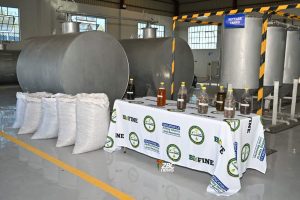
The Mutoko Bio-Economy Industrial Park has been designed as an integrated industrial complex that will house a cooking oil plant, soap manufacturing plant, biodiesel refinery, stock-feed plant and milling facilities, while land has also been set aside for manufacturing infrastructure and agricultural research.
President Mnangagwa said the project would strengthen local production, reduce imports and improve national self-sufficiency.
“The unveiling of this project comes at the right time in our nation and will help enhance local production and self-sufficiency as well as aid in the import substitution thrust,” he said.
The cooking oil plant is expected to produce close to 1.8 million litres annually, while glycerine generated during production will support the manufacture of soap, detergents and other products for both domestic and export markets.
The President said empowering rural communities through value addition, increased productivity and industrial development remained central to Government policy.
“The power of economic empowerment, especially for those in rural areas, is directly in the hands of our citizens. Employment creation through increased production and productivity as well as value chain development will continue to be core priority areas,” he said.
Looking ahead, President Mnangagwa said sunflower cake from future phases of the project would support the livestock sector, while biodiesel produced from locally grown jatropha and castor plants would contribute to Zimbabwe’s energy security.
He urged responsible ministries and private sector partners to ensure the biodiesel plant delivers meaningful contributions towards meeting the country’s fuel requirements.
“I challenge the responsible Ministries to work with relevant stakeholders, including the private sector, to ensure that the plant makes the much-needed contributions to meet our fuel demands,” he said.

