



Story by Yolanda Moyo
ZIMBABWE is on course to hold its first public examinations under the Heritage-Based Curriculum (HBC) in 2026, marking a major milestone in the country’s education reforms aimed at equipping learners with practical skills and innovation in line with Vision 2030.
The Heritage-Based Curriculum places greater emphasis on technical and vocational education, agriculture, information and communication technology, entrepreneurship and innovation alongside academic learning to support industrialisation and national development.
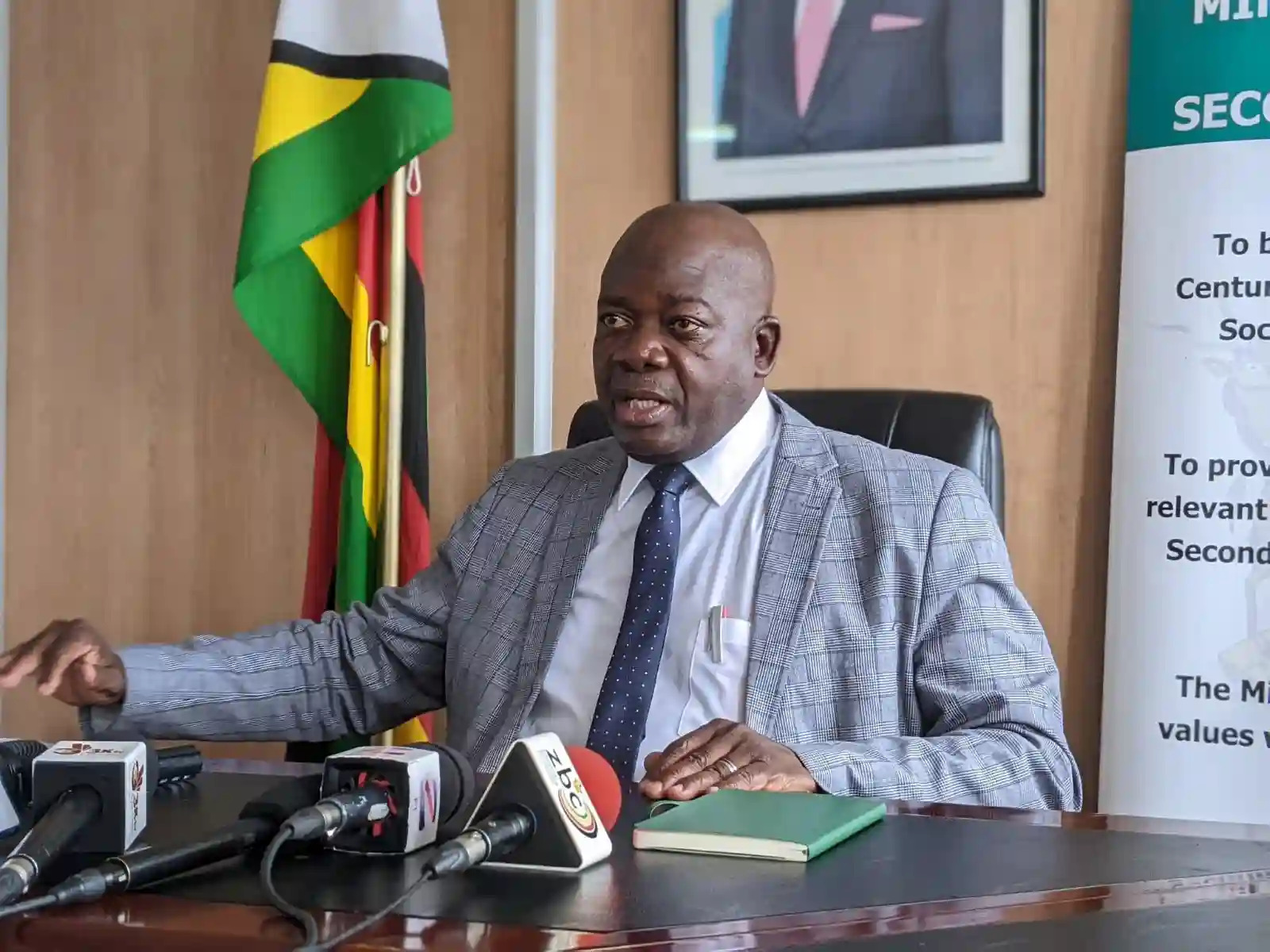
The reforms dominated discussions at the National Association of Secondary School Heads (NASH) conference in Victoria Falls, where the Minister of Primary and Secondary Education, Honourable Torerai Moyo outlined progress in implementing the new curriculum.
“The year 2026 marks a defining milestone in the history of education in Zimbabwe, as our candidates sit the first public examinations under the Heritage-Based Curriculum. Their performance will stand as a testament to our collective commitment and preparedness,” he said.
The minister urged school heads to ensure candidates receive adequate academic support and stressed that no learner should be excluded from school because of unpaid fees.
“No learner should be sent away from school, particularly on account of non-payment of school fees. Every child has a constitutional right to education,” he said.
Honourable Moyo also said all schools will be required to adopt the Heritage-Based Curriculum from next year.
“Starting next year, all the schools in this country should adopt the Heritage-Based Curriculum, which is aligned with the national vision of the President. Whoever decides not to… we’ll close the school. The curriculum is determined by the ruling government,” he said.
National Association of Secondary School Heads president, Mr Cephas Mutunhu said schools are ready for the first examinations but called for greater investment in learning resources and teacher development.
“We are confident that our children are ready for the first examination, though the first session has its own challenges. Resources and literature for the Heritage-Based Curriculum must be available and affordable. Schools must also be empowered with computers and Wi-Fi, while teacher professional development should be accelerated,” he said.
The education sector continues to align its reforms with the National Development Strategy 2 (NDS2) through increased investment in infrastructure, digital technologies and practical skills development.
Under the new approach, schools will increasingly be assessed on their ability to develop innovation and practical competencies, with technical education, agriculture and information and communication technology receiving equal recognition alongside conventional academic achievement.
The Ministry also announced that performance incentives for outstanding schools will increase from US$450 000 this year to a targeted US$1 million next year.

