



Story by Owen Mandovha
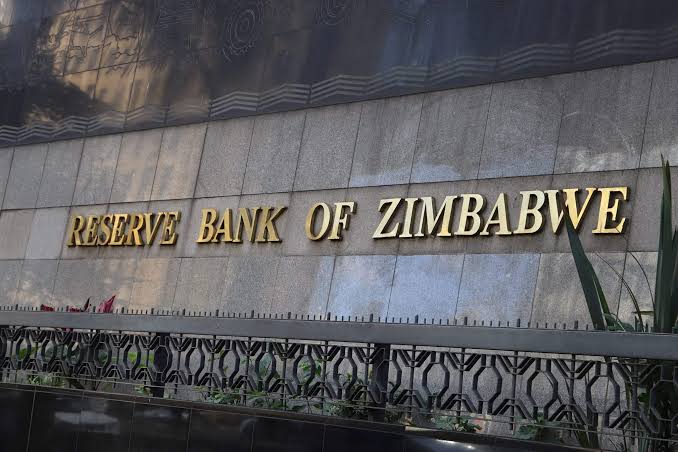
THE Reserve Bank of Zimbabwe (RBZ) has launched the Schools Monetary Policy Challenge, a national competition designed to promote financial literacy and economic awareness among learners while selecting the country’s first junior central bank governor.
The initiative aims to equip learners with knowledge of monetary policy and the financial system to support Zimbabwe’s long-term economic growth and development.
Launching the competition at a belated event in Harare, Reserve Bank of Zimbabwe Governor Dr John Mushayavanhu said the challenge builds on the country’s improving macroeconomic environment.
“This challenge comes at a time when the RBZ has presided over a stable macroeconomic environment characterised by low inflation. The RBZ’s introduction of the ZiG currency in 2024 was an important episode in Zimbabwe’s monetary policy history. Hence, we are launching this challenge to harness some of these gains.”
The RBZ is partnering the Ministry of Primary and Secondary Education, with the competition carrying a ZiG10 million sponsorship.
Minister of Primary and Secondary Education Honourable Torerai Moyo said the initiative would strengthen financial education in line with Vision 2030.
“This is a necessary schools competition that will drive the country’s economic discourse on Vision 2030 forward. As we aspire to create an upper middle-income society by 2030, a generation of financially educated people is required to drive that narrative.”
RBZ Chief of Staff Dr Morris Mpofu said the competition will be held from district to national level, culminating in the appointment of a junior leadership team for the central bank.
“The participating schools will battle it out from the district, provincial to national level, whereby questions on various aspects of the monetary policy will be asked of teams. The final competition will see the selection of the junior governor and their two deputies.”
The initiative is expected to enhance understanding of monetary policy, central banking and the financial system among learners while fostering informed participation in Zimbabwe’s economic development.

