



Story by Josephine Mugiyo, Diplomatic Correspondent
ZIMBABWE’S agricultural sector has defied the odds in the wake of illegal economic sanctions imposed on the country by the West, with the bedrock of the country’s economy making significant strides under the Second Republic.
ZBC News delves into the innovations and strategies that have fueled this growth, showcasing the resilience and determination of Zimbabwe’s agricultural sector in the face of adversity
The story of Zimbabwe’s agriculture sector has emerged as a remarkable tale of determination and resilience under the shackles of illegal economic sanctions imposed by the United States and its Western allies at the turn of the millennium.
As Zimbabwe and the Southern African Development Community amplify calls for the lifting of the illegal embargo through the SADC anti-sanctions day this Friday, it is critical to note that the second republic has put in place effective sanctions-busting measures.
One of the sectors that have recorded significant growth is agriculture where there are various initiatives to boost production and productivity despite a lack of credit lines from beyond the country’s borders
The Minister of Lands, Agriculture, Fisheries, Water and Rural Development Dr Anxious Masuka says his ministry is cognizant of the negative impact of the illegal embargo on the country’s food security, hence the need to find strategies to work around them.
“The first thing was the philosophical aspect of sanctions to realise that Zimbabwe needed to make progress despite the sanctions. So, the agricultural sector has been envisioned to see sanctions as a given We are saying sanctions will be with us, but we must develop the agriculture sector. We then looked at how we are going to rapidly transform the agriculture sector and looked at and we looked at bringing all sectors on board and liberalise markets putting a policy pronouncement that 40% of the agriculture sector must come to the private sector,” he said
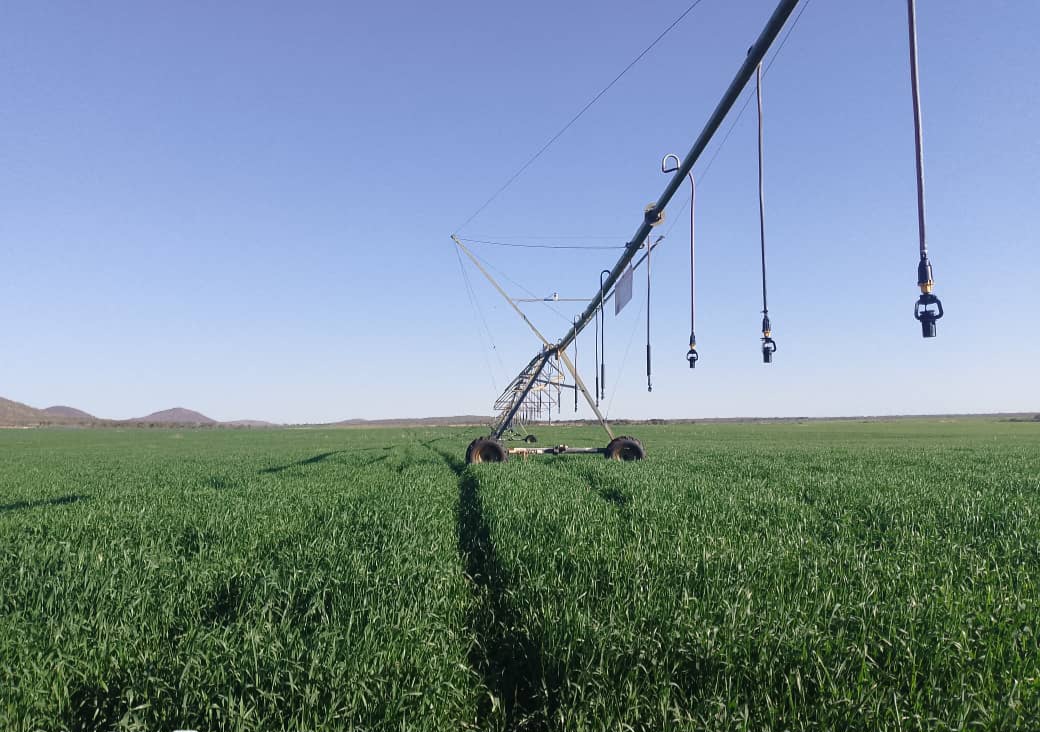
Dr. Masuka, who also highlighted the role of the agriculture value chain to the economy is convinced that increasing land under irrigation has been a game changer in efforts to attain food security.
“Now we have increased irrigable land from 175 000 H to the current 217 000 hectares. We have now signed deals with the private sector to irrigate an additional 30,000 hectares. This is all happening in the context that we are on our own and we must make it work. The mechanisation unit had improved from 8,000 tractors. We are now looking at 15,000 tractors. A lot has happened in the agriculture sector despite Sanctions. It all starts with the leadership of the president, who has said we must build that country,” he added.
The government is bullish on achieving food self-sufficiency through irrigation by 2030, provided the current momentum is sustained.
What is remarkable is that eight dams have been constructed under the Second Republic, with three others, including the Chivu dam, already operational.
This initiative, combined with the successful climate-smart Pfumvudza/Intwasa programme, has significantly boosted household food security.
The programme’s impact is a testament to the government’s efforts to tackle the country’s food insecurity challenges, which have been exacerbated by poor weather conditions, erratic rainfall, and long dry spells.

