



Story by Tendai Munengwa
ZIMBABWE’S growing success in ensuring national food security has positioned the country as a model within the SADC region, offering a sustainable solution that could help reduce Africa’s heavy reliance on food imports.
Once celebrated as the breadbasket of Southern Africa, Zimbabwe is steadily reclaiming that status, with its agricultural revival drawing regional and continental attention.
Experts believe the country’s approach to food self-sufficiency can be replicated across the continent to address food insecurity challenges.
This transformation is being driven by targeted policies, strategic land use, irrigation development, and investment in farming technologies, all aimed at building resilience and achieving sustainable production.
This Wednesday, SADC member states and developmental partners converged in Harare on a food security mission dubbed, ‘Hand in Hand regional forum’ to share ideas to achieve sustainable food security in the region and Africa at large.
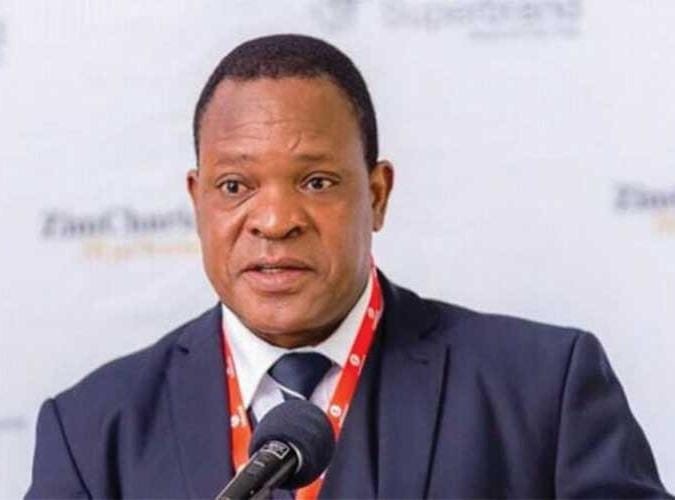
“We are hosting this forum remember that our Zimbabwe Agriculture transformation plan has produced record-breaking outputs in wheat, in maize, and other crops. Zimbabwe has demonstrated its potential to produce adequate food through various programs, which we feel can be emulated by SADC and the whole of Africa to cut the huge food import bills, so this three-day forum will interrogate that,” Lands, Agriculture, Fisheries, Water and rural development Minister, Dr Anxious Masuka said.
Food and Agriculture Organisation sub-regional director for SADC, Dr Tall Takoukum, believes Zimbabwe is on course to regain its status as the breadbasket of the region.
“We at FAO has availed technical and financial support with the latest US$20 million that was directed to support small-holding farmers to produce wheat, proving to be a success, we have small farmers in Matabeleland who are now wheat producers”, he said.
The three-day forum brings together SADC member states to fine-tune four SADC-wide investment cases, including irrigation (small reservoirs and solar pumps), Mechanisation, Agro-processing, and Trade integration.

