



Story by Yolanda Moyo
TREASURY has outlined a structured macroeconomic path anchored on sustained single-digit inflation, signalling a decisive shift away from prolonged economic volatility.
Government is positioning low and predictable inflation as a cornerstone for long-term growth, capital formation and increased foreign direct investment.
Recent inflation figures show a gradual but controlled rise, with annual inflation recorded at 3.8 percent in January, 4.1 percent in February and 4.4 percent in March, remaining firmly within the targeted single-digit range.
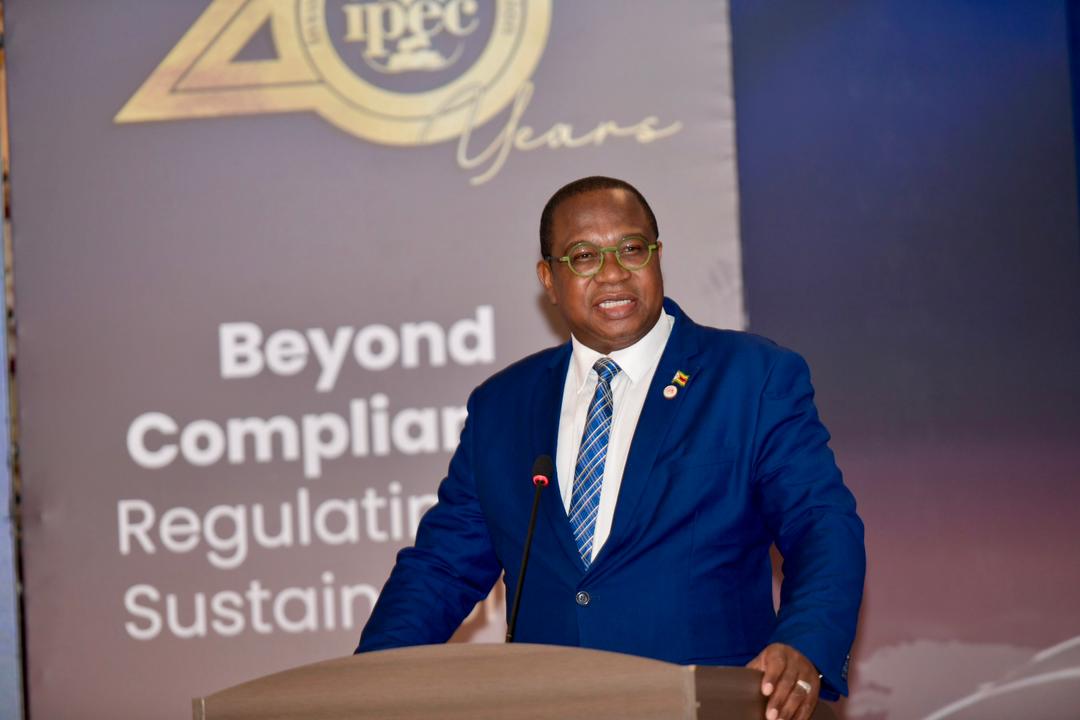
Minister of Finance, Economic Development and Investment Promotion, Professor Mthuli Ncube, said stability will define the country’s economic trajectory going forward.
“Economic stability will change Zimbabwe’s economy permanently. I can assure you stability will be guaranteed. We will stay within single-digit inflation territory permanently because that is what is normal. The latest figures show 3.8 percent in January, 4.1 percent in February, and 4.4 percent this month. We will stay within single-digit inflation for the whole of 2026, and that will be the new normal,” he said.
Market analysts attribute the disinflation trend to a coordinated policy framework, where fiscal discipline is reinforcing a tight monetary stance.
Economist Mr Stevenson Dlamini said the gains reflect effective policy alignment.
“The single-digit inflation attained is a testament to the success of prudent fiscal policy and tight monetary policy complementing each other. If this policy is sustained, I see a very positive economic growth outlook, foreign direct investors are likely to come in because there is now predictability,” he said.
However, economists caution that sustaining price stability without constraining growth will require continued discipline and policy consistency.
Dr Julias Tapera emphasised the importance of strong fiscal management and structural reforms.
“To sustain price stability without undermining growth, the government should focus on prudent fiscal discipline, including strengthening tax administration and expenditure control. Equally important is monetary-fiscal policy coordination to ensure alignment, as well as structural reforms that enhance governance, transparency, and the management of fiscal risks,” he said.
Zimbabwe’s improving macroeconomic fundamentals are increasingly aligning with global benchmarks, with the World Bank projecting steady economic growth in 2026, supported by policy consistency, stabilising prices and strengthening investor confidence.