



Story by Lisa Masuku-Kurira
THE strengthening of early infant diagnosis has been identified as key in advancing the attainment of UNAIDS’ 95-95-95 targets for children.
While the country has surpassed the UNAIDS targets for adults which translates to 95 percent of adults living with HIV knowing their status, 95 percent of those diagnosed being on treatment, and 95 percent of those on treatment having achieved a suppressed viral load, children are still lagging, with only 80 percent aware of their HIV status, 78 percent of those diagnosed receiving ART, and 88 percent achieving viral suppression.
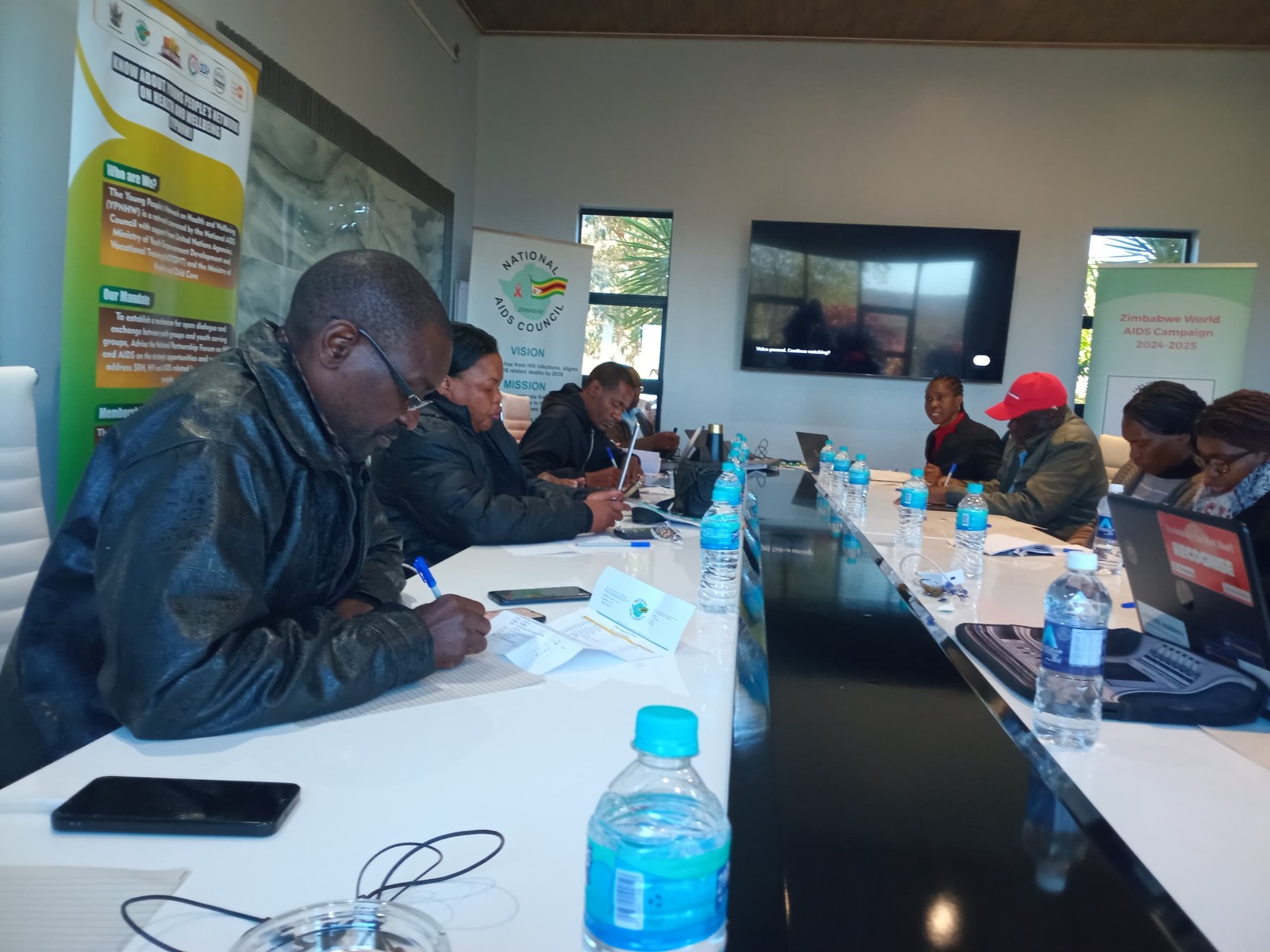
“Our worry as a country is on children because children are lagging behind on the achievement of the 95 95 95 targets,” Bulawayo National AIDS Council Programmes Officer, Mr Douglas Moyo said.
The recent U.S government’s stop-work order has impacted several HIV programmes, including HIV prevention initiatives. Despite these challenges, NAC emphasises the need to continue efforts using available resources to ensure that the progress made in HIV care is not undermined.
“A lot of our programmes have been affected by the stop-work order. Most of our HIV prevention programmes are no longer funded. However, as a country, we should not be discouraged by the stop-work order, we should count on our resources.”
Zimbabwe’s commitment to improving HIV care for children remains steadfast, with ongoing efforts to enhance diagnostic capabilities and treatment access.

