



Story by Oleen Ndori, Foreign Editor
GOVERNMENT’S drive to build a knowledge-based economy is gathering momentum, with the ongoing Zimbabwe International Research Symposium providing a platform for innovation, collaboration and technological advancement.
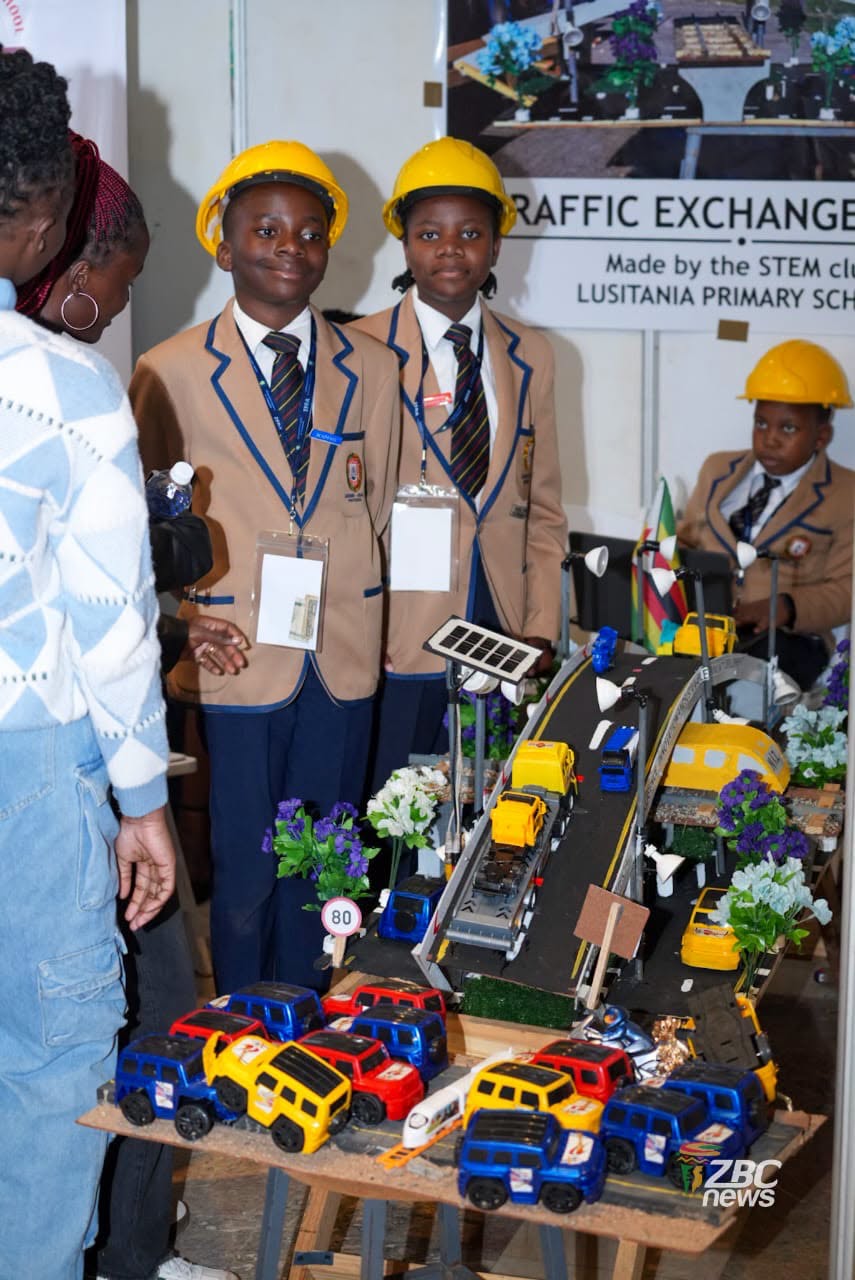
The three-day event has also incorporated primary and secondary school learners, nurturing a culture of research, science, and innovation from an early age.
Research, innovation, and artificial intelligence took centre stage at the research symposium, where researchers, innovators, policymakers, and learning institutions shared ideas aimed at accelerating Zimbabwe’s socio-economic transformation.
Held under the theme, “Exploring the Nexus Between Research, Artificial Intelligence, Innovation, and Sustainable Community Development,” the symposium showcases research exhibitions, presentations, and innovations that seek to address national development priorities, while promoting sustainable industrialisation.
A notable feature of this year’s symposium was the participation of primary and secondary school learners, exhibiting innovative projects alongside universities and research institutions.
“The inclusion of learners at the primary and secondary school level is deliberate. We want to nurture innovation from an early age and ensure that young people appreciate the importance of research, science, and emerging technologies such as artificial intelligence in solving community challenges and contributing to national development,” Research Council of Zimbabwe Board Chairperson, Engineer Edgar Kamusoko said.
The symposium is also strengthening partnerships between academia, government, industry, and regional institutions to ensure research findings are translated into practical solutions that improve livelihoods.
The Eastern and Southern Africa Management Institute says innovation and evidence-based policymaking remain central to sustainable development across the region.
“Research and innovation provide the evidence required for effective policymaking. Bringing together researchers, Government, industry, and young innovators creates an ecosystem that supports sustainable development and prepares the region for the opportunities presented by artificial intelligence,” Eastern Southern Africa Management Institute, Director General Professor Peter Kiuluku said.
15 awards were also handed over to those who excelled. From university laboratories to classroom innovation hubs, the symposium is demonstrating that research and technological innovation are no longer confined to higher learning institutions.
By providing primary and secondary school learners with a platform to exhibit alongside seasoned researchers, Zimbabwe is cultivating a new generation of innovators whose ideas have the potential to contribute to sustainable community development and national industrialisation.

