



Story by Abigirl Tembo, Health Editor
ZIMBABWE is intensifying efforts to tackle drug-resistant tuberculosis (DR-TB), with health experts highlighting progress in treatment approaches while stressing the need to close gaps in patient care.
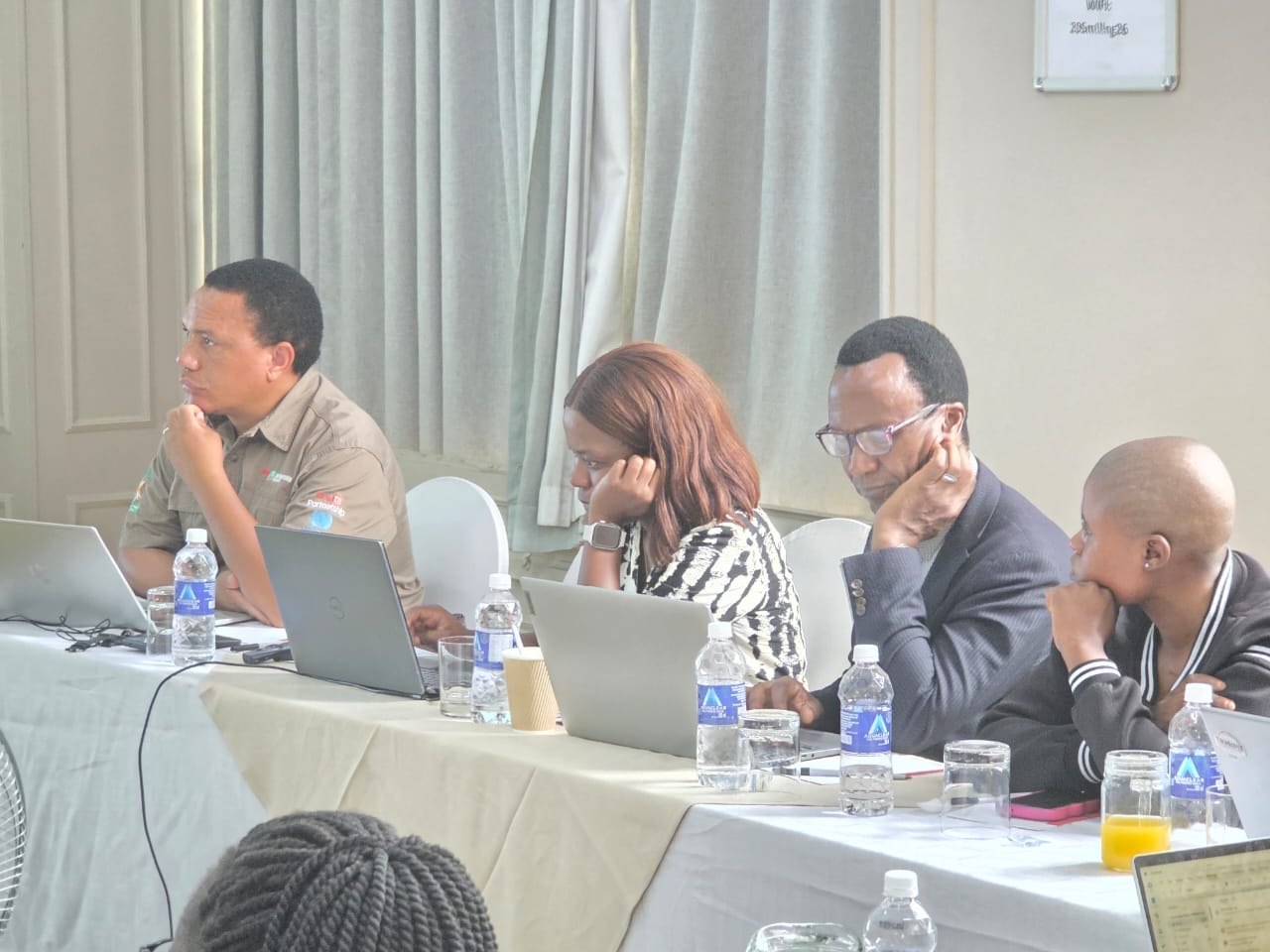
The move follows a series of high-level consultations involving government officials, healthcare professionals, and civil society organisations, aimed at reviewing current strategies and mapping a path forward.
Experts note that the focus is on strengthening the TB care cascade, which tracks a patient’s journey from detection to successful treatment completion.
Jointed Hands Welfare Executive Director, Dr Donald Tobaiwa, said that while progress has been made, treatment outcomes require improvement.
“Currently, our treatment success rate stands at around 68 percent, but the target is 100 percent. The gap reflects challenges such as deaths and patients lost to follow-up. Between 2019 and 2025, about 25 percent of patients died, while 7 percent were lost within the continuum of care. These are patients we need to trace and support to complete their treatment,” Dr Tobaiwa said.
He added that Zimbabwe currently has 242 patients on DR-TB treatment, underscoring the need for robust systems to ensure retention in care.
Regional TB Technical Advisor for the Union Zimbabwe Trust, Dr Tawanda Mapuranga, highlighted improvements in diagnostics and treatment regimens that have transformed DR-TB care.
“Previously, treatment could take up to two years and involved injections, which were difficult for patients. Now, we have shorter regimens that can last about six months and rely on oral medication, making treatment more manageable,” he said.
Dr Mapuranga also emphasised the role of psychosocial support in improving patient outcomes.
“Suffering from the disease itself, patients also face psychosocial challenges. Interventions include assistance with food support and essential investigations or tests to monitor treatment. Civil society organisations play a key role in promoting access to these services. It is a composite of improving diagnostics, treatment, and community support for their psychosocial journey,” he said.
With strengthened coordination, enhanced diagnostics, and shorter, all-oral treatment regimens, Zimbabwe is building momentum in the fight against DR-TB. Authorities say these efforts are central to achieving the goal of ending TB by 2030 while improving treatment success and saving lives.

