



Story by Owen Mandovha
ZIMBABWE’S economy is projected to remain resilient in the face of global shocks, including geopolitical tensions in the Middle East, underpinned by strengthened fundamentals built through sustained policy reforms, analysts say.
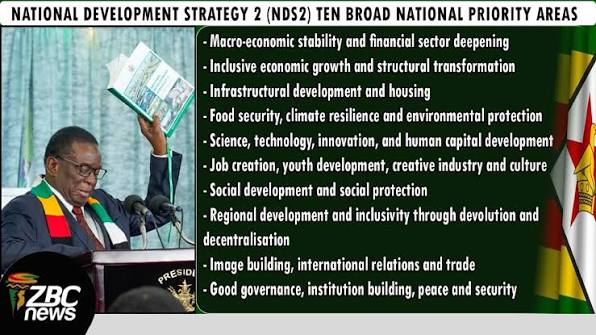
The outlook comes as the country advances the National Development Strategy 2 (NDS2), which is expected to consolidate gains made under earlier frameworks and steer Zimbabwe towards its Vision 2030 goal of attaining upper middle-income status.
Recent engagements at the IMF–World Bank Spring Meetings in Washington DC saw Zimbabwe receiving positive recognition from international financial institutions for strengthening its economic base, with observers noting its position among the fastest-growing economies in Sub-Saharan Africa.
Economists attribute the progress to deliberate policy interventions introduced under the Second Republic, beginning with the Transitional Stabilisation Programme (TSP), which targeted fiscal imbalances and structural inefficiencies.
“In 2018, the economic foundation was weak, and funding successive fiscal deficits fuelled money supply growth, while export capacity remained constrained due to low industrial output. The TSP helped to address these structural weaknesses and laid a strong foundation that was later built upon by NDS1,” said economist, Mr Malone Gwadu.
The economy has since endured major shocks, including the COVID-19 pandemic, with key sectors such as mining and agriculture demonstrating resilience and helping cushion the country against external pressures, including global supply chain disruptions and ongoing geopolitical tensions.
“NDS1 played a critical role in driving growth across key sectors such as mining and agriculture. Ease of doing business reforms also attracted increased foreign direct investment, resulting in new industries and job creation. This enabled the economy to withstand the COVID-19 shock and remain one of the fastest-growing economies in the region,” said economist Mr Titus Mukove.
Improvements have also been recorded in the energy sector, which previously faced constraints from fuel shortages and electricity supply challenges that affected industrial output. Targeted policy measures and infrastructure rehabilitation have contributed to greater stability.
Under NDS2, Government is prioritising industrialisation, productivity enhancement and increased energy generation capacity as part of efforts to sustain growth.
Authorities say the strategy will be central to driving economic transformation, job creation and value addition across key sectors as Zimbabwe progresses towards Vision 2030.
While challenges such as inflationary pressures and external volatility persist, analysts remain cautiously optimistic that policy consistency and ongoing reforms will reinforce the country’s growth trajectory over the medium to long term.

