



Story by Wellington Makonese
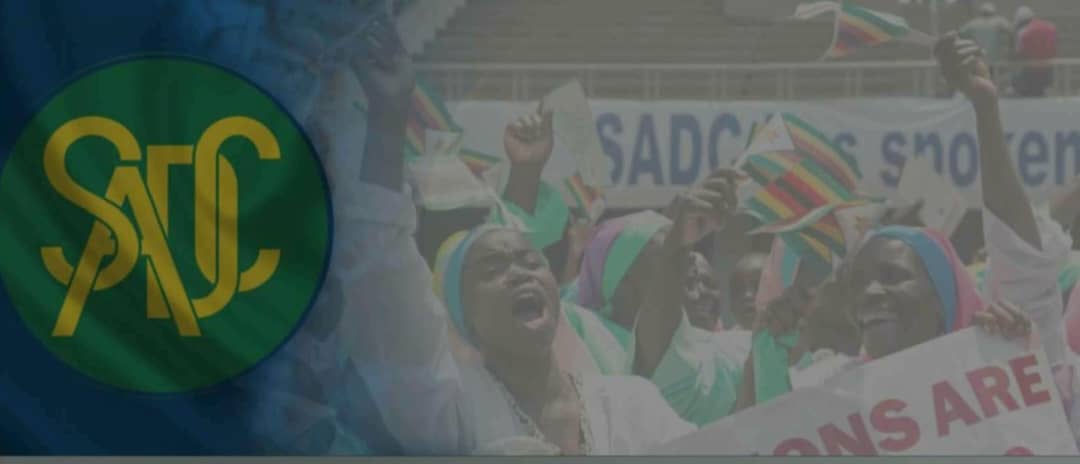
ZIMBABWE is commemorating Anti-Sanctions Month this October, an initiative that will culminate in the observance of SADC Anti-Sanctions Day on October 25.
The day was established by the 39th SADC Summit of Heads of State and Government in 2019 as a show of regional solidarity with Zimbabwe, which has been under illegal sanctions for over two decades.
Through this initiative, the regional bloc aims to collectively denounce the sanctions and call for their unconditional removal.
The sanctions were instituted by the United States of America in 2001 through the Zimbabwe Democracy and Economic Recovery Act (ZIDERA), effectively cutting Zimbabwe off from international credit, blocking investment flows and slowing down industrial growth.
Over the years, the sanctions have affected all Zimbabweans, with journalists such as Reuben Barwe, Musorowegomo Mukosi, Ceaser Zvayi and Munyaradzi Huni having at some point been included on the sanctions list.
“From the time I was placed on sanctions in 2008, I had just left Zimbabwe for Botswana, for a lecturing post at the University of Botswana, where I intended to pursue a PhD. It was a Structural Development Fellowship. I was placed under sanctions in July, European Union sanctions, and I was immediately deported by Ian Khama.
“I was declared a prohibited immigrant and an undesirable element in Botswana. Up to now, I have not set foot in Botswana. A number of times, I was denied visas to travel to the United States of America. I could not do my job properly. And even now, whenever I travel to South Africa, I cannot transit freely, and I cannot use some of the bureaus there. I have to ask someone else to change money for me, because my name is flagged, up to now,” journalist, Ceasar Zvayi said.
“The cardinal right that every human being is supposed to have, the right to interact, to conduct business, to live freely, has been restricted. I left the media long ago, yet here I am, still limited because of these sanctions. The Western powers crafted measures to muffle the press and others who challenged their interests, trying to economically squeeze us into submission,” journalist Musorowegomo Mukosi said.
Despite sanctions, Zimbabwe has remained resilient, forging alliances with progressive nations in pursuit of development.
Under the Second Republic, the engagement and re-engagement thrust, as well as the friend of all and enemy to none policy, are bearing fruit, with several infrastructure projects unfolding across the country.
The current economic growth trajectory has even charmed international financiers, with the World Bank and the International Monetary Fund (IMF) projecting a six percent growth rate for Zimbabwe this year.
“The past seven to ten years have been a wake-up call for the West. They have witnessed Zimbabwe’s development, economic stability, and progress, noted even by Bretton Woods institutions like the IMF and World Bank. Sanctions clearly failed, and now, they’re reconsidering them, acknowledging the country’s positive trajectory,” Musorowegomo Mukosi said.
After concerted calls for an unconditional call for the removal of sanctions, there seems to be light at the end of the tunnel, after the United States Congress moved a motion last month to review its sanctions regime on Zimbabwe, the first serious sign of policy reconsideration since 2001.
As Zimbabwe marks the Anti-Sanctions Month, observers believe that the total removal of the embargo would unlock the nation’s full potential and advance Africa’s shared vision of integration and sustainable growth.

