



Story by Abigirl Tembo, Health Editor
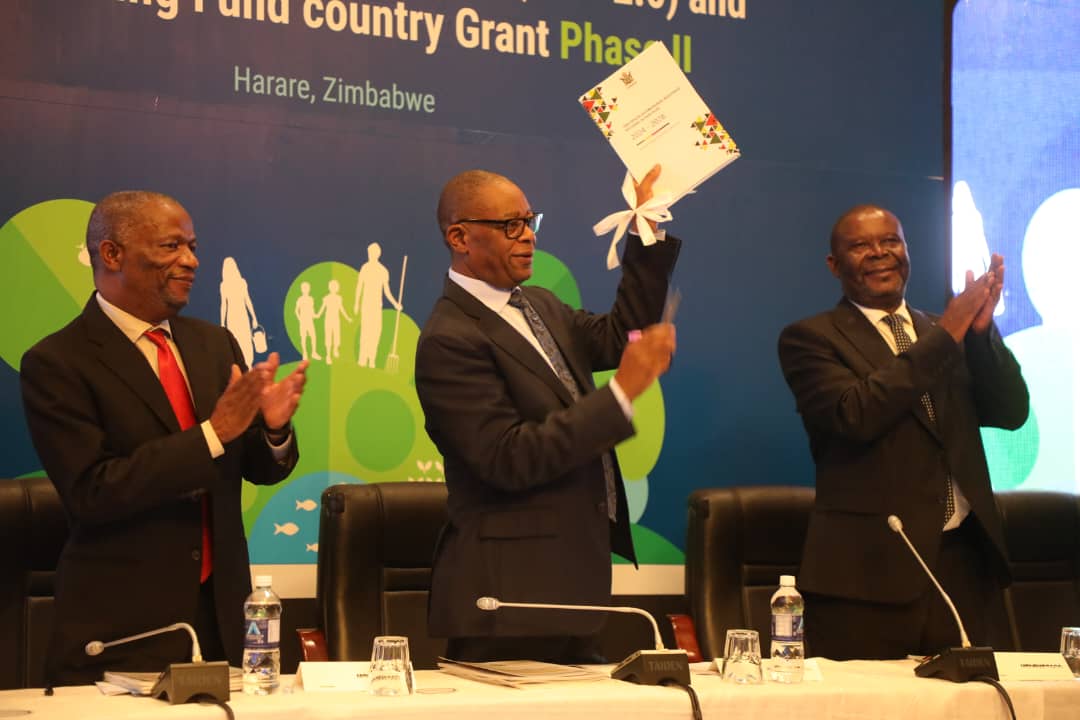
In a bold move to tackle the growing threat of antimicrobial resistance (AMR), Zimbabwe has launched the 2024-2028 National Action Plan for AMR.
The launch, which took place in Harare, marked a significant milestone in Zimbabwe’s efforts to combat the growing threat of AMR, which has been recognised as a global health emergency and claimed over 15800 lives in Zimbabwe in 2019 alone.
In his keynote address, the Minister of Health and Child Care, Dr Douglas Mombeshora emphasised the urgent need to address the AMR crisis, which threatens the country’s health systems, food security and economy.
“Today, we stand united to take on one of the most significant challenges of our time, a challenge that doesn’t make headlines every day but quietly, relentlessly, affects us all. AMR is a global crisis that strikes at the very heart of our health systems, our food security, and our future. For decades, antibiotics and other antimicrobials have been our most trusted tools in fighting infections, they have saved countless lives, made surgeries safer, and helped farmers feed our growing population, but today, these tools are losing their power.
“In Zimbabwe alone, more than 15,800 lives were lost in 2019 to drug-resistant infections. These are not just numbers, these are our mothers and fathers, our neighbours and friends. If we don’t act now, the cost will be devastating, not just in lives lost but in livelihoods destroyed, families torn apart, and opportunities missed. I believe in the resilience of our people and our ability to rise to any challenge. With the launch of the 2024-2028 National Action Plan for Antimicrobial Resistance, Zimbabwe is showing the world that we are ready to act.”
Speakers from several government departments as well as the Food and Agriculture Organisation (FAO) emphasised the importance of a One Health approach to combating AMR.
“The engagement of ministries responsible for health, agriculture, environment, and finance reflects the high-level commitment required to ensure the effective implementation of National Action Plan 2.0. Today’s launch is not just an event, it is a call to action. Combating AMR requires collective responsibility. It demands multi-sectoral collaboration, investment in research and innovation, and strong governance mechanisms that prioritise sustainable food systems. Every stakeholder here has a role to play in ensuring that antimicrobial use is regulated, evidence-based, and aligned with best practices.
“FAO remains committed to working with all partners to ensure responsible antimicrobial use, strong surveillance systems, and resilient agrifood systems that protect both public health and rural livelihoods. As we embark on the implementation of National Action Plan 2.0 and the second Fleming Fund Country Grant. I urge all stakeholders to remain engaged, proactive and committed to the cause. By working together, we can ensure that Zimbabwe’s food systems remain productive, its people remain healthy, and its economy remains resilient in the face of AMR challenges,” FAO representative in Zimbabwe, Dr Patrice Talla Takoukam said.
Public Health Advisor to the President and Cabinet Dr Agnes Mahomva noted, “Let’s not just focus on one priority, let’s look at the bigger, broader picture as well. We as a country want to hit the ground running and make sure as we do any other planning, as we implement all the other programmes, we are resilient, there is sustainability, and that is specifically why we’re focusing and making sure that our One Health Strategic Plan covers all areas.
AMR is one of the priorities of our bigger picture. And of course, our mission is to establish a coordinated and inclusive One Health approach that fosters multi-sectoral collaboration.”
“The time to act is now, before tomorrow becomes even more difficult to control. As we look forward to the years ahead, let us remain committed to our shared goal, to defeat antimicrobial resistance and protect the future of both agriculture and public health for generations to come,” added Department of Veterinary Services’ Representative Dr Pious Makaya.
The National Action Plan 2.0 is built on five key pillars: raising awareness, strengthening surveillance systems, promoting prevention practices, optimising antimicrobial use and fostering research and innovation.
The plan also aims to reduce the spread of AMR through a multi-sectoral approach, involving human, animal and environmental health.

