



Story by Abigirl Tembo, Health Editor
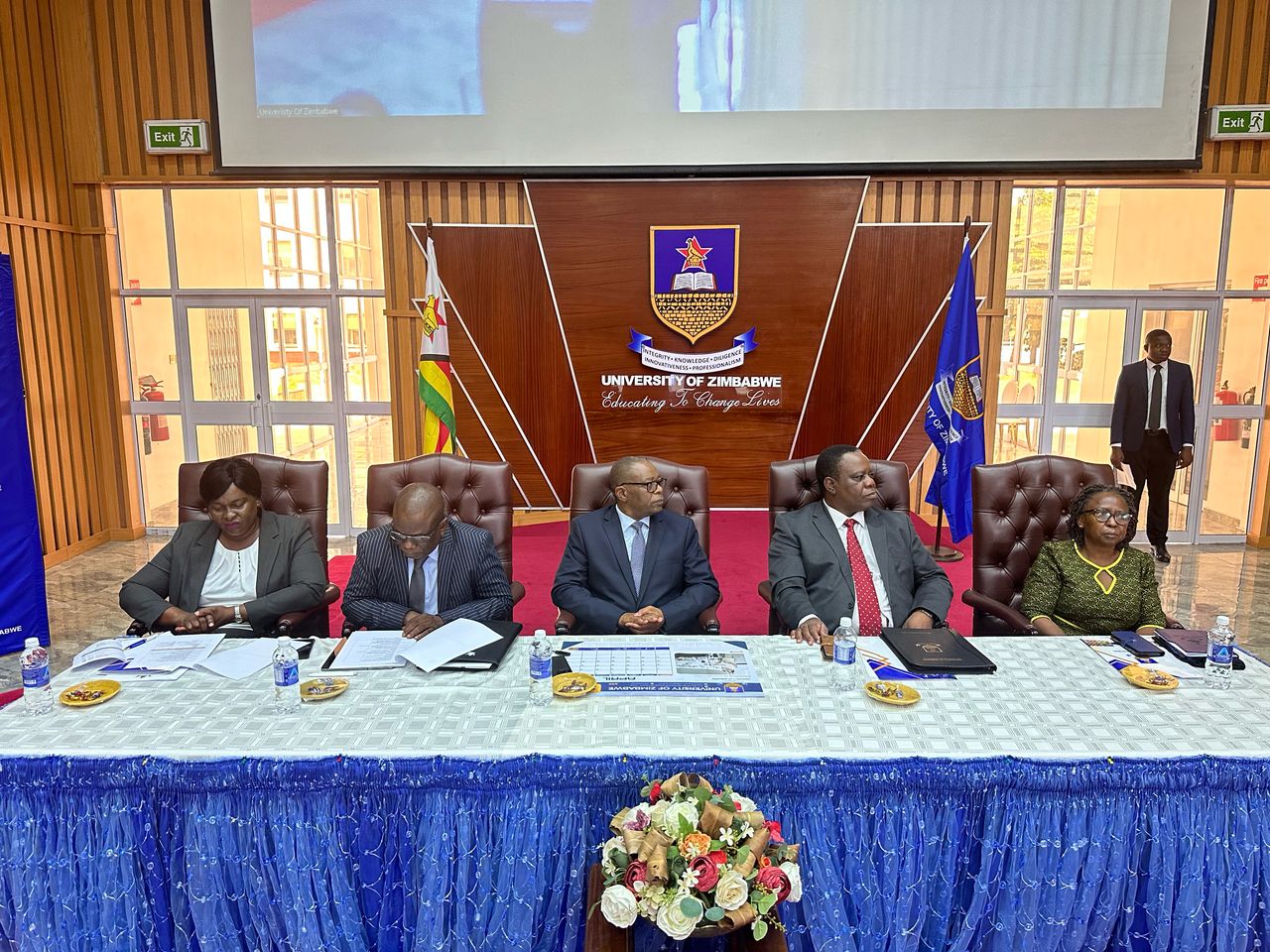
THE Youth Matters Conference being held at the University of Zimbabwe, brought together various government ministries and young minds to address critical issues facing the youth in the health sector and explore opportunities for empowerment.
University of Zimbabwe’s Pro Vice Chancellor for Infrastructure Development and Digitalisation, Professor Hodson Makurira, emphasised the importance of youth participation in transforming the national health sector.
“In this particular case, youth participation is being sought in transforming all aspects of our national health sector and commercialisation agenda and industrialisation of our country and transforming the lives of our people in the process. I am happy to report that our Innovation Hub has graduated 72 viable start-ups in the past year alone, with 12 now operating commercially.
“These represent real solutions emerging from the brilliant minds of young Zimbabweans. It is sad to note that, as a nation we are constantly confronted by painful paradoxes. While we produce some of Africa’s finest graduates, our national skills mismatch exceeds 62%. Our healthcare system trains world-class professionals, yet we lose over 43% of them to the diaspora within five years of graduation.
“The digital economy presents unprecedented opportunities, yet only 28% of our youth possess certified digital skills. As a University, we endeavour to correct these paradoxes and contradictions. We need organisations such as Young Achievers Trust and Youth Matters to join forces with us to address such anomalies,” Professor Makurira said.
The conference organised by the Ministry of Skills Audit and Development, Young Achievers Trust, and MedSpark, emphasised the crucial role of young people in transforming the nation’s healthcare system.
“I am deeply aware of the transformative power that lies in your hands. It is our collective duty to ensure that this power is harnessed for our nation’s prosperity. Our youths are at the centre of the development of this nation,” the Chief Director for Labour Administration, Employment Services and Promotion in the Ministry of Public Service, Labour and Social Welfare, Mr Clifford Matorera said.
“As the Ministry of Skills Audit and Development, we recognise the critical role of young people in building a robust and sustainable healthcare system. The global healthcare landscape is evolving at an unprecedented pace driven by technological advancements, research break-throughs and shifting patient needs traditional healthcare roles are expanding and new skills are required to meet the demands of modern medicine and we must prepare our youths for these emerging trends by ensuring that they receive quality training in areas such as digital, health telemedicine biotechnology and artificial intelligence in diagnostics,” the Director for Human Resources in the Ministry of Skills Audit and Development, Mrs Viola Kamutepfa said.
Guest of honour at the conference, Vice President General Retired Dr Constantino Chiwenga, who was represented by the Minister of Health and Child Care, Dr Douglas Mombeshora reiterated the government’s commitment to supporting youth-led initiatives in the health sector.
“The government acknowledges that health is the foundation for a successful future, and we are committed to ensuring that every young person receives the care they need. We are currently investing in youth-friendly healthcare services by expanding and modernising hospitals and clinics, ensuring affordability, and integrating mental health programmes into our national health agenda,” he said.
“We are committed to removing barriers that prevent young people from seeking medical attention, whether due to financial constraints, stigma, or lack of awareness. We are driven by a realisation that the future of this nation rests with a healthy and vibrant young population. Furthermore, we recognise the growing need for mental health support among young people. Depression, anxiety, and substance abuse are critical issues that require urgent intervention. That is why we are committed to intensifying our efforts through funding for mental health services in schools and communities, training more healthcare professionals, and conducting awareness campaigns against drug and substance abuse and to break the stigma surrounding mental health.”
The conference underscored the need for collaborative efforts to empower young people and equip them with the necessary skills to drive innovation and transformation in the healthcare sector.

