



Story by Fairstars Mukungurutse
AS the world celebrates Women’s Month, women in the built environment in Zimbabwe have earned recognition for their invaluable contributions to infrastructure development.
Despite having to work a little bit harder and overcome additional obstacles than their male counterparts, women in the built environment have actively contributed to the country’s infrastructure development from their respective disciplines.
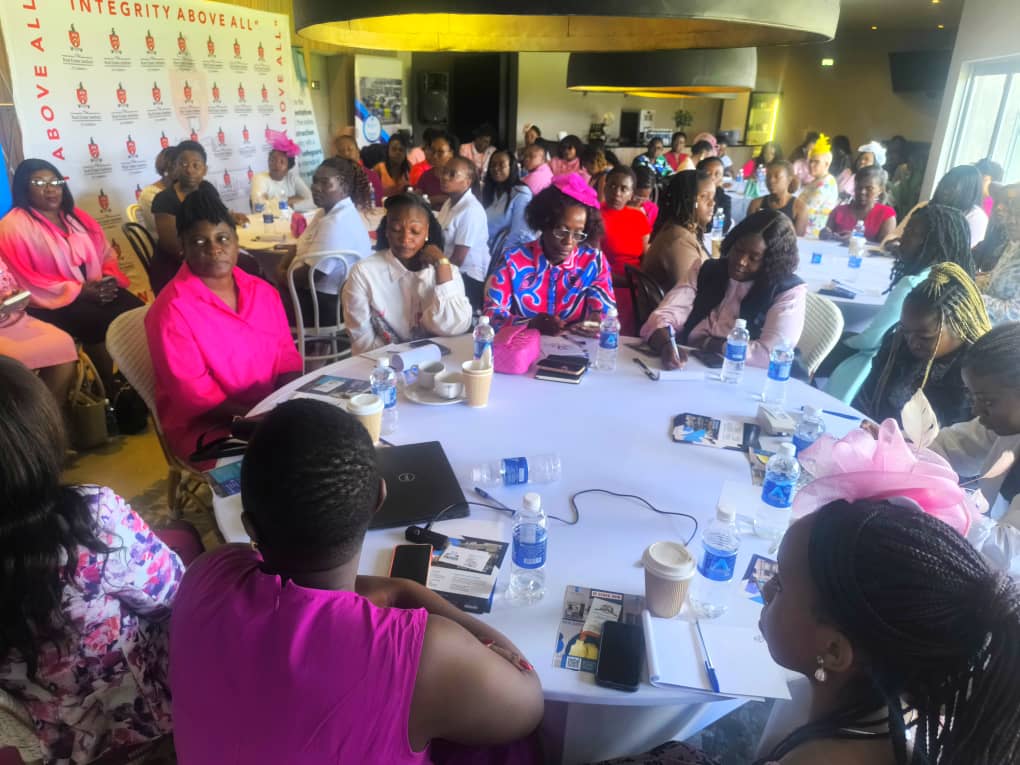
Women in architecture, engineering, urban planning, and construction converged in Harare to share experiences as well as foster collaborations, professional engagements and growth.
An expert in the construction industry Ms Verity Bosha encouraged more women to consider a career in the built environment.
“My company specialises in civil work, such as dam construction, bridges and roads, sewer and water reticulation. At the conference, we managed to learn a lot about where we have to accelerate in certain areas of our business and where we need to mentor other ladies so that we can rise and grow together. We also need to market our businesses on social media so that we can improve our visibility as women-owned businesses.
“It is not about male domination, where people will isolate the male-dominated sector, saying these sectors are for men only. No place is meant for men only. We women, we can do it. We can penetrate this male-dominated sector. Any place is meant for you ladies,” she said.”
Permanent Secretary in the Ministry of Women Affairs, Community Small and Medium Enterprises Development, Dr Mavis Sibanda, underscored the government’s commitment to supporting women in the built environment.
“As a ministry, we are happy to support and work with such a big number of professionals of women who have broken the glass ceilings. They are doing male-dominated professions. In the past, you would hardly find women civil engineers or architects but now, it is possible for our women to participate in any field of their choice. What is required is their strength, mental strength, and education, they can do it.
“We are asking these professionals to take on board the younger females as interns as well for mentorship purposes so that the younger ones can see that it is possible. These women, are coming up with big projects which shows that there is no job which is specially made for men or specially made for women, except giving birth.”
While the built environment sector was historically male-dominated, more women have been stepping into the field, ultimately shaping urban planning, public spaces and infrastructure development. Despite the progress made, gender bias and stereotypes remain significant challenges for women hence calls to address under-representation and promoting equal opportunities for women in the built environment.

