



Story by Abigirl Tembo
ACROSS Zimbabwe, tragedy is being compounded by a troubling trend, bystanders filming accident victims instead of offering help.
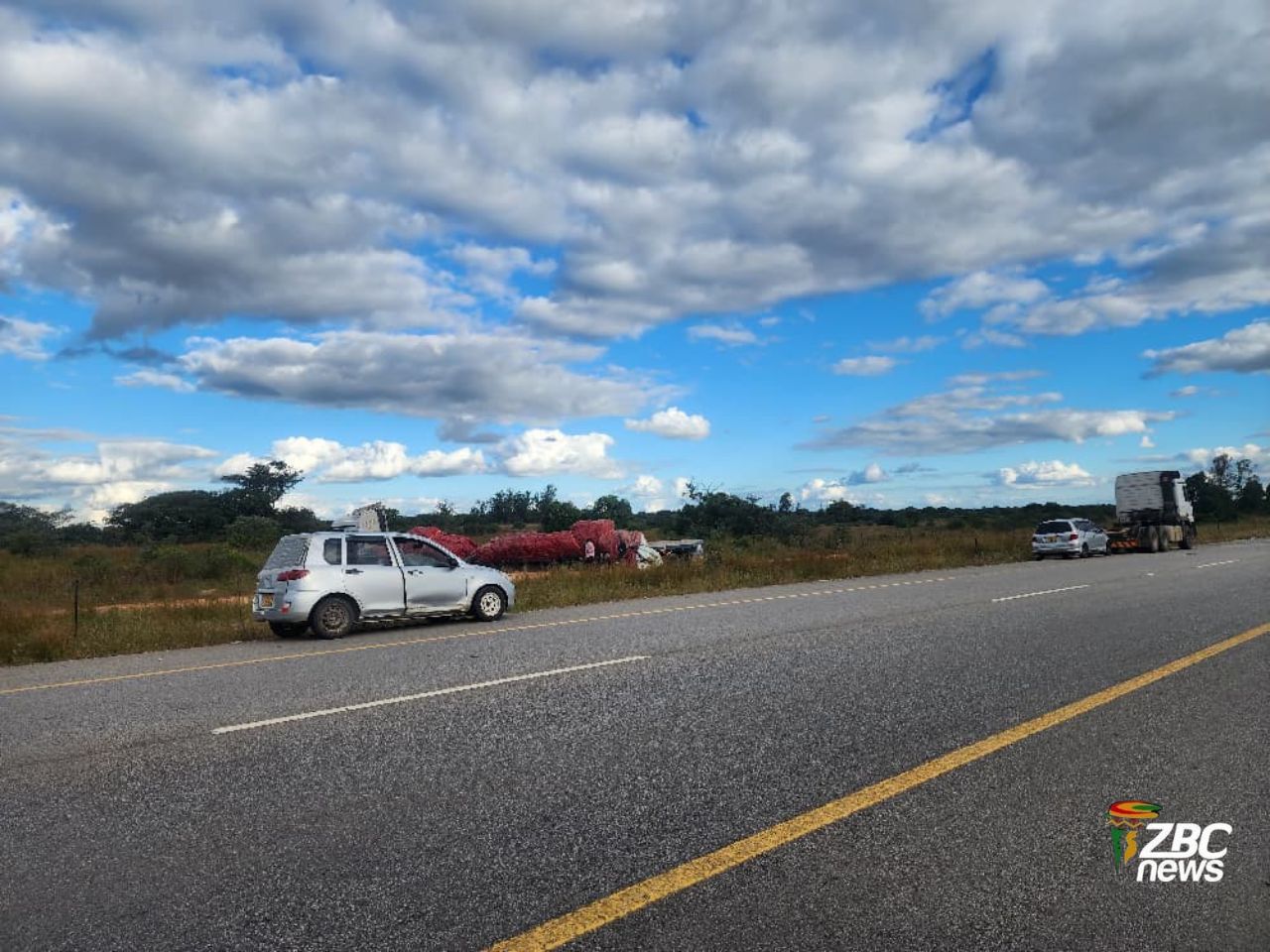
In the aftermath of road crashes, seconds can mean life or death. Yet, in shocking cases, phones are raised not to call for emergency services but to record. The recent accident involving the Mujuru family in Masvingo, which claimed the lives of a mother and her five children, has brought this disturbing practice into sharp focus.
“There is growing concern,” authorities say, as images of the injured and dying circulate widely on social media, often before loved ones even know tragedy has struck.
Experts warn that these first moments, known as the golden hour are critical. A single call. A steady hand. A piece of cloth to stop bleeding. These are the small acts that can mean the difference between life and death.
Yet, too often, compassion is being replaced by curiosity.
The recent accident involving the family of Ronald Mujuru in Masvingo has brought the issue into sharp focus, igniting national debate and deep discomfort.
For many Zimbabweans, the reaction has been visceral.
“It is painful. Instead of helping, people are busy taking videos. What if it were your own family? This practice should be stopped,” said Ashton Mutiti, his words carrying the weight of a shared frustration.
For others, the trauma lingers long after the images disappear from their screens.
“Those videos are traumatising. You open your phone and suddenly you are seeing someone’s worst moment. It is not fair,” Elizabeth Mutimuni reflected.
Beyond the shock lies something deeper, a sense that something fundamental is being lost.
“This is not our culture. We were taught to respect the injured and the dead. This must stop,” said Yeukai Mamboweni.
That sentiment echoes a broader unease: that in the race for views, shares and fleeting attention, dignity is being sacrificed.
Godwin Nyamukapa, who has witnessed such scenes firsthand, spoke of a different instinct, one rooted in action, not observation.
“Sometimes, we are the first at the scene. What we need is to help, even just removing someone from danger, not taking pictures,” he said.
Authorities have now stepped in, their tone firm and unambiguous.
The Minister of Transport and Infrastructure Development, Honourable Felix Mhona described the behaviour as both insensitive and unacceptable.
“It is unfortunate that some overzealous people take pictures of accident victims and circulate them before relatives are informed. We should be empathetic and act as humanly as possible.”
The Zimbabwe Republic Police has gone further, issuing a stark warning. The priority at any accident scene, they stress, must be clear: call for help, assist where possible, and preserve the dignity of victims.
Not chase views.
Not chase likes.
Authorities say the law will take its course against those who continue to record and distribute such content, signalling a shift from moral appeal to legal consequence.
“The ZRP urges Zimbabweans to prioritize rendering assistance to victims of road traffic accidents, such as promptly notifying emergency services and offering first aid where possible, rather than capturing photographs or videos of horrific accident scenes and sharing them on social media. The law will take its course on anyone who will be found taking photographs or videos of accident scenes. A case in point is a recent road traffic accident involving the Ronald Mujuru’s family in Masvingo,” ZRP said in a statement.
But beyond enforcement lies a deeper question, one that no statute alone can answer.
What has happened to our sense of humanity?
As accidents happen, the call is growing louder, not just for safer driving, but for something more fundamental: compassion.
`
Because in the end, no video, no viral moment, no fleeting attention can outweigh the value of a life saved.
And in those critical seconds, when everything hangs in the balance, the choice should never be between helping and recording.
It should always be humanity first.

