



Story by Oleen Ndori
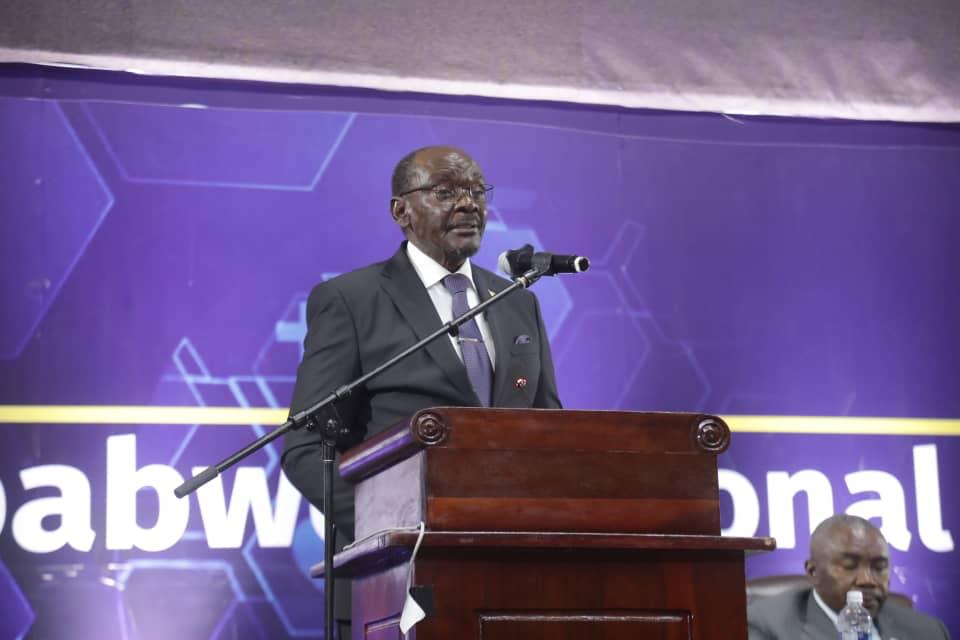
VICE PRESIDENT Colonel (Retired) Dr Kembo Mohadi has officially launched the Zimbabwe National One Health Strategic Plan, a framework aimed at strengthening health systems and promoting the sustainable management of human, animal, plant and environmental health.
Covering the health, agriculture and environmental sectors, the strategy will run from 2026 to 2030 and adopts a multi-sectoral approach to addressing health risks arising from human, animal and environmental interactions.
The approach is designed in a way that will support the country in achieving the Sustainable Development Goals (SDGs) of the United Nations, and launching the initiative this Thursday, Vice President Colonel Retired Dr Kembo Mohadi said the plan promotes a coordinated multi-sectoral implementation of one health programmes in Zimbabwe.
“The Zimbabwe National One-Health Strategic Plan is a transformative framework that reflects Zimbabwe’s commitment to addressing complex national health challenges through a unified and holistic “One-Health” approach. The plan provides a clear roadmap for integrating human, animal, plant, and environmental ecosystems for addressing interconnected health challenges.
“The plan’s vision of “a Zimbabwe where the health of the people, animals, plants and the environment is holistically protected and promoted through evidence, collaboration and integration”, highlights the fact that the strategy is aligned with Zimbabwe’s Vision 2030 through the National Development Strategy two (NDS2) priorities, as well as regional and international frameworks including the Africa Agenda 2063, SDGs and the UN global quadripartite joint plan of action on One-Health. Addressing the current health challenges, guided by this One-Health approach and framework, is a strategic way of ensuring that the nation achieves its vision of a prosperous and empowered upper middle-income society by 2030, leaving no one and no place behind,” he said.
Government and its partners, which include the University of Zimbabwe, World Health Organisation (WHO) and the Food and Agriculture Organisation (FAO), say they are ready to play their part in ensuring the quadripartite approach in health management in Zimbabwe is a success.
“This policy represents a shared national outlook in the growth and protection of people, animals and plants which play a role in the country’s development. Our public health security prospects depend on how we respond to various risks, and as such, this strategic policy will ensure a whole of government collaboration through these three ministries,” Acting Minister of Health and Child Care, Prof. Paul Mavima said.
“As tertiary institutions, we are looking at the policy and looking at how we can play our part in ensuring that the education 5.0 model resonates with the health strategy towards the country’s development,” University of Zimbabwe Vice Chancellor, Professor Paul Mapfumo said.
“This policy speaks to the broader vision of ensuring that humans, animals and plants are able to develop in harmony and ensuring the thriving of one is the success of all, and this is critical, particularly faced with emerging challenges climatically globally,” FAO Country representative, Dr Patrice Talla said.
“In the face of rising numbers of zoonotic diseases, the United Nations implemented the quadripartite joint plan of action on health, and we are glad to see Zimbabwe joining in on this initiative in responding to various calamities across these three sectors,” W.H.O Zimbabwe Officer in Charge, Dr Najibullah Safi said.
For the One Health Secretariat, the launch signals a successful response to health challenges present in the country.
From launching the one health strategic plan, Vice President Mohadi went on to receive mobile outreach vans and minibuses procured under the Zimbabwe COVID-19 Response and Essential Health Services Project that ran from April 2022 to June 2025.
The three-year programme was funded by the World Bank to the tune of 10 million United States dollars, with CORDAID Zimbabwe as the implementing partner.
The vehicles are meant to improve operations of the health sector across the country in the spirit of leaving no one and no place behind.
“These vehicles act as bridges ensuring equitable access to health care to every Zimbabwe, and they represent a part of the assistance that we continue to deliver to Zimbabwe,” World Bank Acting Country Manager, Ms Zewditu Banteyehun Haile said.
“The mobile clinics we see today are the result of that persistence. They are designed to support outreach, continuity of care, and equitable access to health services. They complement other investments under the project that focuses on strengthening systems, infrastructure, and service delivery across the country.
“Their true value will be realised when they are actively deployed and serving communities across the country,” Catholic Organisation for Relief and Development Aid (CORDAID) Country Manager, Ms Trish Mukunyadzi said.
For the One Health Secretariat, the launch signals a successful response to health challenges present in the country.
“The policy cuts across sectors and sustainability balance human, animals and ecosystems and provides management and balance of these which is key. Its reflects commitment by Zimbabwe towards providing a unity of purpose and collaboration in responding to challenges presented in these areas and how they speak into the United Nations vision through the joint plan of action,” One Health Secretariat, Dr Tinashe Hodobo said.
From launching the one health strategic plan, Vice President Mohadi went on to receive mobile outreach vans and minibuses procured under the Zimbabwe COVID-19 Response and Essential Health Services Project that ran from April 2022 to June 2025.
The three year programme was funded by the World Bank to the tune of 10 million United States dollars, with CORDAID Zimbabwe as the implementing partner.
The vehicles are meant to improve operations of the health sector across the country in the spirit of leaving no one and no place behind.

