



Story by Owen Mandovha, Business Reporter
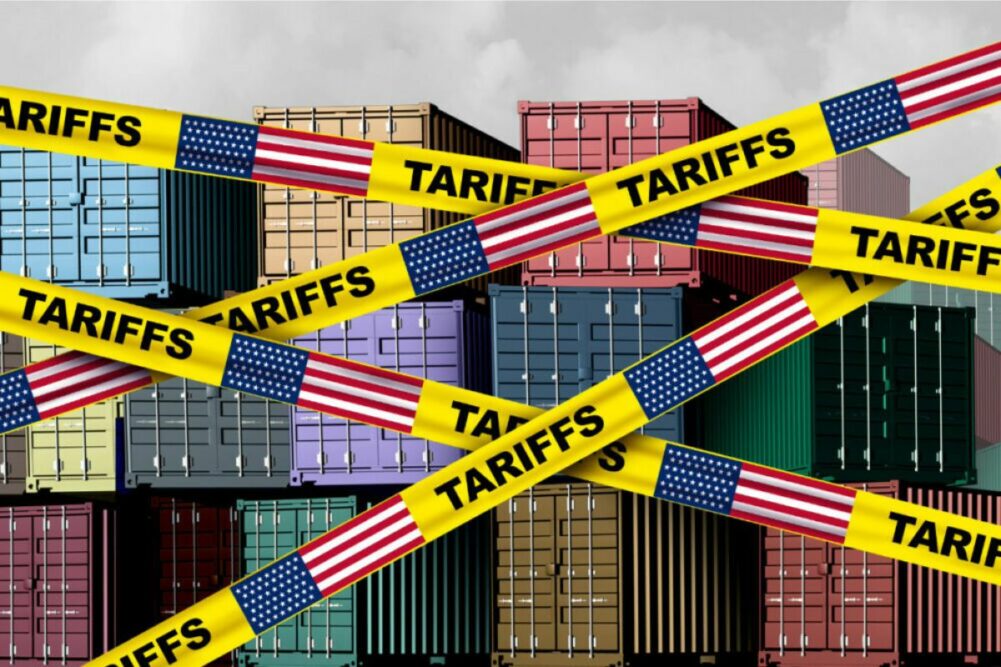
THE US government has imposed an 18 percent tariff on imports from Zimbabwe, with many other African countries also affected by President Donald Trump’s sweeping economic decision.
The sweeping tariffs which kicked off this Wednesday, have sent shockwaves across the globe with major stock markets tumbling on their first day as US President Donald Trump pursues his inward-looking American first policy.
The penalties announced on US allies and rivals alike have drawn condemnation from other leaders facing the end of an era of trade liberalisation that has shaped the global order for decades.
Zimbabwe has also been slapped with an 18 percent tariff on all exports to the US, but analysts believe the impact on the local economy will be minimal considering the US is not Zimbabwe’s major trading partner.
“Zimbabwe will not be greatly affected by the 18% tariff as its trade with the US stands at around 1.3% constituting about 0.3% of GDP. We are only yet to see how Zimbabwe is likely to be affected given that South Africa, which is Zimbabwe’s largest trading partner is likely to be the biggest casualty of tariffs based on their significant trade with the US,” Economist, Dr Prosper Chitambara said.
South African-based entrepreneur and PhD student, Omalli Jalai says any impact should be seen from the standpoint of how Zimbabwe is likely to be affected, given that its largest trading partner, South Africa will be hard hit after being slapped with a 30 percent tariff.
“South Africa (SA) is our largest trading partner accounting for almost 60 percent and the latest round of tariffs are targeting SA due to diplomatic issues happening between the two countries, so if SA is going to lose here, to what extent are they set to recover that lost trade, which in a way probably provides opportunities for us as Zimbabwe.”
African countries slapped with high tariffs on their exports to the US include Lesotho at 50 percent, Madagascar (47 percent), Botswana (38 percent) and Angola at 32 percent.
The latest round of tariffs by the US is expected to slow down global economic growth as projected by the IMF and World Bank.

