



Story by Tamuka Charakupa
ZIMBABWE’s transport and logistics professionals have commended government efforts to modernise infrastructure and streamline trade systems, saying the reforms have strengthened the sector’s competitiveness and improved regional connectivity.
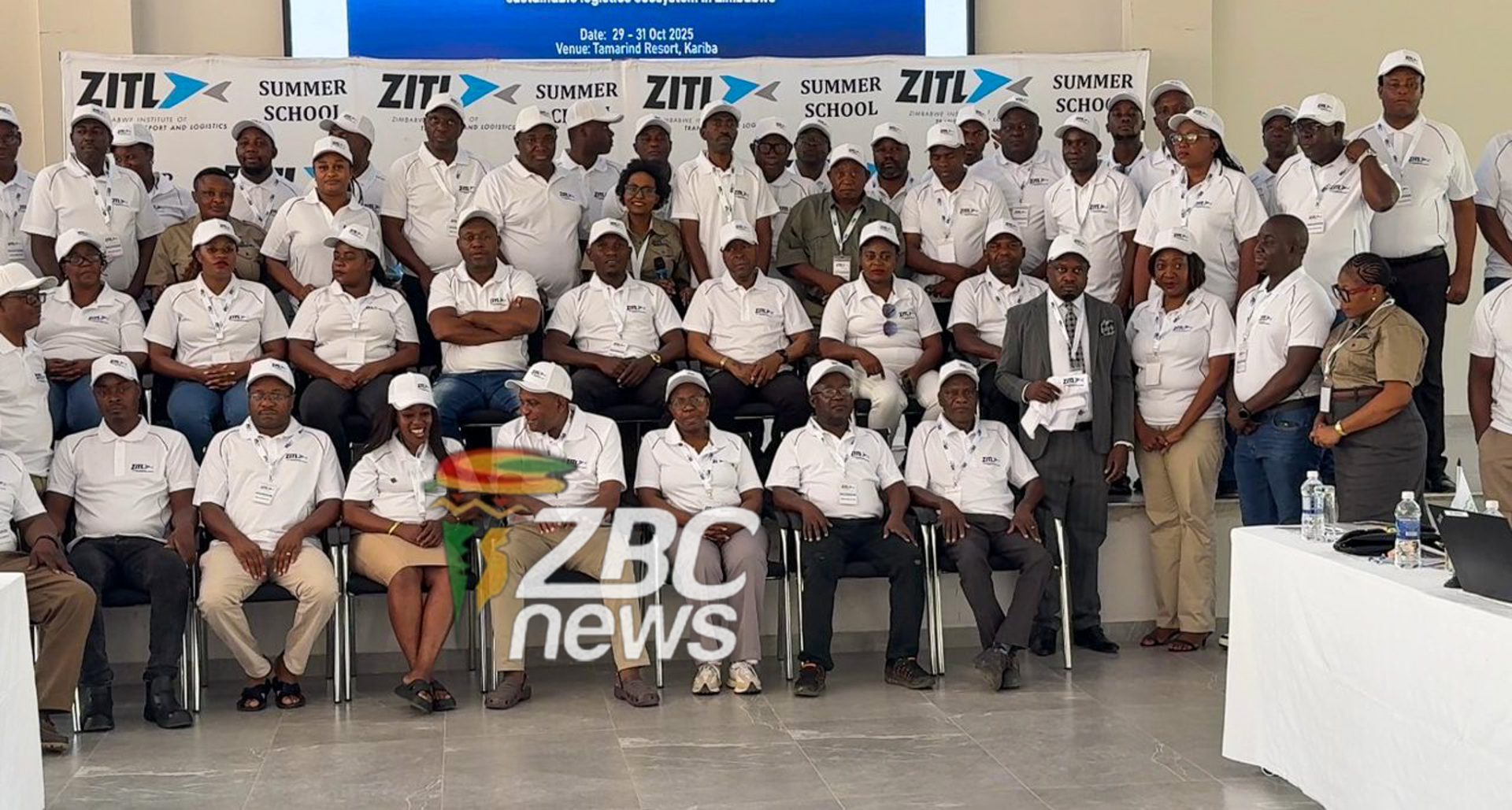
Speaking during the Zimbabwe Institute of Transport and Logistics Summer School in Kariba, industry leaders highlighted how the evolving policy environment and investments in infrastructure have created space for innovation and operational efficiency.
The gathering brought together experts to explore the role of emerging technologies in building a smarter, safer and more sustainable transport system. Delegates underscored the potential of Artificial Intelligence (AI) to transform logistics operations, enhance safety and reduce costs.
“AI offers predictive analytics that can help us identify accident-prone zones before tragedies happen. We are now able to use data to save lives and cut costs in logistics operations,” transport industry expert Engineer Kudzai Chikumbirike noted.
“Embracing emerging technologies like smart tracking systems and automated driver monitoring tools will revolutionise the industry. It is no longer about just moving goods, but doing so intelligently and safely,” Chairperson of the Zimbabwe Institute of Transport and Logistics, Mr Robert Mandeya added.
Shipping and Forwarding Agents’ Association of Zimbabwe, Chief Executive Officer, Mr Washington Dube commended government for continuously improving road infrastructure and border efficiency, critical components in strengthening Zimbabwe’s position as a regional transport.
“We have seen tremendous progress on major highways and interchanges which has improved travel time and reduced vehicle maintenance costs. It is a major boost to logistics operators. Border efficiency has greatly improved. The introduction of modern clearance systems and better roads means goods are moving faster across borders, enhancing trade competitiveness.”
The government reiterated its commitment to creating a supportive policy and infrastructural framework for sustainable growth in the transport and logistics sector.
“Our macroeconomic policy, NDS1 recognises that transport infrastructure and services are key enablers of economic development and the Second Republic is determined to leapfrog the quality of our infrastructure across the country. Without reliable, efficient, affordable and dependable infrastructure, our key sectors such as agriculture, mining, tourism, manufacturing and service sectors will not grow,” Principal Director in the Ministry of Transport and Infrastructure Development, Mr Allowance Sango noted.
The country’s ongoing flagship projects, including the Beitbridge-Harare-Chirundu Highway, the Trabablas Traffic Interchange and the modernisation of border posts such as Beitbridge and Forbes, remain central to the government’s transport infrastructure drive, aimed at boosting regional connectivity and facilitating seamless trade.

