



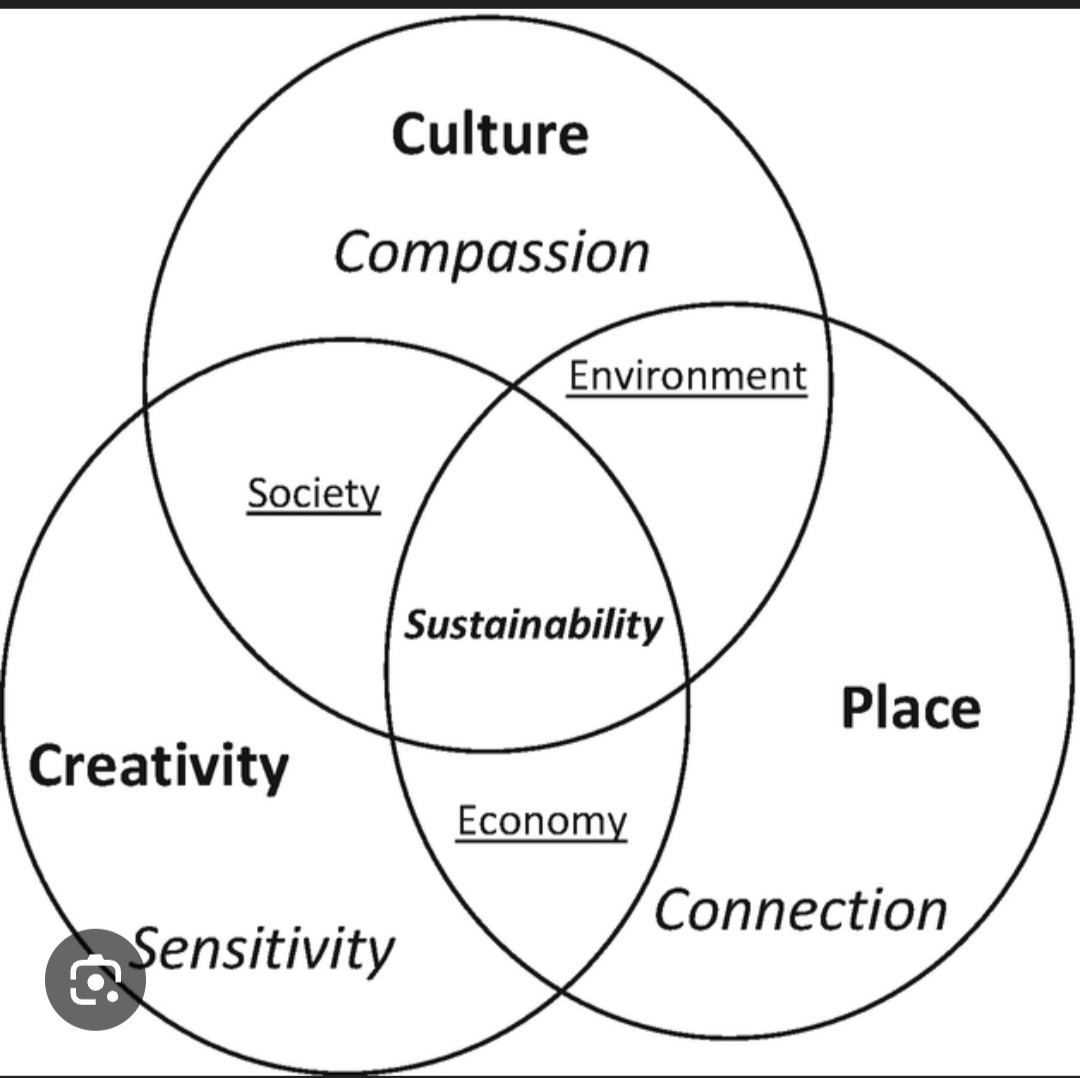
By Princess Kelelo Dhlamini Skade
In today’s interconnected world, the relationship between compassion and the economy is increasingly coming into focus.
The concept of compassion, often associated with empathy, kindness, and consideration for others, plays a crucial role in shaping not only individual interactions but also broader societal structures.
This article delves into the intricate link between the lack of compassion and the potential for economic destruction.
By exploring how moral values intersect with economic principles, we aim to shed light on the consequences of a society devoid of compassion and the implications it has on the stability and sustainability of our economic systems.
Understanding the Link Between Lack of compassion and Economic Destruction
Defining Compassion and its Impact on Economic Systems Compassion isn’t just a warm fuzzy feeling; it plays a crucial role in how economies function. When individuals and institutions lack compassion, it can have far-reaching consequences on economic well-being. You remember growing up, when you do wrong infrastructure of your adults, mostly they would use phrases like “why do you lack Compassion, why are you being inhumane”, Compassion morality used to be the centreguard
Of humanity.
The Intersection of Morality and Economics
Contrary to what some might think, morality and economics are not independent realms. In fact, they are intertwined in complex ways. A lack of compassion in economic decisions can lead to moral dilemmas and potential economic downfall. When a leader , be it religious or political leader lacks compassion, they will not fear from taking from the pot which feeds the poor, widows and orphans, leading to what we then label as corruption, as a Symptom of Societal Indifference.
Corruption thrives in environments where compassion is lacking. It often reflects a broader societal apathy towards ethical behavior and can deepen the disconnect between economic prosperity and social well-being. A lack of compassion sets the stage for corruption to flourish. When individuals prioritize self-interest over the common good, corrupt practices can become normalized, further eroding trust and integrity within economic systems.
Many people may as how Lack of Compassion Facilitates Evil Deeds. The Psychology of Empathy Deficit in Unethical Behavior. Empathy deficit plays a significant role in unethical behavior. Without compassion for others, individuals may engage in harmful actions that prioritize personal gain at the expense of others and the
economy as a whole.
Lack of compassion can lead to the dehumanisation of others, making it easier to justify unethical actions. When individuals detach themselves from the consequences of their behavior, it becomes easier to engage in harmful practices that ultimately undermine economic stability, hence we have seen pastors feeding people grass, spraying human beings doom. We have also seen political leaders Historical Examples of Lack of Compassion Leading to Economic Downfall.
The Great Depression serves as a stark reminder of the devastating impacts of a lack of compassion in economic policymaking. The failure to prioritize the well-being of all individuals contributed to widespread economic hardship and societal unrest.
Numerous corporate scandals throughout history highlight the consequences of a lack of moral compassion within businesses. When profit is prioritized over ethical considerations, organizations risk tarnishing their reputation, facing legal repercussions, and damaging overall financial stability.
The Importance of Cultivating Compassion in Society for Sustainable Economic Growth
Compassion is not just a warm fuzzy feeling; it’s a powerful tool for building trust and social cohesion in society. When individuals and institutions prioritize empathy and understanding, relationships are strengthened, leading to more stable communities and a healthier economy. In a world where cutthroat competition often reigns, compassion can be a game-changer. Cultivating a culture of empathy and care can inspire innovative solutions to societal challenges and foster ethical leadership that prioritizes the well-being of all stakeholders, not just the bottom line.
To combat the corrosive effects of corruption and lack of compassion in the economy, implementing and enforcing rigorous ethical standards and accountability measures are crucial. By holding individuals and organizations accountable for their actions, we can create a more just and compassionate economic environment.
Education is key to shaping future generations of business leaders who prioritize compassion and ethics. By incorporating empathy and altruism into business curricula and fostering a culture of care within educational institutions, we can lay the groundwork for a more compassionate and ethical economy.
Community Engagement and Economic Well-being
Individual acts of compassion may seem small, but they can have a ripple effect that positively impacts the economy. By engaging with our communities, supporting local businesses, and practicing kindness in our daily interactions, we contribute to economic well-being and create a more vibrant and connected society. Creating a culture of compas corporate social responsibility is not just a buzzword; it’s a powerful tool for promoting compassion in the business world. By prioritizing ethical practices, sustainability, and community engagement, companies can lead by example and inspire others to follow suit, creating a culture of compassion that benefits both society and the economy. In the face of economic challenges and societal turmoil, compassion remains a steadfast foundation for building a thriving society.
By embracing compassionate values in our personal and professional lives, we pave the way for long-term economic sustainability and a more equitable and harmonious world. The time for change is now. Each one of us has the power to make a difference by choosing compassion over indifference, empathy over apathy. Let’s heed the call to action and empower individuals to drive positive change, creating a more compassionate, ethical, and prosperous future for all.
Conclusion: Upholding Compassion as the Foundation for a Thriving Society
It is evident that cultivating compassion is not only a moral imperative but also a practical necessity for ensuring a prosperous and sustainable society. By recognizing the critical role that compassion plays in our economic systems, we can strive towards a future where ethical considerations and empathetic actions drive positive change and growth. Upholding compassion as the foundation of our interactions, policies, and institutions is key to fostering a thriving society where empathy, integrity, and inclusivity pave the way for a brighter tomorrow. Let us embrace compassion as a guiding principle in our endeavors, working together to create a more just, equitable, and compassionate world for all.
The terrible effects of lack of compassion as a political or religious leader are;
*A lack of compassion can lead to economic destruction by fostering a climate of indifference, unethical behavior, and corruption. When individuals and institutions prioritize self-interest over the well-being of others, it can result in systemic issues such as income inequality, exploitation, and economic instability.
While compassion itself may not have a direct monetary value, its impact on economic outcomes can be observed through indicators such as trust levels, social capital, and corporate responsibility practices. Studies have shown that compassionate societies tend to exhibit higher levels of cooperation, innovation, and long-term sustainability, which can have positive economic implications.
*Individuals can cultivate compassion by practicing empathy, active listening, and kindness in their interactions with others. By supporting ethical businesses, volunteering in their communities, and advocating for social justice, individuals can contribute to creating a more compassionate and equitable society, ultimately benefiting the economy and overall well-being of all members of society.

