



Story by Tamuka Charakupa
STAKEHOLDERS have intensified calls for increased domestic financing of family planning services, urging Government and Parliament to strengthen budgetary support for contraceptive procurement as Zimbabwe seeks to safeguard reproductive health gains amid declining donor funding.
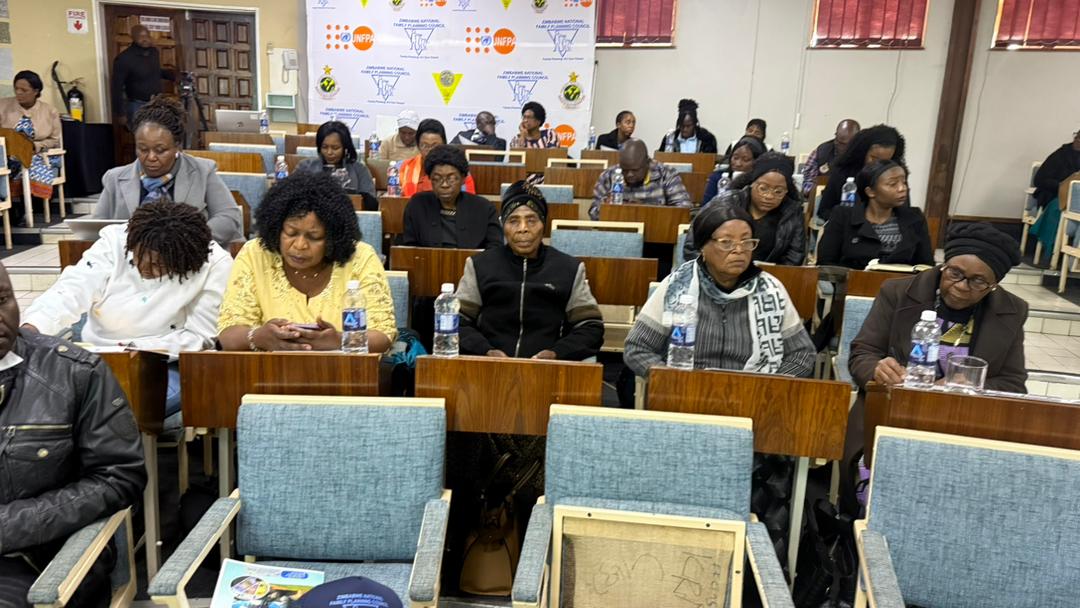
The calls were made during a Zimbabwe National Family Planning Council (ZNFPC) engagement with legislators in Kadoma this Saturday, where participants stressed the need for a multi-sectoral approach to resource mobilisation to ensure sustainable access to contraceptives and reduce reliance on external support.
The engagement focused on advocating for increased budget allocations towards contraceptive procurement and the recognition of family planning as an essential primary healthcare service eligible for funding through health-related taxes, levies and other innovative financing mechanisms.
ZNFPC Chief Executive Officer, Mr Farai Machinga, said family planning should be regarded as a strategic national investment with significant social and economic benefits.
“Family planning is not merely a health intervention but a strategic national investment that contributes to maternal and child survival, women’s empowerment and economic growth. As donor support gradually declines, we are appealing to Parliament to prioritise domestic resource mobilisation and ensure family planning services benefit from health-related taxes and other innovative financing mechanisms. Sustainable funding will help secure contraceptive supplies and protect the gains Zimbabwe has achieved over the years.”
The Ministry of Health and Child Care says family planning remains one of the most cost-effective public health interventions, helping to reduce unintended pregnancies while improving maternal and child health outcomes.
Monitoring and Evaluation Officer in the Ministry of Health and Child Care, Mr Brighton Muzavazi, said increased investment in family planning delivers significant returns for both communities and the national economy.
“Every dollar invested in family planning yields significant health, social, and economic returns. Increased access to contraceptives helps reduce maternal and infant mortality, supports healthier families, and eases pressure on the health system. Strengthening domestic financing will ensure continuity of services and contribute towards achieving national development goals.”
Legislators who attended the interface pledged to advocate for increased funding and stronger policy support for family planning programmes.
Acting Chairperson of the Parliamentary Portfolio Committee on Health and Child Care, Honourable Decent Bajila, said Parliament has a responsibility to ensure critical healthcare services receive adequate support.
“As lawmakers, we have a responsibility to ensure critical health services receive adequate funding. Family planning directly contributes to national development, and we will continue engaging relevant committees and stakeholders to explore sustainable financing options.”
Budget and Finance Committee Acting Chairperson, Honourable Andrew Nkani, noted that discussions highlighted the importance of integrating family planning into broader national financing frameworks.
“The discussions have highlighted the need to integrate family planning into broader national financing frameworks. We will support efforts aimed at ensuring the sector benefits from health-related revenue streams while promoting equitable access to services across the country.”
Figures presented during the interface revealed that Zimbabwe requires approximately US$16 million annually to meet its contraceptive commodity needs, underscoring the urgency of establishing sustainable domestic financing mechanisms.

