



Story by Oleen Ndori, Foreign Desk Editor
SENEGAL has formally endorsed Zimbabwe’s bid for a non-permanent seat on the United Nations Security Council (UNSC) for the 2027–2028 term, marking a significant boost to Zimbabwe’s campaign for global representation.
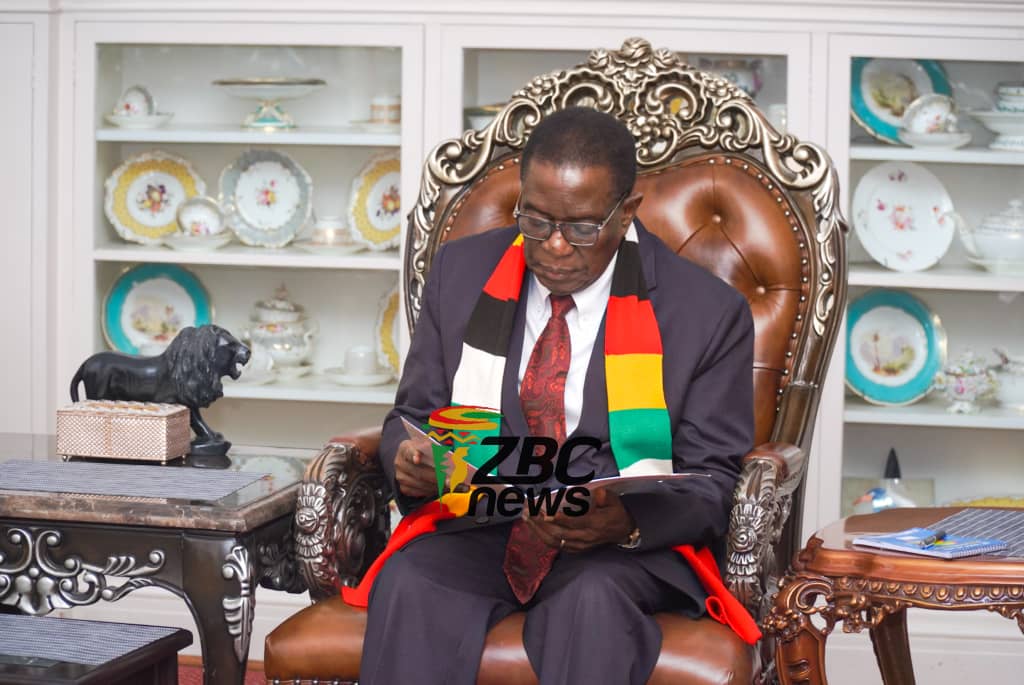
This endorsement was conveyed on Wednesday when Senegal’s Minister of African Integration and Foreign Affairs, Honourable Yassin Fall, paid a courtesy call on President Emmerson Mnangagwa at State House in Harare.
Honourable Fall, acting as a special envoy, delivered a message of solidarity from Senegalese President Massoud Jamal Faye, affirming Senegal’s continued support for Zimbabwe and its aspirations on the international stage.
“I came here today to meet His Excellency Mr President, to present a warm greeting from his brother, His Excellency President Massoud Jamal Faye of Senegal, and express his gratitude for his leadership in Africa and for both of our leaders’ intention to strengthen diplomatic relationship, and economic relationship.
“Senegal has been a very big supporter of Zimbabwe all along and has today very much supported Zimbabwe even as it is in its effort now to be in the Security Council at the United Nations. So we came here to greet the President, to bring him messages of solidarity, messages of greeting. As you know, we also are in a process of pushing Africa’s development, Agenda 2063, and we need strong institutions in Africa and this is also why we came here to discuss with the President,” she said.
During the courtesy call, Honourable Yassin Fall was accompanied by Mr Amadou Hott, a candidate for the presidency of the African Development Bank (AfDB).
Several nations, including Russia, Cuba and India, have already expressed their support to Zimbabwe’s candidacy, which has also been endorsed by SADC and the African Union.
The bid, if won, will be historic for Zimbabwe and Africa as the continent seeks to strengthen its voice on international issues.
The UNSC consists of five permanent members, namely China, France, Russia, the United Kingdom, and the United States, while 10 non-permanent members serve on a rotational basis.
Decisions require at least nine votes out of 15, though any of the five permanent members can exercise veto power.

