



Story by Justin Mahlahla
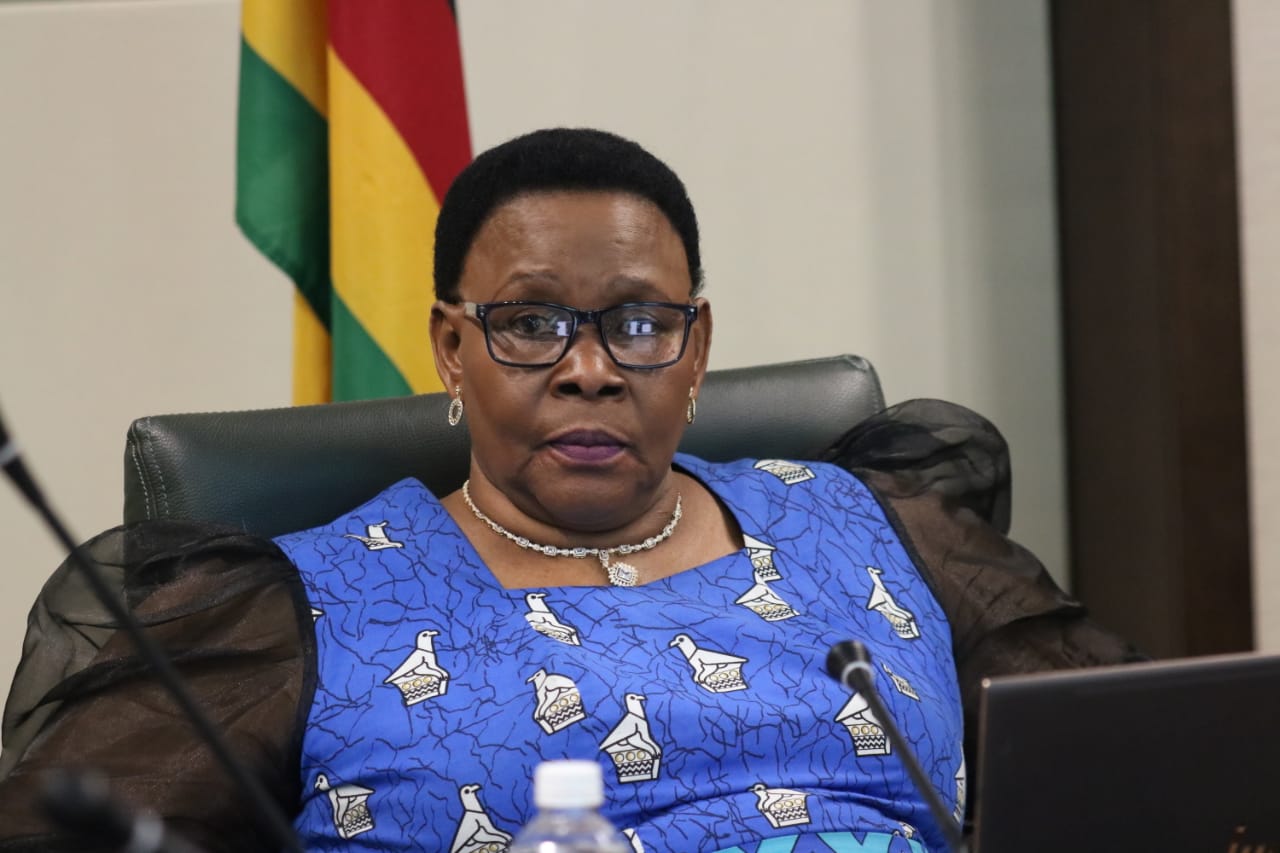
President of the Senate, Honourable Mabel Chinomona, says Zimbabwe has demonstrated a commitment to tackling gender-based violence head-on, through a multifaceted approach that includes awareness campaigns, and engagement of both male and female parliamentarians to champion gender equality and denounce all forms of violence.
She said this while addressing a webinar for African Parliaments preventing and responding to violence against women in Parliaments, hosted by the Inter-Parliamentary Union.
She noted that the campaigns play a crucial role in challenging harmful norms and fostering a culture of respect and inclusivity within Zimbabwean political environments.
“Zimbabwe has also enacted laws such as the Domestic Violence Act and the Criminal Law (Codification and Reform) Act, both of which encompass provisions aimed at preventing and penalizing gender-based violence. These legislative efforts underscore the government’s commitment to creating an environment where women can actively engage in political processes without fear of violence or discrimination.
“Moreover, Zimbabwe has made strides in implementing gender-responsive policies that promote women’s participation in political leadership roles. Through initiatives like the National Gender Policy, efforts are underway to address the structural barriers that hinder women’s full participation in political life,” Hon Chinomona added.
The Senate President noted that despite the efforts and progress registered to date, parliaments must strengthen legal frameworks by enacting and enforcing comprehensive legislation that explicitly criminalises and penalises violence against women in political settings.
“This legislation should include clear definitions, stringent penalties, and avenues for redress, ensuring a robust and unambiguous deterrent against such malpractices,” she said.
“Secondly, we must prioritise education and sensitisation. This extends to the implementation of mandatory training programmes for Parliamentarians and staff on gender sensitivity, equality, and the detrimental impact of violence against women in politics. Through that, we foster a culture of respect and inclusivity within Parliamentary environments, empowering individuals to recognise and challenge any form of discrimination.
“Thirdly, the establishment of support systems is paramount. This includes the creation of confidential mechanisms for reporting incidents of violence, harassment, or discrimination. Additionally, we need to establish comprehensive support systems, including counseling services, to assist victims and survivors, reinforcing the commitment to their well-being and recovery.
“Fourthly, promoting women’s leadership is fundamental to eradicating violence against women in parliaments. We must actively encourage and support women’s participation and leadership. This involves addressing structural barriers, promoting mentorship programmes, and creating opportunities for women to advance in their political careers, ensuring their voices are not only heard but amplified.
“Lastly, it goes without saying that international collaboration is indispensable in this endeavor. We must foster collaboration with international organisations, sharing good practices, resources, and expertise. This must extend to engaging in a global dialogue geared towards collectively combating violence against women in Parliaments, recognising that this issue transcends borders and requires a united, concerted effort,” she said.
Hon Chinomona said as the elected representatives of the people they “have the peremptory obligation to pave the way for a future where the chambers of our Parliaments are sanctuaries of democracy, equality, and justice for all. The time for action is now, and it is in our hands to usher in a new era of inclusivity and respect within our parliamentary institutions”.
She also applauded the IPU for collaborating with the African Parliamentary Union (APU) to conduct a study on Sexism, harassment, and violence against women in Parliaments in Africa.
The study’s findings revealed alarming statistics where, for example, 80 per cent of women parliamentarians participating in the study had experienced psychological violence during their mandates.
It also revealed that 67 per cent have been subjected to sexist behavior or remarks; 46 per cent have been targeted by sexist attacks online, including through internet platforms, social media, and smartphones; 42 per cent have received death threats, rape threats, or threats of physical harm or abduction directed at them or their loved ones; 39 per cent have experienced sexual violence and 40 per cent have been sexually harassed.
The webinar comes as the world begins commemorations to mark the 16 Days of Activism Against Gender-Based Violence whose theme this year is: ”UNITE! Invest to prevent violence against women and girls’.

