



Story by Tichaona Kurewa
THE completion of the second Deka Pipeline in Hwange District is reshaping water access for local communities while reinforcing operations at the Hwange Power Station, Zimbabwe’s largest thermal power plant.
The 42-kilometre pipeline draws water from the Zambezi River to supply the power station, but its impact extends beyond electricity generation. Communities along the route, including Mashala and Mwemba, are now benefiting from a more reliable supply of raw water.
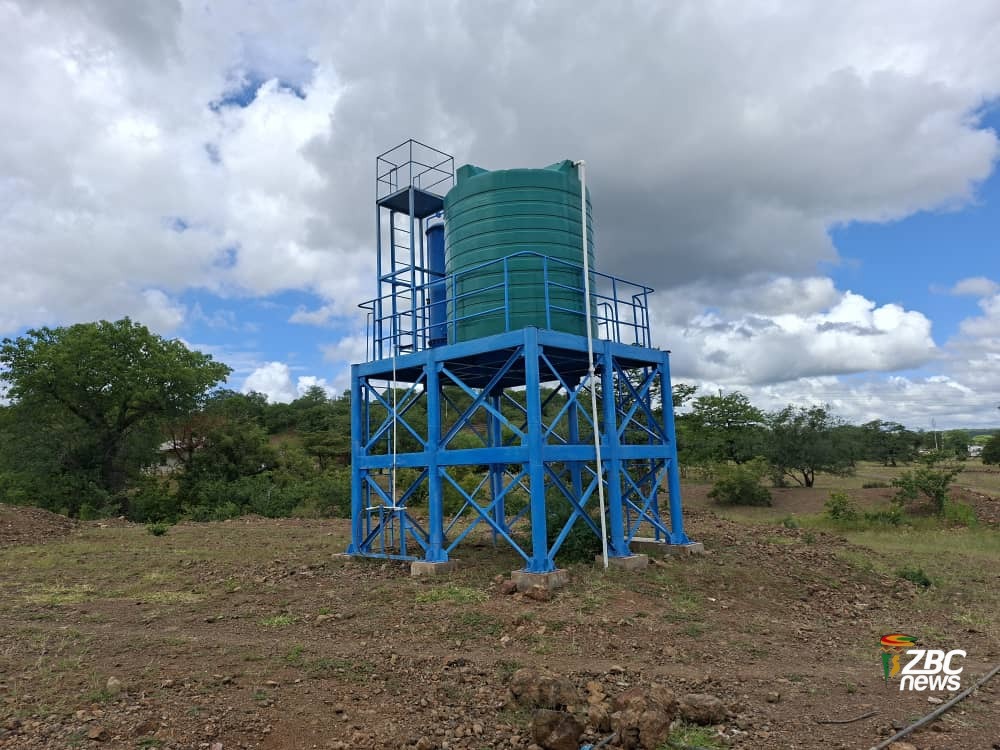
For years, residents relied on distant and often seasonal water sources, affecting health services, livestock management and agricultural activity. The new pipeline has eased those pressures, delivering water to clinics, dip tanks and other critical community infrastructure.
At Mwemba Clinic, Sister Rachel Mugande said the improved access had transformed daily operations.
“We used to travel about 1.5 kilometres to fetch water for use at this clinic. Most of our operations require water, including cleaning and maintaining our nutritional garden. We need water for washing, sanitation and general operations. We thank the Government for providing this water. Our work is now running smoothly, we can clean properly and our nutritional garden is back on track. We are now assured of a healthier environment at this clinic,” she said.
Livestock farmers have also reported significant improvements. Mwemba Dip Tank Chairperson Simon Nkomazana said water shortages previously disrupted cattle dipping schedules.
“We used to fetch water for the dip tank from Kalonga Stream, which is far from here. Sometimes we would go for a week without water, and our cattle would go for up to a month without dipping. Since the pipeline started supplying water, everything has changed. Our operations are now running smoothly, as you can see. We are dipping every week without any challenges,” he said.
Traditional leadership in the district has acknowledged the broader social impact of the project. Chief Hwange, Mr Amos Chipaya, said improved water access had strengthened essential services.
“Water is life, and our community is now benefiting. We thank President Emmerson Mnangagwa for this development, which has brought hope to our area. Previously, there was no water at schools and clinics along the pipeline. That has now changed. Clinics are fully operational, and life has become more bearable for our people. We truly appreciate this development,” he said.
The project, valued at more than US$40 million and constructed with support from the Government of India, was commissioned in 2024. Beyond securing cooling water for power generation, it represents a strategic investment in rural infrastructure and service delivery.
Officials say the initiative aligns with Zimbabwe’s broader development agenda under the National Development Strategy 2, which prioritises water security, energy stability and inclusive economic growth.

