



Story by Memory Chamisa
Member states of the Southern African Development Community (SADC) are actively addressing challenges posed by increasing incidences and intensity of droughts.
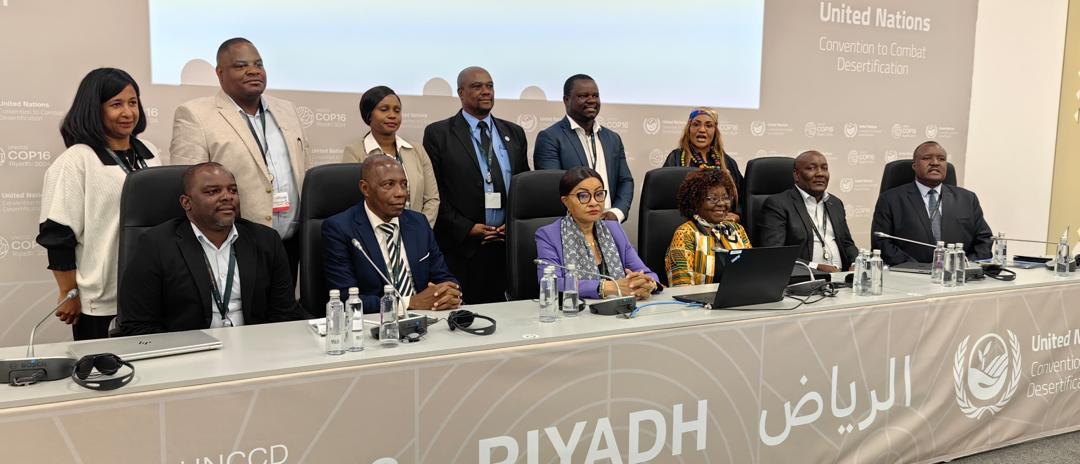
The just-ended 16th Conference of the Parties to the United Nations Convention to Combat Desertification (UNCCD COP16) in Riyadh, Saudi Arabia, hosted a high-level event to mobilise political support and scale up investments for the African Great Green Wall Initiative.
Organised in collaboration with the African Union Commission and the African Development Bank, the event celebrated progress and outlined strategies to enhance land restoration, drought resilience and sustainable development across Africa.
Addressing delegates, Pan African Parliament President, Chief Fortune Charumbira underscored the Great Green Wall’s critical role as a cornerstone of national and regional development, highlighting its contributions to fostering stability and security across the continent.
“The Southern region, including SADC countries, the Sahel, is the most affected area in Africa, but other regions, including Somalia and Ethiopia, also face severe challenges from desertification and frequent droughts. Through an inter-sectoral platform for planning and cooperation, we ensure coherent design and integrated development linked to land use planning and management. Transboundary initiatives maximise ecosystem services, while new financing mechanisms and revenue streams support these efforts,” he said.
The Minister of Environment, Climate and Wildlife, Dr Sithembiso Nyoni highlighted the widespread impact of desertification.
“SADC recognises that effective land management and sustainable development are integral to economic prosperity, food security and environmental protection. This commitment is reflected in various protocols related to forestry, shared watercourses and energy, as well as in a regional programme aimed at protecting land resources through community involvement in natural resource management. National strategies increasingly reflect the need to address competing interests in land use planning.”
She added, “The growing challenges of drought, land degradation and water scarcity require urgent, collective action from SADC member states. By prioritising sustainable land management and ecosystem restoration, and involving local communities in resource management, we can improve food security and climate resilience throughout the region. Learning from successful initiatives like the Great Green Wall and adopting a multi-sectoral approach will help us create effective, context-specific strategies. Together, we can turn challenges into opportunities, fostering a sustainable future for generations to come.”
The regional bloc has outlined strategies to enhance land restoration, drought resilience, and sustainable development across the member states, while addressing urgent funding gaps to accelerate its implementation.

