



Story by Abigirl Tembo, Health Editor
A high-level regional delegation has hailed Zimbabwe’s deliberate and coordinated approach to strengthening household food security, describing the country’s multisectoral food and nutrition governance framework as a model worth emulating.
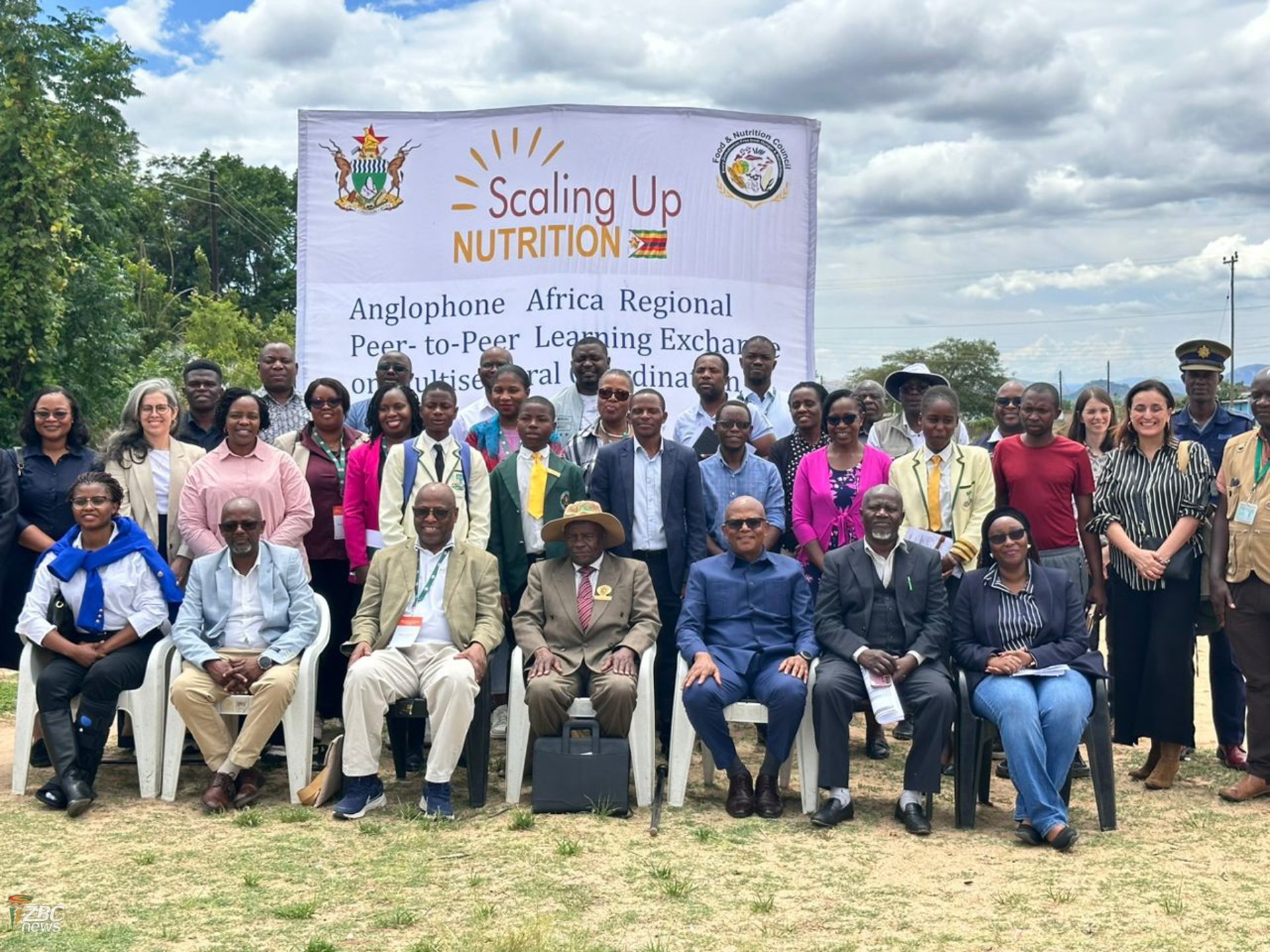
This follows a peer-to-peer learning visit to Murehwa District that showcased how grassroots interventions are translating into tangible national progress.
The delegation, comprising planning and nutrition experts from several African countries, expressed admiration at how Zimbabwe has effectively linked household food production and social protection initiatives to national food and nutrition security goals.
This has been done through a strong multisectoral coordination system that unites local authorities, traditional leaders, line ministries, development partners and communities.
The Murehwa District experience demonstrated how grassroots programmes are strengthening access to nutritious food and reinforcing the country’s broader strategy to combat hunger and malnutrition.
“As a district food and nutrition committee, we have various programmes that are running, including the Zunde raMambo, where the chiefs have their strategic grain reserves for vulnerable households. Then we have nutrition gardens in nearly all the 30 wards. We also have livestock production initiatives, including a thriving goat and cattle breeding scheme in Ward 5. In schools, we have feeding programmes that make sure that all our children have access to balanced meals. Some come from vulnerable families and do not get to have balanced meals. This programme then ensures that they can get at least one nutritious meal,” Murehwa RDC Chairperson and District Food and Nutrition Committee Chairperson, Alderman Amos Gutu said.
“As the junior parliamentarians, we have put in place several programmes on top of the government’s school feeding programme. This includes the Mahewu scheme as well as the fruit tree programme. This ensures that all learners have balanced diets and are healthy and their school performances will obviously improve,” Junior Parliamentarian for Murehwa North, Nqobile Chikungu noted.
“Government has introduced many programmes that are helping us as a district to fight food insecurity. We have the Pfumvudza programme which is ensuring that each household has enough food. We also have the Zunde raMambo, which ensures that those food-insecure households are catered for. These initiatives have been helpful, and we know that very few people will struggle with hunger. If we get good rains, we might not even have a single food-insecure household,” Chief Mangwende said.
The delegation praised Zimbabwe’s approach as evidence that strong coordination and community ownership can deliver meaningful results.
“This has been a valuable learning experience. We have seen how Zimbabwe’s multisectoral nutrition governance structures are well coordinated and functioning effectively. In Murehwa, food security is impressive; most households produce enough food for themselves, and the government, with partners, supports those who do not. Zimbabwe is reducing malnutrition indicators, demonstrating the potential for improved development when stakeholders work together,” Ghana National Development Planning Commission’s Principal Planning Analyst, Nii Odoi Odotei
“This has been an eye-opening experience. Malawi struggles with nutrition indicators, and this learning exchange has provided insights on how to optimise governance and multisectoral collaboration. Zimbabwe’s structured approach to nutrition and food security offers valuable lessons for other countries in the region,” National Planning Commission of Malawi’s Director of Knowledge and Learning, Dr Andrew Jamali noted.
The delegation noted that Zimbabwe’s expanding food and nutrition programmes show the practical impact of strengthening household food systems in supporting national food security.
The country’s structured coordination, leadership and community involvement has been praised for contributing to measurable progress in reducing hunger and improving nutrition outcomes.