



Story by Yolanda Moyo
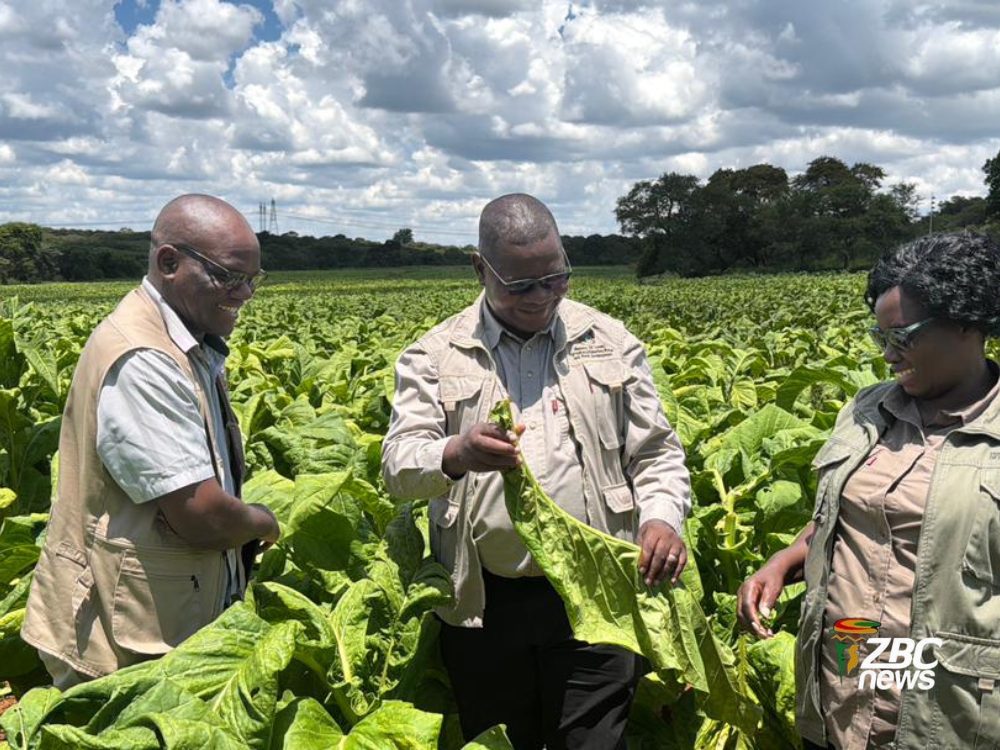
ZIMBABWE’S tobacco sector is undergoing a notable shift as farmers in traditionally drier regions such as Matabeleland North, Midlands Province and Masvingo Province venture into the high-value crop, broadening participation beyond the country’s established tobacco belts.
The expansion into non-traditional regions marks a strategic transition in Zimbabwe’s agricultural landscape, as more farmers move away from conventional staple crops to capitalise on the lucrative golden leaf.
For first-time tobacco farmer Mr Mark Soper in Matabeleland North, the decision was influenced by adaptability and economic potential.
“I am looking forward to the sales because this crop represents a better return on investment than anything I have planted before,” he said.
The growing regional participation has contributed to a record-breaking planting season, with 162 000 hectares put under tobacco this year compared to 144 000 hectares last season.
Authorities say the increased production should now be matched by efforts to enhance sustainability and industrialisation through value addition.
Permanent Secretary in the Ministry of Lands, Agriculture, Fisheries, Water and Rural Development, Professor Obert Jiri called for a shift from exporting raw leaf to processing the crop locally.
“We have seen an increase in terms of farmers growing tobacco and venturing into tobacco in Matabeleland, both North and South, and Midlands. What we want to encourage is that when we grow this leaf, we must not just sell leaf, but also venture into value addition, even primary value addition such as producing cut rag. If we can move into cigarette production, even better. The more production we have, the more we must also focus on value addition and beneficiation. Farmers must also aggregate curing facilities,” he said.
With a projected harvest of over 360 million kilogrammes this year, Zimbabwe is poised for one of its most robust tobacco marketing seasons in recent history. The official selling season is set to commence on March 4, underlining the sector’s continued importance to export earnings and rural incomes.
The broader geographical footprint of production signals growing inclusivity in the sector, positioning tobacco as a key driver of agricultural transformation and rural economic growth.

