



Story by John Nhandara
LEGISLATORS attending the Pan African Parliament (PAP) session in Midrand, South Africa, have emphasised the urgent need to reform the funding models of the African Union (AU) and PAP to effectively realise the ambitious objectives outlined in Agenda 2063.
The Pan African Parliament resumed debate this Tuesday, focusing on the African Union’s funding models and budgetary allocations to the Pan African Parliament.
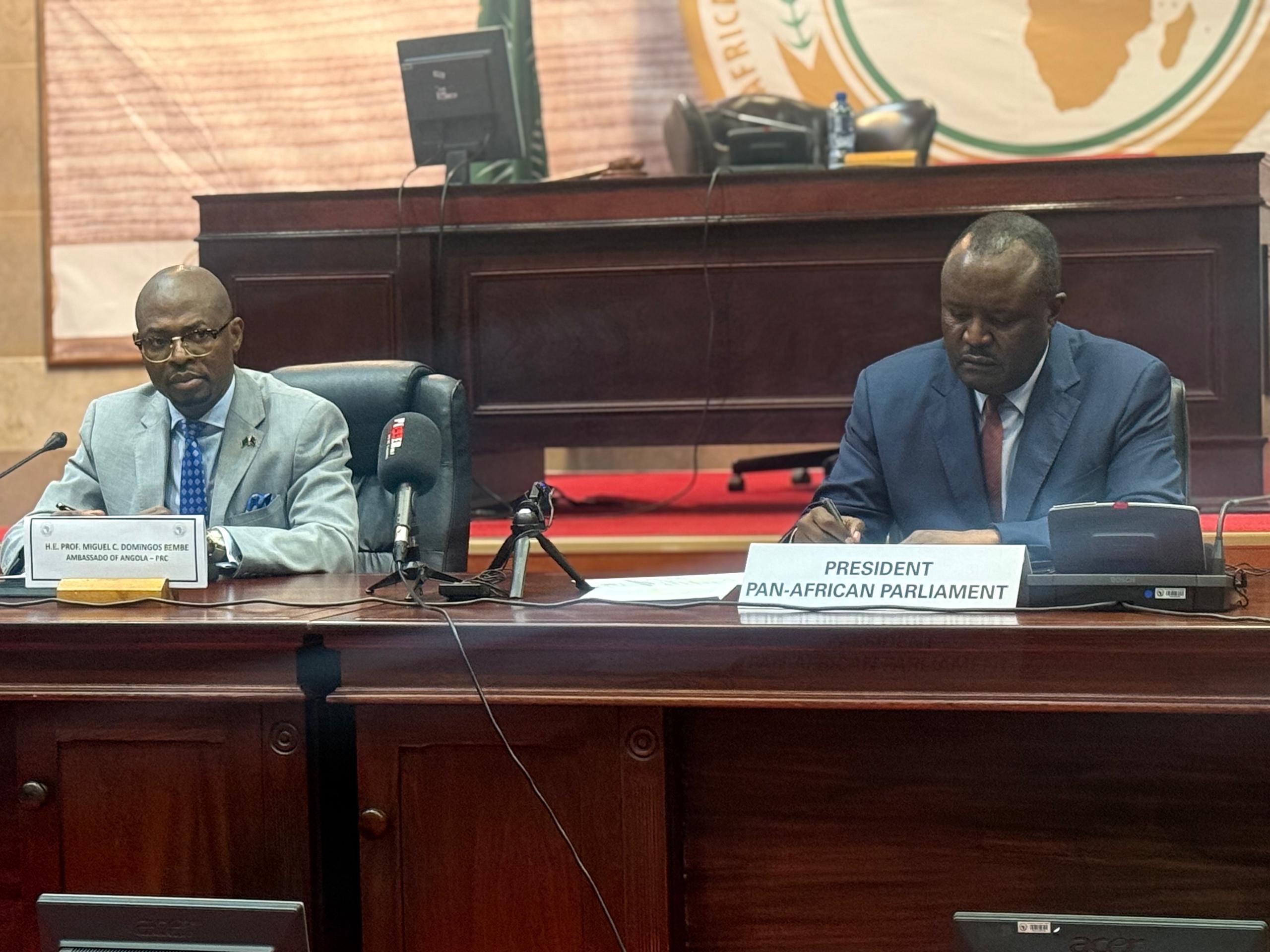
The debate, which was chaired by PAP president, Chief Fortune Charumbira, saw lawmakers expressing concern on funding gaps which they say not only hinder the effective delivery of the African Union’s programmes, but also impact the operational capacity of its various organs, including the Pan African Parliament.
“The AU has established very good institutions, and lack of funding is actually the shortcoming. For us to be able to talk loudly about increasing the funding, we must first discuss the AU’s current performance. It is important, therefore, that AU organs, PAP included, work together to build synergies and adopt the most efficient ways of spending money,” Kenya’s Honourable Margaret Kamar said.
Chairperson of the African Union’s Permanent Representatives Committee subcommittee on budgetary, financial and administrative matters, Ambassador George Orina, reflected on the need for AU’s self-reliance and its ability to fully steer its own development agenda.
“The issue of financing the Union is, therefore, more than just missing the Johannesburg Targets on Self Financing. It is an existential challenge to the continent’s human and economic development and an acute threat to regional and continental peace and security. This then demands of us as a Parliament, as policy makers and as leaders to be at the forefront in articulating a human security-based approach to financing our Union,” he said
The Fifth Ordinary Session of the Sixth legislature of the Pan African Parliament is scheduled to continue until the first of August 2025 and is expected to culminate in resolutions aimed at strengthening Africa’s collective response to its governance, security and economic challenges.

