



Story by John Nhandara
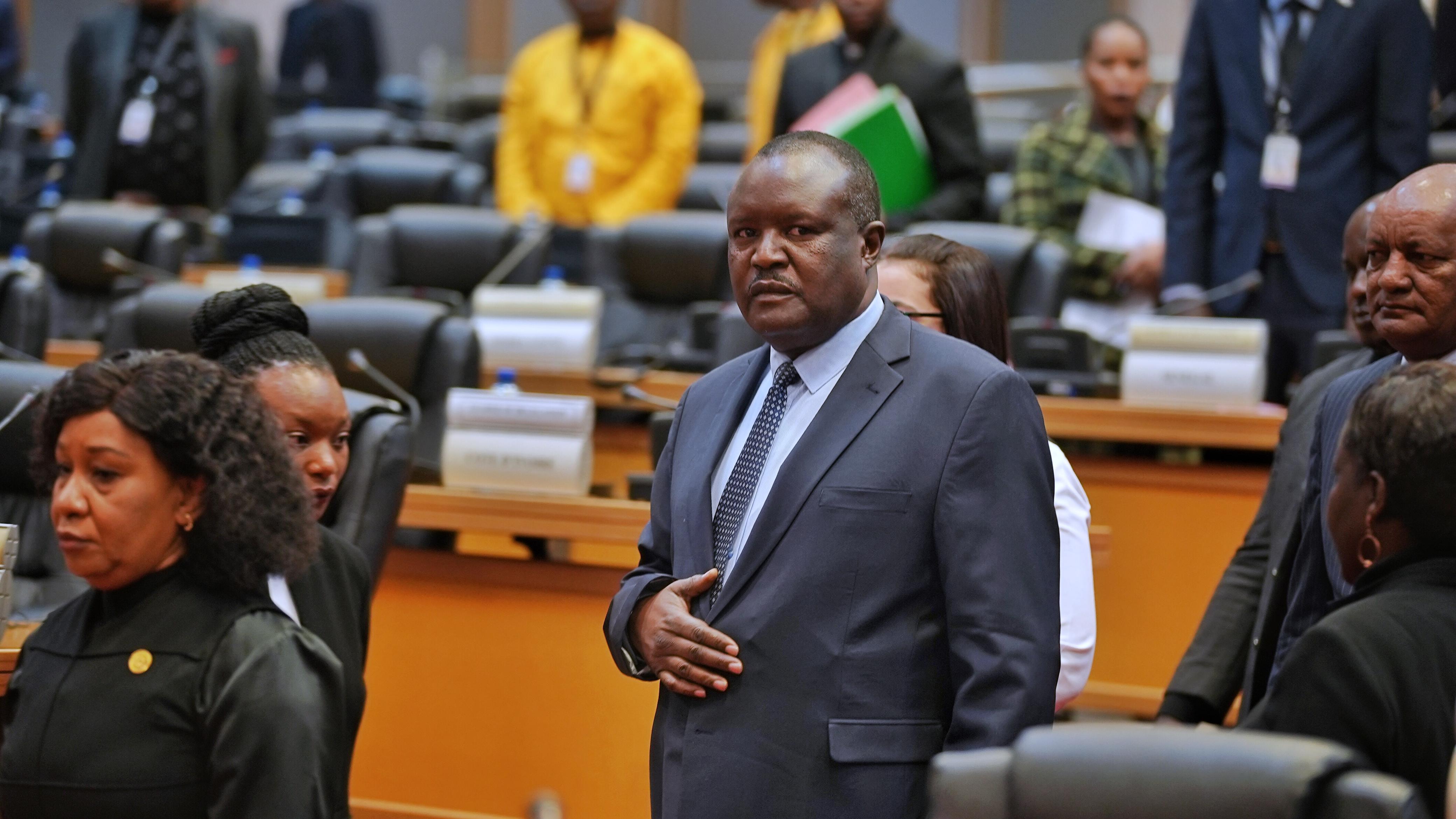
ISSUES around human rights and reparations dominated Pan-African Parliament debate this Wednesday, amid efforts by the organisation to foster a universal culture of respect for human rights, justice and the rule of law across the African continent.
Human rights issues, in particular children’s rights, took centre stage during Wednesday’s Pan African Parliament debate in Midrand, South Africa.
Rapporteur of the African Committee of Experts on the Rights and Welfare of the Child, Honourable Anne Musiiwa, gave an overview of a human rights-based approach to development.
“As you are aware, the implementation of human rights is a collective responsibility that requires extensive collaboration and coordination among the African Union organs. Particularly, the role of the Pan-African Parliament as a continental organ and that of its parliamentarians within their respective national legislatures is not only necessary, but vital to ensuring effective implementation at the domestic level. This is a call to invest in child-centred justice-through education, health, protection, and participation-because there can be no lasting justice for Africa without justice for its children,” she said.
The African Union’s theme: ‘Justice for Africans and People of African descent through reparations,’ was unpacked.
“We think this platform will enable us a chance to integrate reparations into national laws and policies to build continental solidarity on diaspora engagement and promote historical and cultural and educational revival and lasting legal and financial mechanisms for reparations,” Member of the African Commission on Human and Peoples Rights, Dr Lotha Musyimi-Ogana said.
The theme attracted debate from Legislators who argued on the different approaches to reparatory justice.
“If we take a collective position to encourage actions, especially court actions, to be filed, it will be the best way to force reparations to happen in Africa.
“The theme acknowledges historical injustices suffered by people of African descent, including slavery, Apartheid and racial oppression. And seeks to address these injustices through healing, reconciliation, and justice.
“African countries were exploited for a long time, and it is high time African leaders push what belongs to Africa.”
The African Union’s theme on reparatory justice has continued to garner significant attention, as it aims to correct historical injustices, foster unity, and ultimately build a more prosperous and equitable future for Africans.

