



Story by Tapiwa Machemedze
NUTRITION gardens have become a major boost for the school feeding programme in the drought prone Mbire District, providing a vital safety net for children from vulnerable families.
In the scorching heat of Mbire District, three women sit under the shade, carefully slicing fresh green vegetables for drying and storage.
Their efforts may seem modest, but they play a crucial role in improving child nutrition at Tanaka Primary School, where a thriving school feeding programme is transforming lives.
“Today, we are preparing vegetables so that our children can eat. I was inspired to come here because some children come without eating. If we do this, they get adequate nutrition,” one of the women said.
“This programme is good because it is helping children to become healthy and overcome hunger. Some children come without eating, so if they eat here, it helps. A child can concentrate when they have food,” another added.
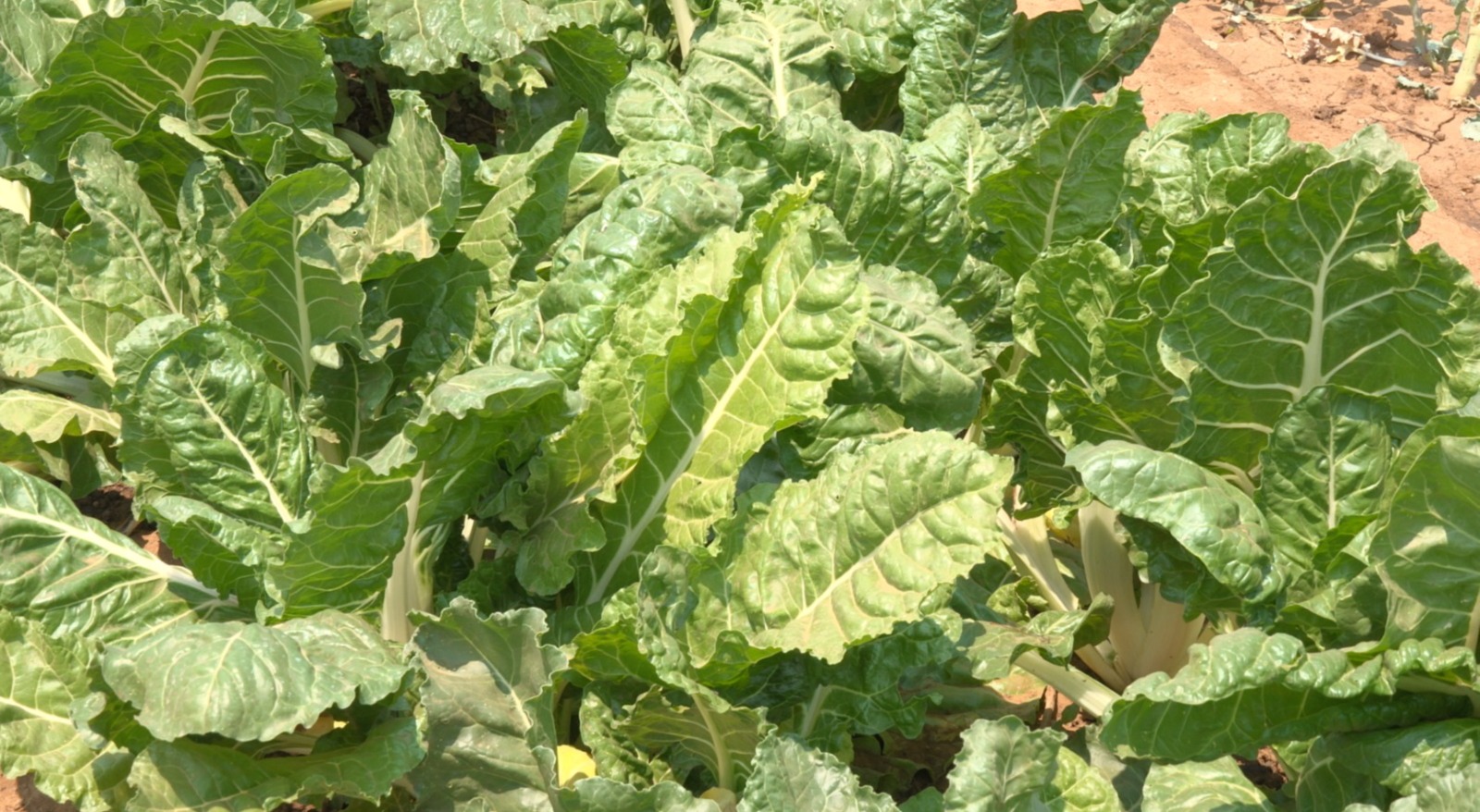
At the heart of the initiative is Tanaka Primary School’s vibrant nutrition garden, which is currently supplying a surplus of vegetables to the feeding programme.
School Head, Mrs Lingani Nemapeni, proudly showcases the flourishing garden filled with a variety of green vegetables.
“We use these vegetables for our feeding programme in our infant department. With the enrollment that we have, we are even feeding up to grade four because we are food secure. We have pumpkins, covo, onions, we have already harvested tomatoes and dried them for future use, there is rape, and fresh tomatoes. Some days we prepare spinach, the other day cob, dried vegetables. We want them to get used to this so they can enjoy.”
Mbire District Nutritionist, Anesuishe Chimuka, who sits on the District Food and Nutrition Security Committee, confirms community and school-based nutrition gardens are reducing child malnutrition and stunting.
“Vulnerable families, if not cushioned in terms of food availability, cases of malnutrition rise. So we are grateful for interventions by the government to support nutrition-sensitive interventions that support agricultural productivity. For Mbire, we are experiencing a rise in nutrition gardens and we are experiencing a rise in community nutrition gardens. These make available different foods to contribute to food diversity.”
Beyond providing daily meals, the feeding programme has been credited with boosting morale, attendance, and learning outcomes.
As climate change continues to threaten food security in areas like Mbire, the government’s ongoing support for school feeding programmes and nutrition gardens is providing a lifeline, ensuring children do not just survive, but thrive in the classroom.

