



Story by Abigirl Tembo, Health Editor
HARARE – ZIMBABWE is stepping up efforts to tackle HIV-related stigma with renewed urgency after new findings showed a concerning rise in the number of people facing discrimination because of their HIV status.
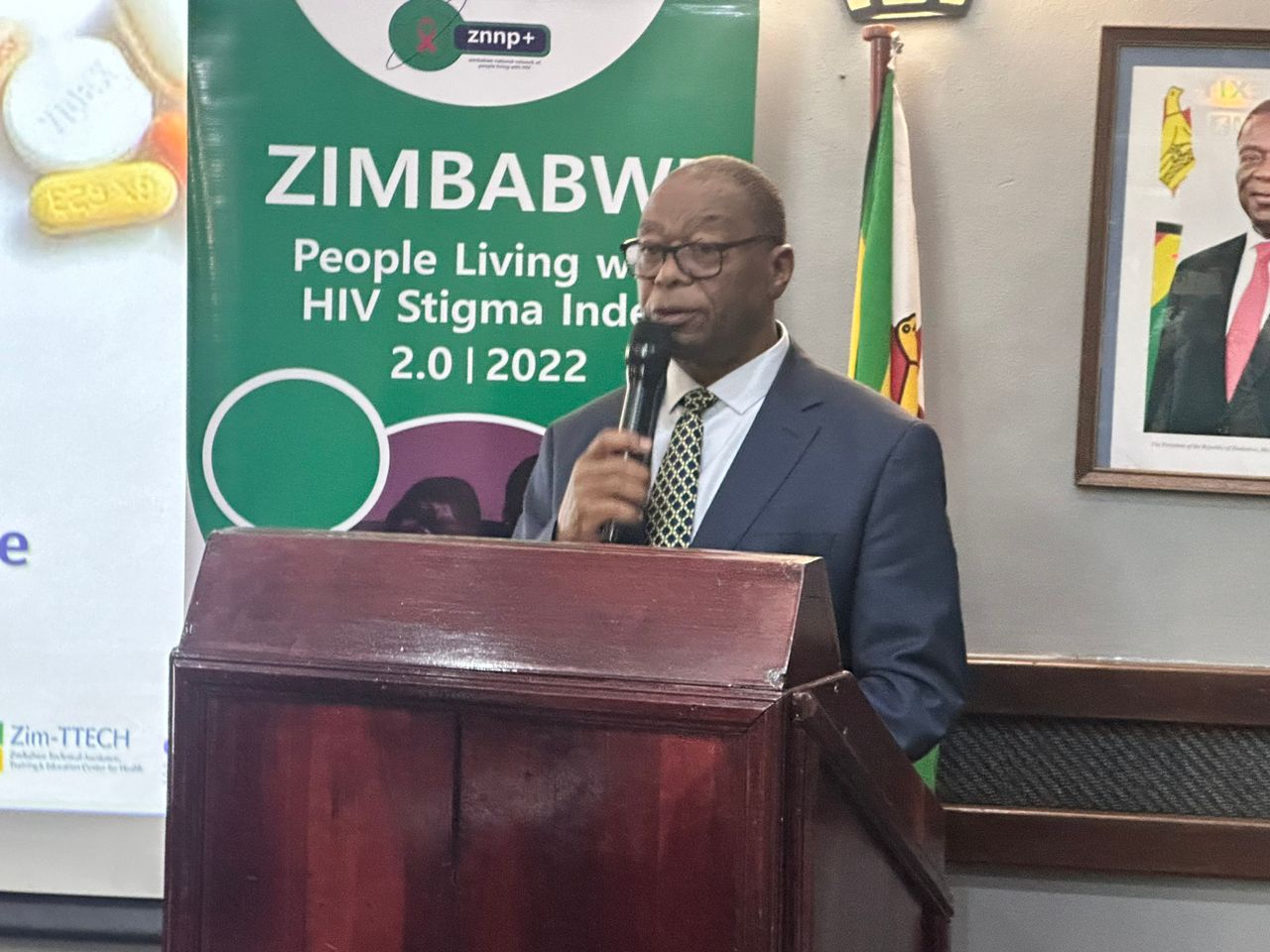
The call was made during a media breakfast meeting held in Harare this Thursday, where government officials, media practitioners and development partners gathered to strengthen the role of the media in fighting misinformation and discrimination.
Addressing the meeting, Zimbabwe National Network of People Living with HIV (ZNNP+) representative Mr Tonderai Mwareka revealed that stigma remains one of the biggest barriers in the national HIV response.
“As an organisation, we conducted what we call a stigma index study, the first one in 2014, which showed that 65.5% of people living with HIV experience one or more forms of stigma and discrimination. A follow-up study was done in 2022, which indicated that there was an increase to 69.7% of people living with HIV experiencing one or more forms of stigma and discrimination, which is a cause of concern, and we need to act so that we address the issue because the global targets are less than 10%. As a country, we are more ambitious. We want 0%, so we have a lot of work to do. That is why we are engaging in multi-sectoral engagements to see how best we can work together to address issues of stigma.
“We also have high levels of internalised stigma, like 48.5% of people living with HIV are experiencing internalised stigma. Unfortunately, it is very high among young people, at 52%, and it calls for a lot of action to be engaged in in order to address it. The net effect of general stigma, internalised stigma, is that people isolate themselves, they start having mental health issues, they start having depression, and that might lead them to default on their medication, stop their medication, not go for their routine medical check-up. And in the process, it leads to high mortality among people living with HIV as a result of advanced HIV disease,” he said.
Speaking on the side-lines of the meeting, the Minister of Health and Child Care, Dr Douglas Mombeshora, stressed the central role of the media in breaking the silence and changing harmful narratives.
“It is very, very important that we deal with the issue of stigma in our people who are living with HIV and AIDS. We think the media plays a very crucial role in informing the public, informing our people living with HIV, that there is nothing wrong in letting people know that you are living with a medical condition. That knowledge can only be disseminated through media, print media, through television, so that everyone is aware that we do not have to discriminate against people living with HIV and AIDS. That is why we think media is very, very important. They must be informed, they have the knowledge, and then they can disseminate correct information to the public,” he said.
As part of its commitment, the Ministry of Health and Child Care pledged to work closely with media houses through training, information sharing, and on-the-ground reporting opportunities.
The goal is to empower journalists to continue reporting responsibly, accurately and compassionately on HIV-related issues.

