



Story by Providence Maraneli
THE revitalisation and expansion of irrigation schemes across Matabeleland South under the National Development Strategy One (NDS1) has transformed once-marginalised farming communities, providing a foundation for increased productivity and climate-resilient agriculture.
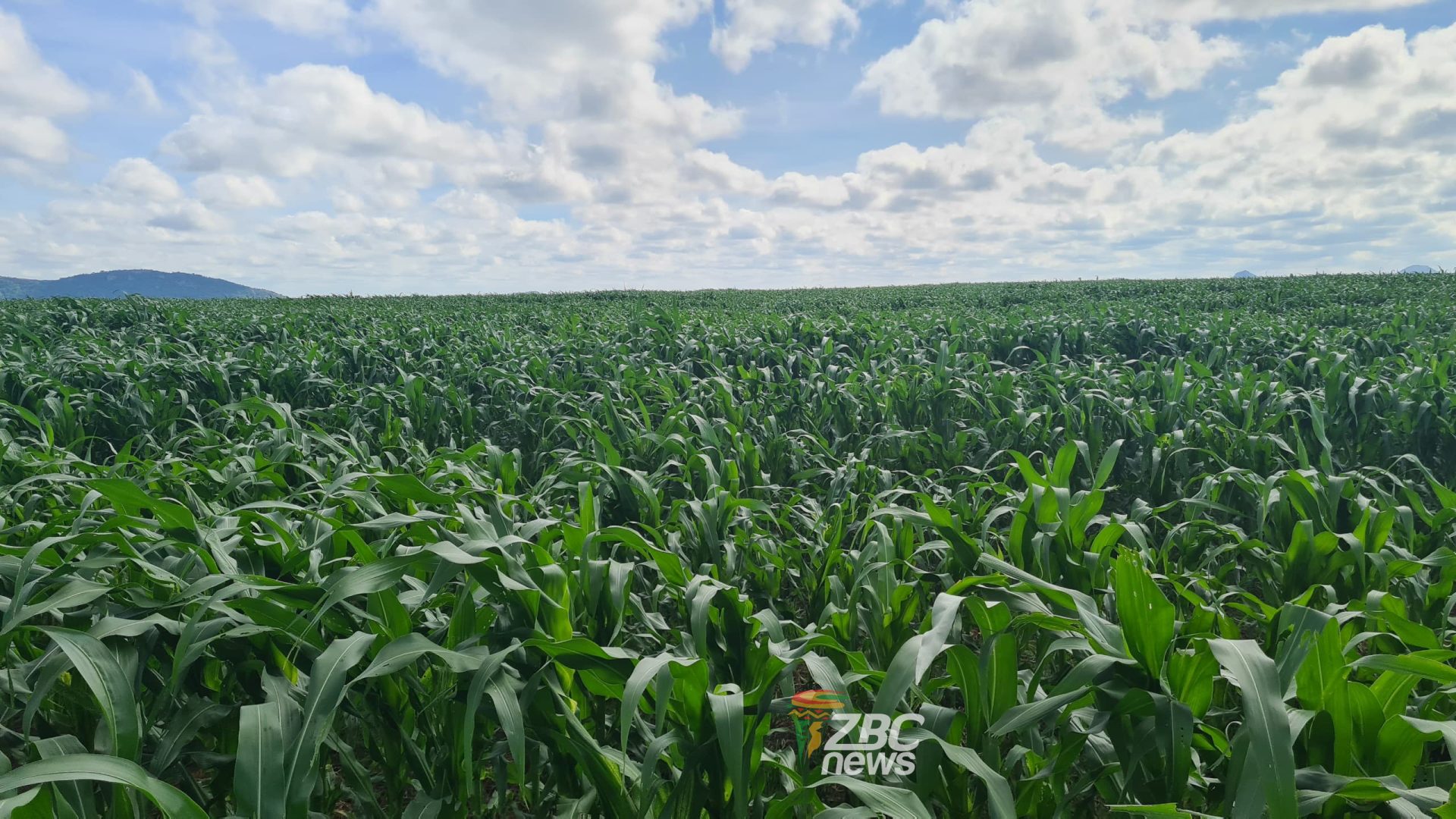
The Valley Irrigation Scheme in Matobo District is one of nine projects upgraded by government and its development partners under the Smallholder Irrigation Revitalisation Programme (SIRP). Farmers say the restored infrastructure has improved crop yields, enhanced food security, and created new income opportunities.
“Before this irrigation scheme was revitalised, we struggled to grow anything. Crops often wilted before harvesting. Now the scheme produces food not only for our households but also for the country,” a local farmer said.
“There has been massive transformation at the scheme and our lives have changed,” another farmer added.
Officials say the irrigation upgrades under NDS1 have laid a solid foundation for the next phase of Zimbabwe’s development agenda under NDS2, which emphasises productivity, commercialisation of smallholder agriculture, and climate resilience.
Mrs Shupikai Sibanda, Provincial Director in the Ministry of Lands, Agriculture, Fisheries and Water, noted: “We are impressed by the performances of most of the revitalised schemes. This was a deliberate approach to ensure that our people’s lives are transformed, and we deliberately ensured that infrastructure and expertise is in place. As we move into NDS2, our emphasis is on productivity.”
Honourable Albert Nguluvhe, Minister of State for Matabeleland South Provincial Affairs and Devolution, said the irrigation drive aligns with the President’s development vision of leaving no one and no place behind.
“As the province, this makes us proud. Our people’s lives have been changed , this is in line with the President’s mantra of leaving no one and no place behind , now these people no longer just grow for consumption but for business.”
With infrastructure in place and communities equipped with skills and resources, the province is poised to increase food production, support rural livelihoods, and contribute to national economic growth under the NDS2 framework.

