



Story by Abigirl Tembo, Health Editor
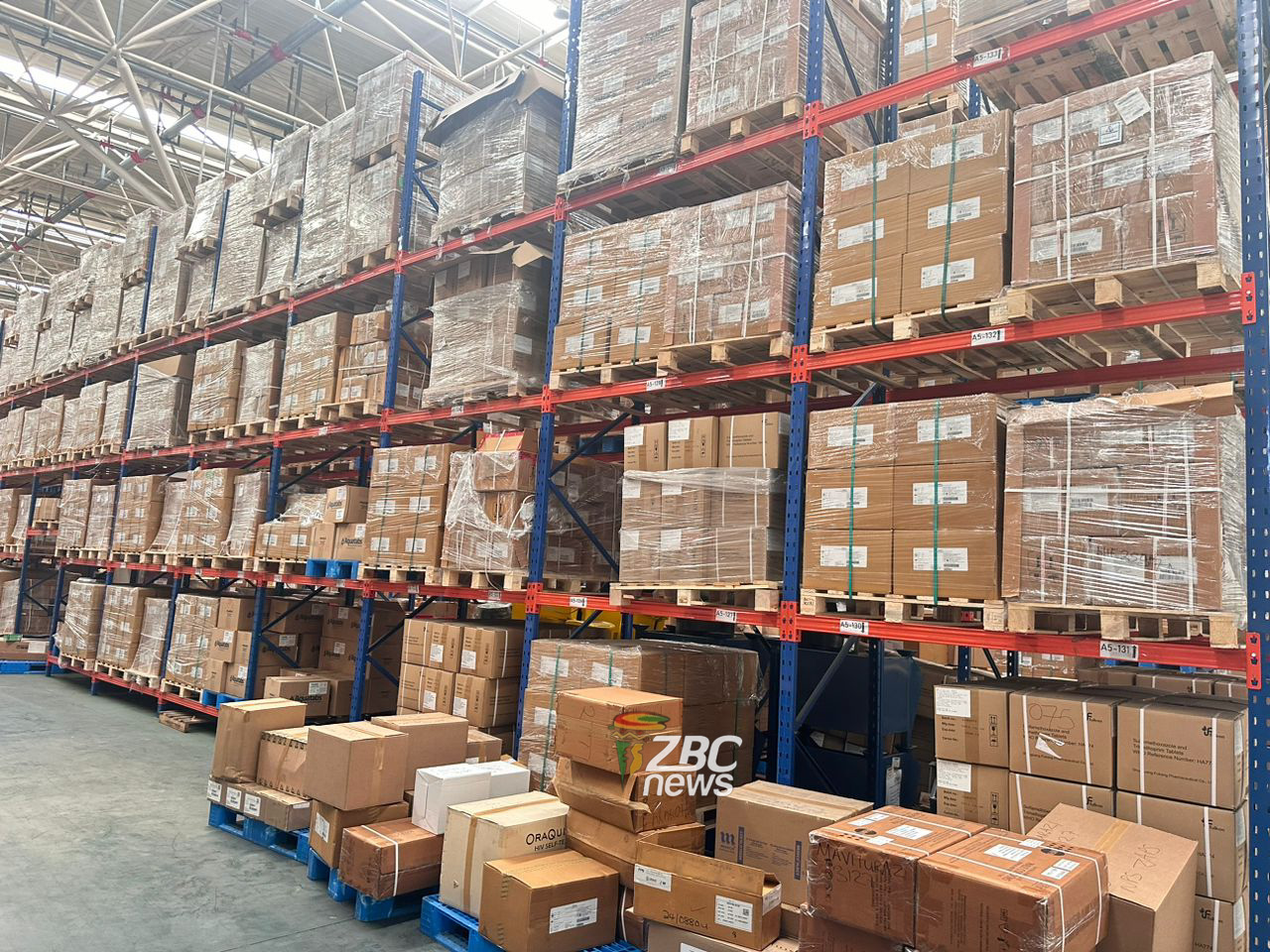
ZIMBABWE’S National Pharmaceutical Company (NatPharm) has made significant strides this year in strengthening the country’s medicine supply chain, improving distribution efficiency, expanding warehousing capacity and ensuring better availability of essential medicines across public health institutions.
This performance aligns with the government’s push under the National Development Strategy 2 (NDS2) to end perennial stockouts and build a resilient, locally supported pharmaceutical system.
Officials report that 2025 has been one of the strongest years for stabilising the nation’s medicine supply chain, marked by improved warehousing, faster distribution and enhanced stock levels.
For years, Zimbabwe’s public health system battled recurring shortages of essential medicines. But this year, NatPharm recorded stronger availability across major drug categories.
“The performance for Natpharm for 2025 has been quite satisfactory given the the plans that we had at the beginning of the year. However, it actually demonstrated that we have the capacity to do even better. It is exciting that we were able to to move stock that had overstayed in our warehouses to various areas it was needed and we saw an increase in availability although not to the levels that we really wanted. We saw a significant improvement in the availability of medicines and deliveries we made to health facilities,” NatPharm Chief Executive Officer Mr Newman Madzikwa said.
One of the biggest success stories this was the establishment of a regional warehouse in Mutare, which has become the backbone of medicine distribution in Manicaland, significantly reducing turnaround times for hospitals and clinics in the east.
“One of our key highlights this year has been the official commissioning of the warehouse in Mutare by His Excellency, our President, Dr. Emmerson Mnangagwa, in October, which will give us an increased capacity to be able not only to distribute commodities in the Manicaland province, but also to receive commodities that come through the Beira port. In 2026, there are a lot of projects that we’re embarking on. Particularly, we are refurbishing our Harare warehouse to make it a pharma-grade warehouse. As you are aware, this is our national warehouse, but we also have a Harare regional warehouse, which is a few meters away from here, and has not been meeting pharmaceutical standards. We are refurbishing that with the aid of the government and our development partners. We are also looking at implementing some of the lessons that we learnt when we were going out to other countries, where we think we are now ready to embark on manufacturing projects,” Madzikwa said.
President Emmerson Mnangagwa is on record saying Government will continue to capacitate NatPharm to guarantee the steady availability of essential medicines.
“I urge the Ministry of Health and Child Care to ensure that the construction of additional regional warehouses in other provinces goes according to plan. This will significantly improve the operational efficiency in the access to medicines, drugs, and medical consumables in our health service delivery system and further enhance our quest to achieve Universal Health Coverage. Going forward, I want to assure the nation that the Government will continue to capacitate NatPharm, to ensure the availability of medicines. At the same time, the need to stimulate national self-reliance and productivity through the local manufacturing of medicines and medical equipment remains critically important. It is praiseworthy that since 2018, there has been a 56% increase in the number of pharmaceutical manufacturing entities from 9 in 2020 to the current 14. I, however, challenge Government players together with the private sector, institutions of higher learning, as well as Development Partners to scale up collaboration so that we add on to the current plants,” he said.
NatPharm’s distribution performance has also improved significantly this year. The parastatal has expanded its trucking fleet and introduced scheduled delivery calendars, which hospitals say have brought predictability to their medicine supplies.
From strengthened regional warehouses to predictable deliveries and fuller shelves in public hospitals.
NatPharm says the progress made this year marks a turning point in Zimbabwe’s fight against medicine stockouts. The next phase, they say, is to build on these gains and move towards full pharmaceutical stability under NDS2.

