



Story by Memory Chamisa
ZIMBABWE’S election to the United Nations Security Council (UNSC) has been identified as a strategic opportunity to advance women’s participation in decision-making, peacebuilding and conflict-resolution processes.
More than two decades after the adoption of United Nations Security Council Resolution 1325 on the Women, Peace and Security Agenda, stakeholders say Zimbabwe’s position on the Security Council provides a platform to champion gender equality and promote the meaningful inclusion of women in peace and security initiatives at regional and global levels.
Evidence from UN Women indicates that the participation of women in peace processes helps reduce violence, strengthens peacekeeping efforts, enhances accountability and increases the prospects of sustainable peace agreements.
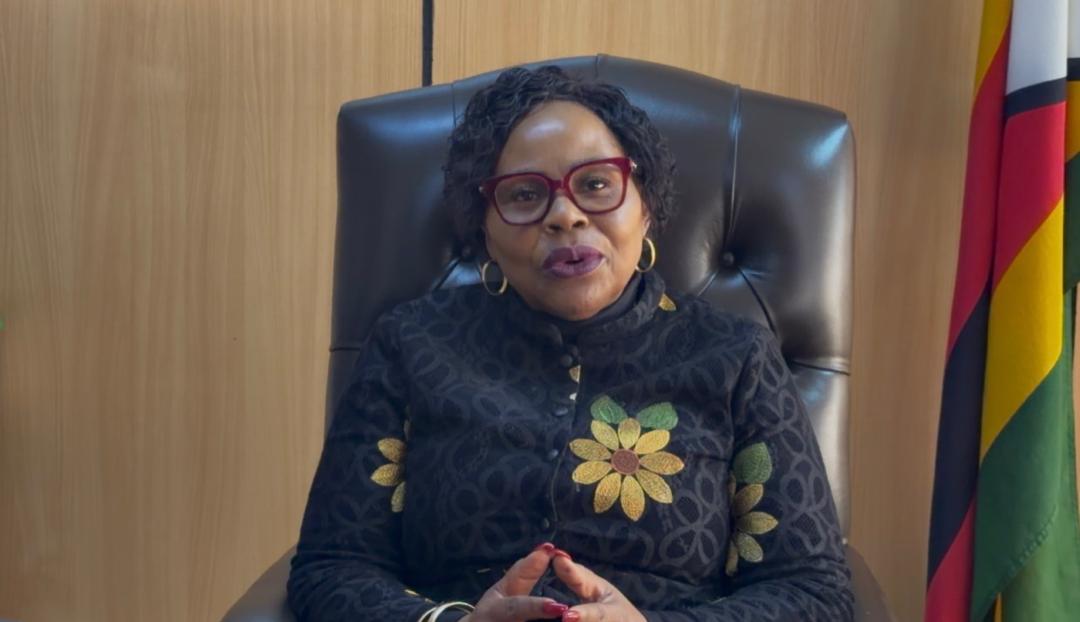
Minister of Women Affairs, Community, Small and Medium Enterprises Development, Senator Monica Mutsvangwa said Zimbabwe’s election as a non-permanent member of the Security Council presents an opportunity to advance the Women, Peace and Security Agenda.
“The Women, Peace, and Security (WPS) agenda is a global normative framework established by UN Security Council Resolution 1325 in 2000. It mandates the protection of women and girls from conflict related gender based violence and guarantees their equal participation in peace negotiations, conflict prevention, and post conflict reconstruction.”
She said the resolution marked a turning point in recognising the impact of conflict on women and the importance of their involvement in peace processes.
“Zimbabwe’s seat is not only going to advance women’s rights but show that if included in negotiations, the outcome will last,” she said.
Senator Mutsvangwa underscored the need to integrate gender perspectives into peace and security frameworks and ensure women are represented at all levels of decision-making.
“When women are at the negotiating table, peace is likelier, more inclusive, and more durable.”
She added, “All decisions about peace and security, from local councils to the international stage, must include women. With equal and meaningful participation, peace and security processes are more inclusive, and therefore more legitimate and more durable.”
Zimbabwe was elected as a non-permanent member of the United Nations Security Council for the 2027–2028 term during a United Nations General Assembly election held in New York this month.
The election is being viewed as a significant diplomatic achievement that also strengthens Zimbabwe’s re-engagement efforts and its capacity to advocate for African interests and multilateral cooperation on the global stage.

