



Story by Providence Maraneli
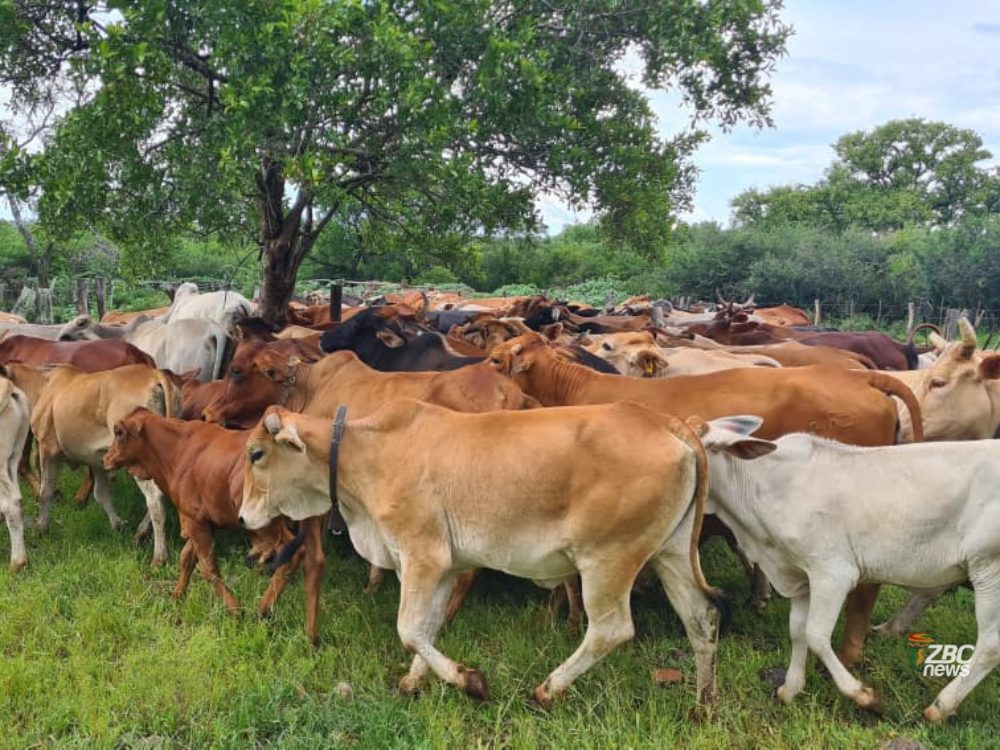
MATABELELAND South Province is recording significant progress in the fight against January disease, following sustained government intervention through the provision of dipping chemicals and strengthened veterinary surveillance.
The province, long regarded as a key cattle breeding hub, was dealt a severe blow in 2022 when an outbreak of January disease devastated herds at Lancaster farms in Insiza North, wiping out thousands of cattle and threatening livelihoods.
At the height of the outbreak, some farmers lost almost their entire herds. One farmer who owned more than 250 cattle was left with just 20, underscoring the scale of the crisis and the vulnerability of the provincial herd.
In response, government intensified its disease control measures, rolling out dipping chemicals and enforcing strict adherence to recommended dipping regimes. Since last year, veterinary authorities say no new cases have been reported in the affected areas.
“It was a difficult period, many people closed kraals, we were saved by adherence to the veterinary calls, we quickly adopted the 5-5-4 dipping regime, and we have not received any report in the farm,” Pencilmark Farm Manager, Vusumuzi Thebe noted.
“We had 257 cattle and now we are left with 64. It was devastating, but the campaign by the veterinary officers worked,” one farmer said.
“Now we are in mid-January and we have not received any case, it shows that we are winning the fight,” another added.
With the outbreak now contained, the Veterinary Services Department is urging farmers across the province to replicate the Lancaster farms model to ensure complete eradication of the disease.
“We are happy that the Lancaster outbreak has been dealt with. This is a success story because farmers lost thousands of cattle, but through campaigns and provision of dipping chemicals and adoption of the prescribed dipping regime, we have managed to control the disease,” Provincial Director Veterinary Services Department, Dr Enat Mdlongwa said.
Authorities say the progress aligns with the objectives of the National Development Strategy 1, under which government prioritised restoring the national herd as a key pillar of rural livelihoods, food security and economic resilience.
Veterinary officials continue to emphasise vigilance, warning that sustained compliance remains critical to preventing future outbreaks.

