



Story by Tamuka Charakupa
A youth-led agro-tourism enterprise in Mhondoro-Ngezi, Mashonaland West Province, is reshaping perceptions of rural economies by demonstrating how innovation, entrepreneurship and land utilisation can drive sustainable development.
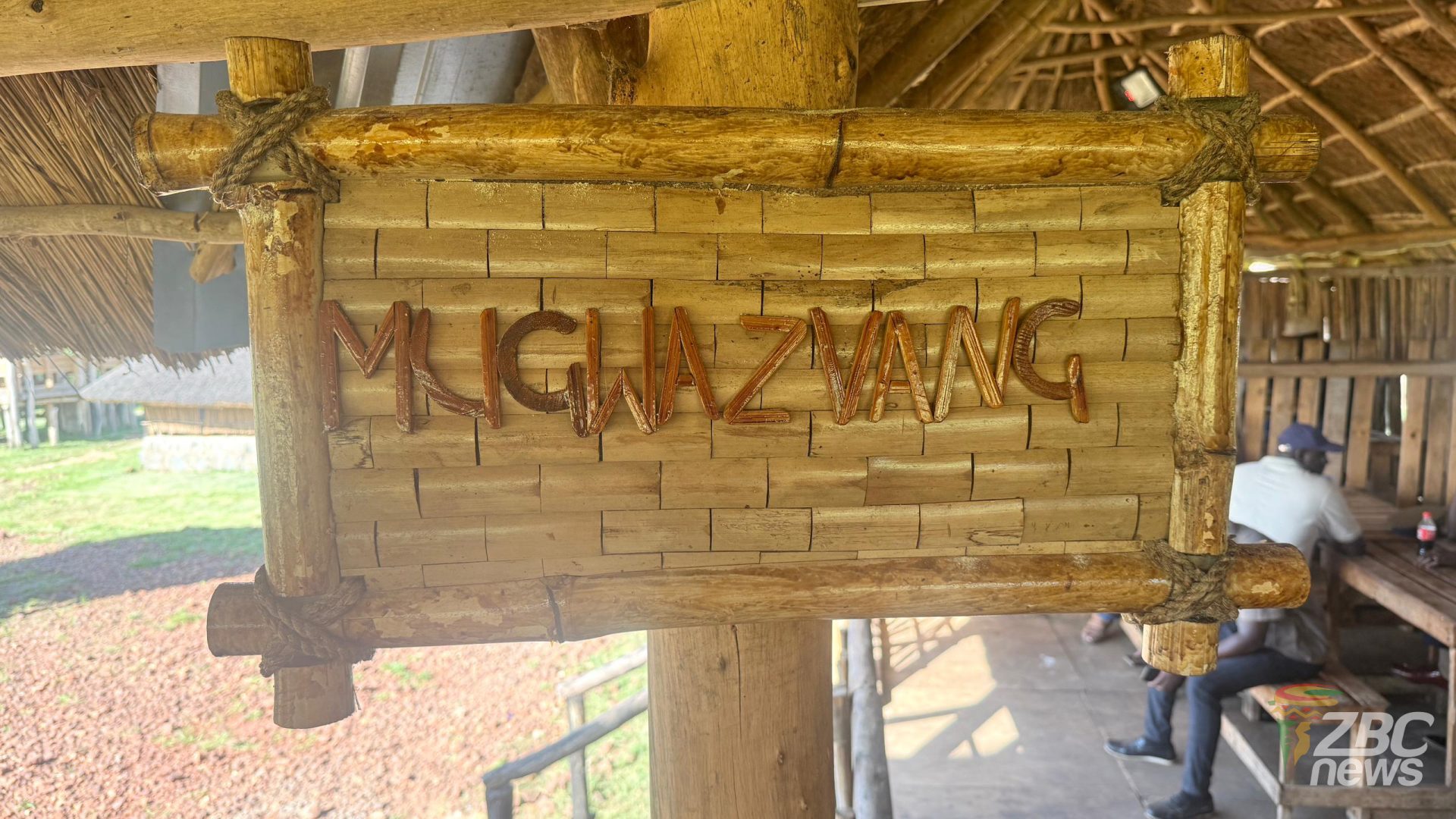
KwaTerry, an agro-tourism restaurant based in Ngezi Turf, has evolved into a growing commercial venture that attracts visitors from across Zimbabwe and beyond, while creating employment opportunities and reliable markets for local producers.
Founded by young entrepreneur Terrence Maphosa, the venture draws on his rural upbringing to blend agriculture, culture and hospitality into a single business model that offers visitors an authentic rural experience while anchoring local economic activity.
“KwaTerry was born out of a realisation that our rural areas hold immense untapped potential. Growing up in this community, I understood the land, the people, and the culture, and I felt there was an opportunity to transform that into something productive. Agro-tourism allowed us to combine agriculture, culture, and hospitality, giving visitors an authentic rural experience while at the same time creating value for the local community,” Maphosa said.
Maphosa said his academic background played a critical role in the growth of the business by enabling strategic thinking and partnerships beyond the local community.
“My background in Political Science helped me to think strategically and to build professional relationships beyond the community. Through networking, mentorship, and exposure, I was able to access ideas, partnerships, and markets that have contributed to the growth of KwaTerry. This shows that education, when combined with innovation, can create real economic opportunities even in rural settings,” he said.
Beyond its tourism offering, KwaTerry has become a source of stable employment and income for residents in the surrounding areas.
“I am grateful for the opportunity to work at KwaTerry because it has given me stable employment here in my own community. Through this job, I am able to earn a living, support my family, and gain valuable skills in hospitality and customer service. This has shown me that there are real opportunities for young people in rural areas if we are willing to work hard and use the resources around us,” one beneficiary said.
Local farmers have also benefited from the enterprise through guaranteed markets for their produce.
“KwaTerry has become a reliable market for us as local farmers. We now supply vegetables, poultry, and other farm produce directly to the restaurant, which means we no longer struggle to find buyers. This has improved our incomes and encouraged us to increase production, knowing that our produce is supporting a local business and benefiting the whole community,” beneficiaries said.
The initiative has drawn government attention, with officials encouraging youths to utilise ancestral land productively.
“Government continues to encourage young people to make productive use of their ancestral land. What we are seeing at KwaTerry is a clear demonstration that land, when properly utilised, can create employment, generate income, and contribute to national development. Youths must move away from viewing land as a dormant asset and instead see it as a foundation for production, value addition, and sustainable livelihoods,” Permanent Secretary in the Ministry of Lands, Agriculture, Water, Fisheries and Rural Development, Professor Obert Jiri said.
KwaTerry’s success aligns with national efforts to promote agro-tourism, a concept being championed by the First Lady, Dr Auxillia Mnangagwa, as part of broader initiatives to harness natural resources while showcasing Zimbabwe’s cultural heritage.

