



Story by Tapiwa Machemedze
RAPIDLY spreading invasive plant species are threatening grazing land and rural livelihoods in Mbire District, Mashonaland Central, with farmers warning of worsening pressure on livestock systems.
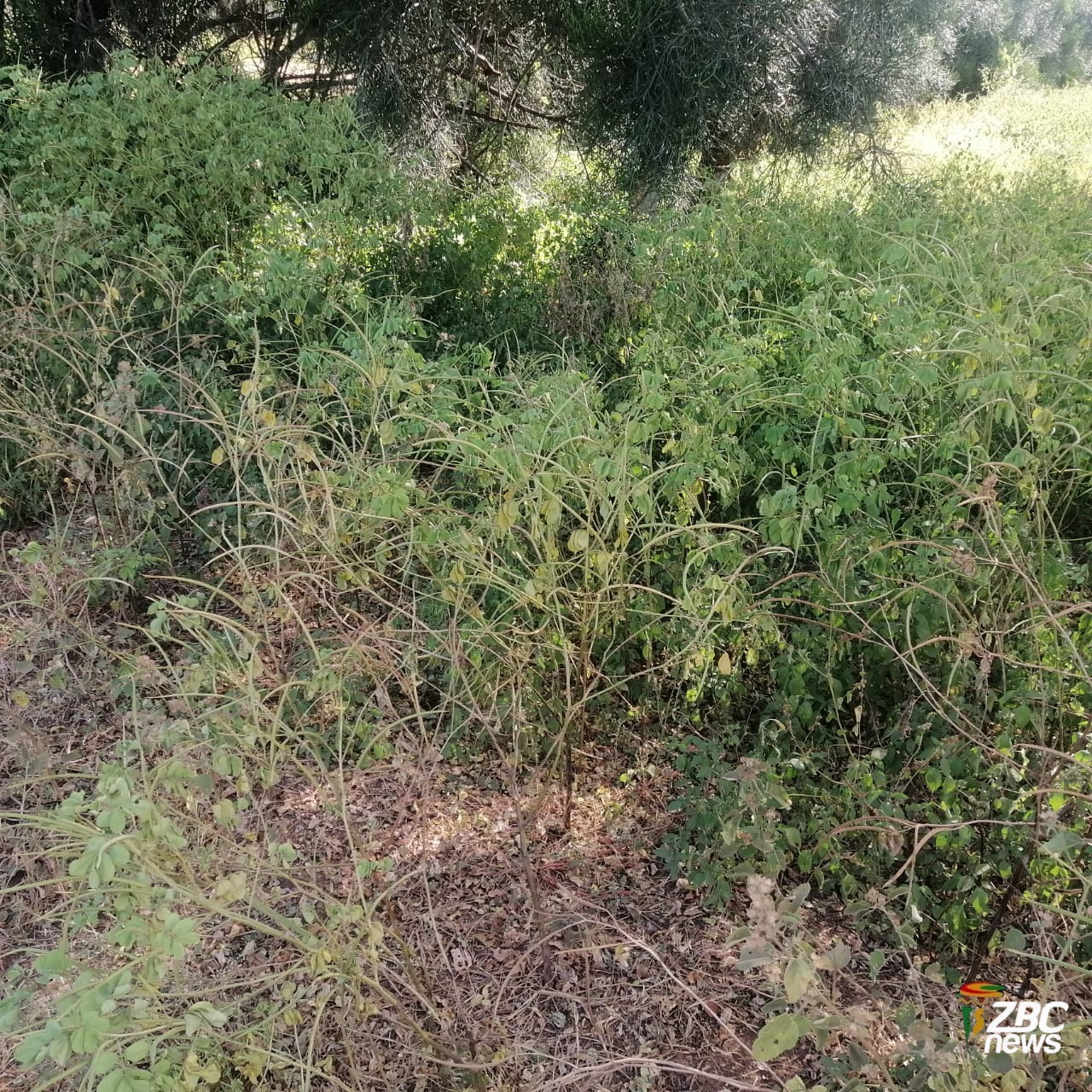
Aggressive alien plants, notably cassiatora locally known as chinzungu and the pink morning flower, are advancing across large tracts of land, crowding out natural pasture and undermining biodiversity.
Despite its lush green appearance, cassiatora is not palatable to cattle or goats, effectively shrinking available grazing land in a district heavily reliant on livestock.
“We call this plant chinzungu. It is not eaten by cattle or other livestock. Instead, it spreads across the land, preventing grass and shrubs from growing. As the dry season approaches, it hardens, increasing the risk of wind erosion and putting our soil in danger,” livestock farmer Mr Tavhiringwa Mwanza said.
Ward 2 Councillor and Environmental Committee Chairperson Forget Mandevhana said the origin of the plant remains unclear, but its impact is already severe.
“We believe it spreads through floods and may have been introduced through food aid. Our animals avoid it completely. When it grows, it provides shade and prevents pasture from developing, leaving the land exposed to degradation,” he said.
The Environmental Management Agency (EMA) has intensified awareness campaigns, urging communities to take collective action to curb the spread of invasive species.
“We are deeply concerned by invasive alien species. Under the Environmental Management Act, Section 116, local authorities, farmers and traditional leaders are encouraged to eradicate them. We have been conducting field days in Rushinga, Mbire and Muzarabani, and we continue to urge farmers to remove these species,” EMA Mashonaland Central spokesperson Mr Maxwell Mupotsa said.
Authorities are also monitoring other invasive plants, including the apple of sodom, as part of broader efforts to protect ecosystems and sustain agricultural productivity.
Experts warn that without urgent intervention, the unchecked spread of these species could permanently alter Mbire’s ecosystem, with long-term consequences for both livelihoods and biodiversity.

