



Story by John Nhandara
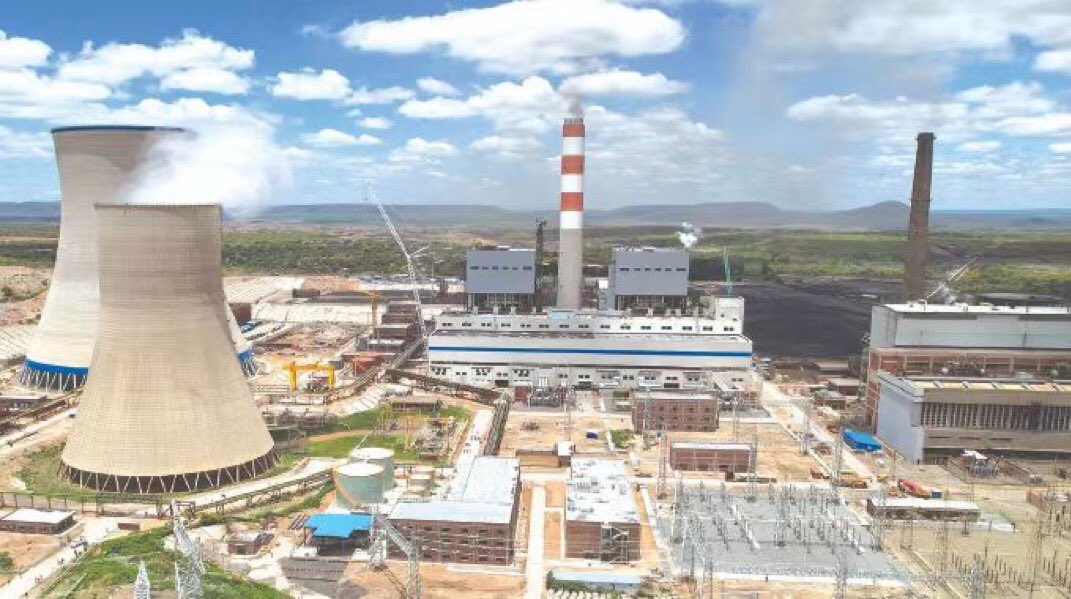
The country’s power utility, ZESA Holdings, is finalising an agreement with Jindal Limited of India for the repowering of Hwange Thermal Power Station Units One to Six as the government pursues various strategies to increase electricity supply.
ZESA Holdings is putting in place short and long-term modalities to improve the power situation in the country to bridge the gap between demand and supply in the energy sector.
The measures include the US$800 million repowering project of Hwange Unit One to Six that will result in improved and consistent power output from the current average of 485 megawatts to 840 megawatts.
Works on unit 5 have already commenced with the power utility in the process of finalising the agreement with Jindal Limited of India.
ZESA Holdings executive chairperson, Dr Sydney Gata, said Jindal is also set to invest in an additional four new units at Hwange Thermal Power Station with a capacity of generating 1 200 megawatts.
“ZESA Holdings is finalising an agreement for the repowering of Hwange units 1 to 6 with Jindal of India. The project will be executed unit by unit for the next 36 to 48 months with works having commenced on unit 5 using local resources. Jindal will also invest an additional four units at Hwange. Feasibility studies for these have commenced,” he said.
Other initiatives on the cards include solar projects that will see the power utility generating 400 megawatts, while productive farms are set to contribute 120 megawatts of solar power, with a 300-megawatt solar plant set to be established by smelting companies.
“ZESA is preparing many sites for deployment of its solar power generation. Studies are being taken to the bankability stage, and these will be developed through several strategies, including partnerships. Sites for 400 megawatts have already been developed. Resources are also being mobilised to set up 120 megawatts at productive farms. This will ease demand from the farming load on the system,” added Dr Gata.
The power utility is also anticipating returning to higher production of around 700 megawatts at Kariba Hydro Power Station as water flows normalise in the coming seasons.
The country’s demand for electricity hovers around 1850 megawatts per day.

