



Story by Fungai Jachi
HARARE-ZIMBABWE is ready to host a high-level joint meeting of Southern African Development Community (SADC) Ministers responsible for Education and Training, and Science, Technology and Innovation, where key policy matters impacting the region’s human capital development and innovation ecosystem will be tabled.
The strategic gathering, set to take place in Harare from Tuesday through to June 20, seeks to foster regional integration through harmonised education systems and aligned innovation frameworks.
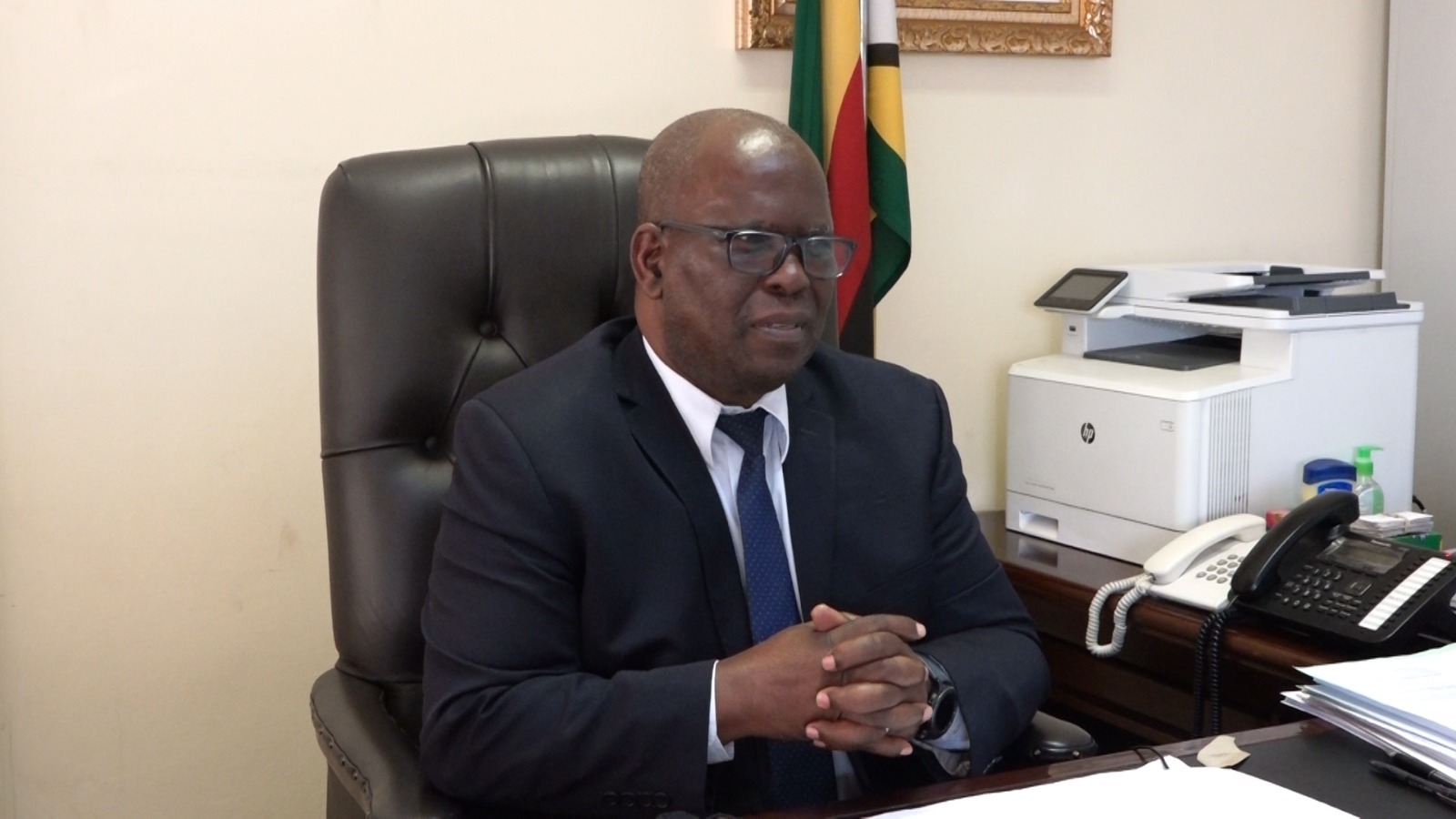
Permanent Secretary in the Ministry of Higher and Tertiary Education, Innovation, Science and Technology Development, Professor Fanuel Tagwira, told ZBC News that the platform provides a vital opportunity for the region to collectively shape the future of its education and industrialisation agenda.
“We are ready to host this crucial meeting which will shape the direction of the education landscape in Southern Africa. Our education, as Africa, has not always aligned with developmental needs. Zimbabwe has taken the lead through the adoption of the Education 5.0 model, and other countries in the region are beginning to recognise the importance of transformational education,” he said.
Key issues on the agenda include the establishment of a SADC Institution of Transformation, envisioned as a regional university that will coordinate programmes aimed at accelerating the industrialisation of the region.
Another major talking point is the operationalisation of the SADC Qualifications Framework, which aims to harmonise degree structures across member states.
“We will also be talking about the SADC qualifications framework which is very critical because the whole region must have a harmonised qualification framework. We are also discussing issues of SADC minimum bodies of knowledge for degree programmes to ensure that students can move from one SADC University to another without being hindered by the fact that the programs they are doing even if they have the same name are different, so there is that harmonisation process that is taking place,” explained Professor Tagwira.
The conference is also expected to explore deeper collaboration in regional innovation systems, aimed at fostering knowledge-driven industrialisation and sustainable development across the bloc.
This significant gathering comes at a time when the region is seeking to reposition its education systems as engines for industrial growth, innovation, and integration.

