



Story by Peter Chivhima
ROAD infrastructure across Zimbabwe is undergoing a visible transformation under the Emergency Road Rehabilitation Programme (ERRP) spearheaded by the government.
Once pothole-ridden and neglected, many roads are now being upgraded into smooth, safer highways, signalling a renewed commitment to improving national connectivity and boosting economic activity through enhanced transport infrastructure.
In Harare, key arteries such as Seke Road, High Glen Road, Airport Road, and Alps Road have undergone major transformation, giving the capital a new face.
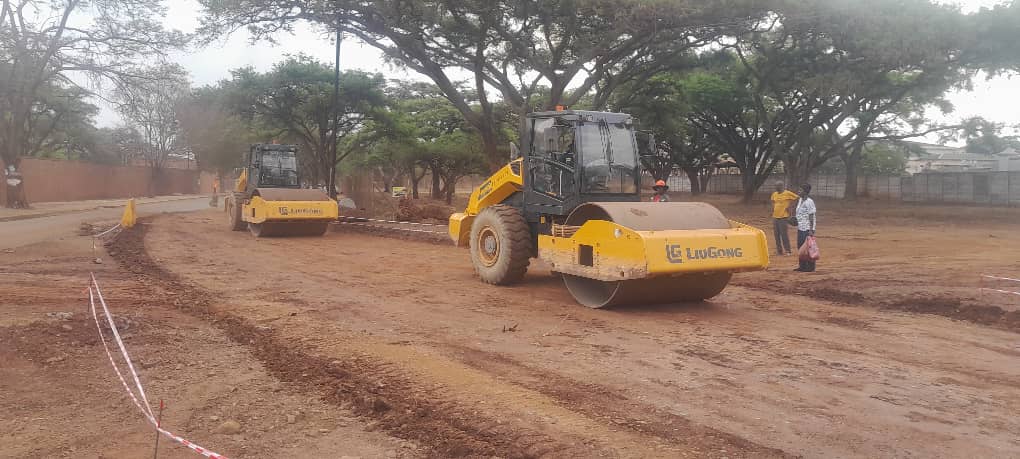
This Monday, the ZBC News also visited some of the places where road rehabilitation is underway, including the Mabvuku Traffic Mini-Interchange and Lorraine Drive in Westgate, Harare.
“The roads used to be in a very bad state, full of potholes and difficult to navigate, especially during the rainy season. It affected travel time, vehicle maintenance costs, and even business operations. But now, we are happy that the government is taking action to improve them,” a resident said.
“The rehabilitation work has made roads smoother, safer, and more reliable, which is a huge relief for both motorists and public transport users. We hope this progress continues across the country,” a motorist said.
“What the government is doing is commendable because roads are now accessible and we are happy with these developments,” a driver said.
Beyond the capital, work is underway on strategic corridors like Beitbridge-Harare, Harare-Kanyemba, and Bulawayo-Victoria Falls, aimed at enhancing regional trade and movement.
Rural and feeder roads like Nhekairo-Chigondo in Hwedza, Golden Valley-Sanyati in Mash West, and Nyabadza-Makoni in Manicaland are also being rehabilitated, linking communities and stimulating local economies.
Transport operators are also excited by the developments.
“As transporters, we are experiencing reduced vehicle maintenance costs, fewer road traffic accidents due to less driver fatigue, and shorter travel times. Additionally, there are enhanced business opportunities due to improved connectivity. Our business is to transport people from one area to another, and these developments are making that easier and more efficient,” CAG Buses Operations Manager, Mrs Afra Nhanhanga Chinhamo said.
With visible progress already transforming both urban and rural roads, the government says it remains committed to delivering quality infrastructure that supports economic growth, regional trade and community development.
According to the Ministry of Transport and Infrastructural Development, the Harare-Kanyemba Road project will be completed by February 2029, while the Bulawayo-Victoria Falls roads shall be completed by June 2026.
The Mabvuku Interchange, which is part of the four such projects, will have the first phase completed in July 2026 and phase two in October 2026.

