



Story by Wellington Makonese
GOVERNMENT is promoting the adoption of rhizobia inoculant technology among smallholder farmers as part of efforts to increase legume production, lower fertiliser costs and strengthen national food security.
Agricultural experts say the climate-smart innovation can significantly improve crop yields while enhancing soil fertility, making it particularly beneficial for small-scale farmers facing rising input costs.
Research shows that legumes treated with rhizobia inoculant can fix between 70 and 200 kilograms of nitrogen per hectare, reducing the need for chemical fertilisers while improving soil health for subsequent crops.
According to the Agricultural and Rural Development Advisory Services, the technology has the potential to double or even triple yields for crops such as sugar beans.
Chief Research Officer, Grace Kanonge, said the innovation could significantly improve productivity for farmers currently relying on conventional fertiliser applications.
“Farmers have been producing sugar beans and recording around one tonne per hectare using basal fertiliser. With the uptake of rhizobia inoculant technology, yields can increase to between two and three tonnes per hectare. The crop is able to fix its own nitrogen, meaning farmers spend less on fertiliser, as the inoculant only requires about four sachets per hectare.”
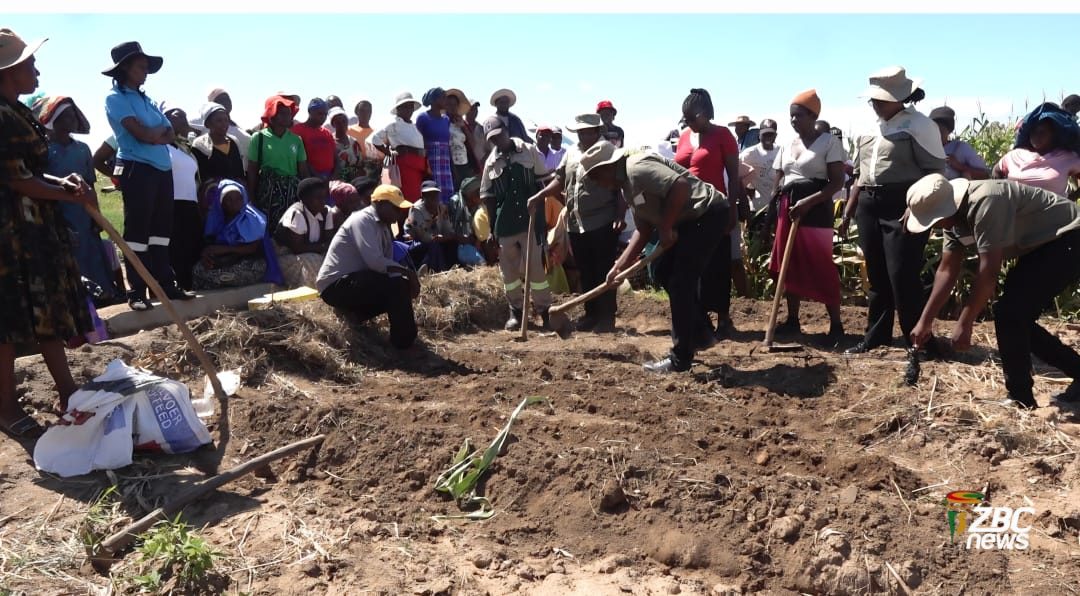
Training programmes are already underway in several parts of the country to familiarise farmers with the technology.
Chief Director for Research and Specialist Services in the Ministry of Lands, Agriculture, Fisheries, Water and Rural Development, Dumisani Kutywayo, said extension officers are introducing the innovation to both irrigation and rain-fed farming communities.
“We are promoting the use of rhizobia among small-scale farmers to increase productivity while reducing input costs. So far, we have conducted training sessions in Chimanimani and Chipinge districts, and the uptake has been encouraging, especially among farmers with irrigation facilities.”
Farmers who have already experimented with the technology say it has improved crop performance and profitability.
“I have used it before, and my yield improved significantly. It also enhances soil fertility. We combine this with proper fertiliser management, we can achieve even better yields,” farmers added.
Agricultural authorities believe wider adoption of rhizobia inoculant technology could play a key role in improving national legume production while strengthening household food security.

