



Story by Abigirl Tembo, Health Editor
ZIMBABWE has reaffirmed its commitment to fully implementing the World Health Organisation Framework Convention on Tobacco Control (WHO FCTC), emphasising the need to balance public health objectives with the socio-economic realities of developing countries.
The Eleventh Session of the Conference of the Parties (COP11) to the WHO FCTC is currently underway in Geneva, Switzerland, where member states are reviewing progress and strengthening global policies aimed at reducing tobacco use, one of the leading causes of preventable non-communicable diseases.
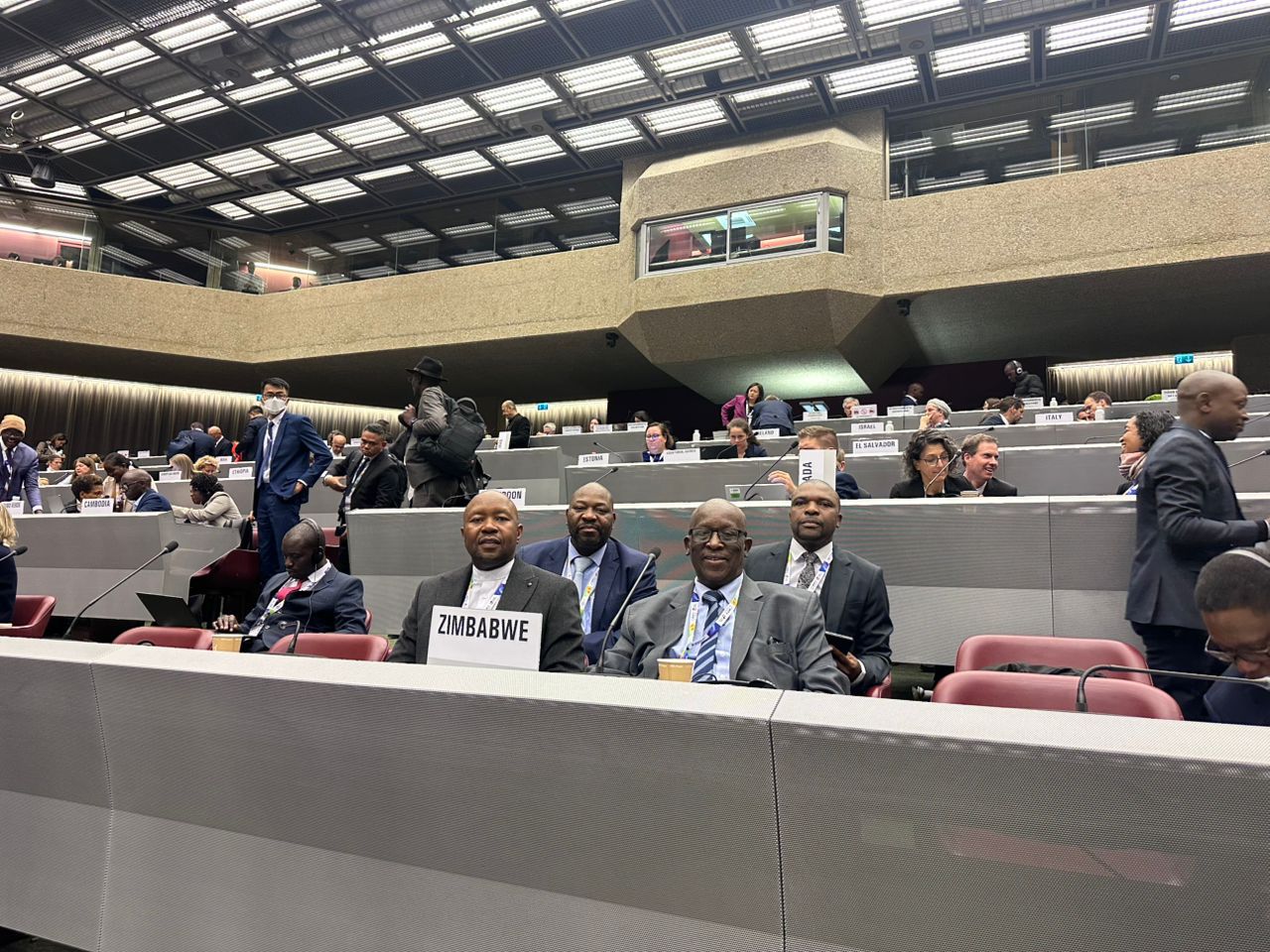
Delivering Zimbabwe’s statement, Head of Delegation and Deputy Chief Secretary for Policy Analysis, Coordination and Development Planning in the Office of the President and Cabinet, Dr Willard Manungo, said the country remained aligned with global aspirations for a tobacco-free future, while safeguarding the livelihoods of thousands of smallholder farmers who depend on tobacco production.
“Zimbabwe reaffirms its commitment to the effective implementation of the WHO Framework Convention on Tobacco Control. Zimbabwe has strengthened regulatory and public health measures, intensified sustainability actions, and taken deliberate steps to ensure responsible production and consumption practices aligned with our FCTC obligations. We note that the Global Progress Report, the findings highlights the complexities faced by many developing economies navigating the transition to alternative livelihoods. In Zimbabwe, tobacco cultivation remains an important pillar of incomes and employment for smallholder farmers, over and above contributions to overall economic and social development.”
Dr Manungo also outlined Zimbabwe’s progress in enforcing public health protections, including a ban on smoking in public places, designated smoking zones to reduce second-hand smoke exposure, and strict prohibition of tobacco sales to persons under 18.
“Zimbabwe enforces prohibition on smoking in public places, particularly in areas frequented by children and young people, to reduce exposure to second-hand smoke. We have also implemented designated smoking zones to limit public smoking and reduce associated health risks. Furthermore, the country maintains a strict policy of no sale of tobacco products to persons under the age of 18, reinforcing our commitment to preventing early initiation of tobacco use among the youth.”
In line with the COP11 theme: “Healthy planet, healthy future: uniting for a tobacco-free generation”, Zimbabwe is also scaling up efforts to address the environmental impact of tobacco production.
Dr Manungo outlined the country’s expanding reforestation programme, funded through the tobacco levy, which has already restored 26 244 hectares of forest.
Zimbabwe aims to add a further 9 400 hectares in 2026 under its Environmental, Social and Governance (ESG) framework for responsible tobacco production.
Dr Manungo is accompanied by Deputy Head of Delegation and Permanent Secretary for Health and Child Care, Dr Aspect Maunganidze, who is also reinforcing Zimbabwe’s public health position during the discussions.

